Meaning
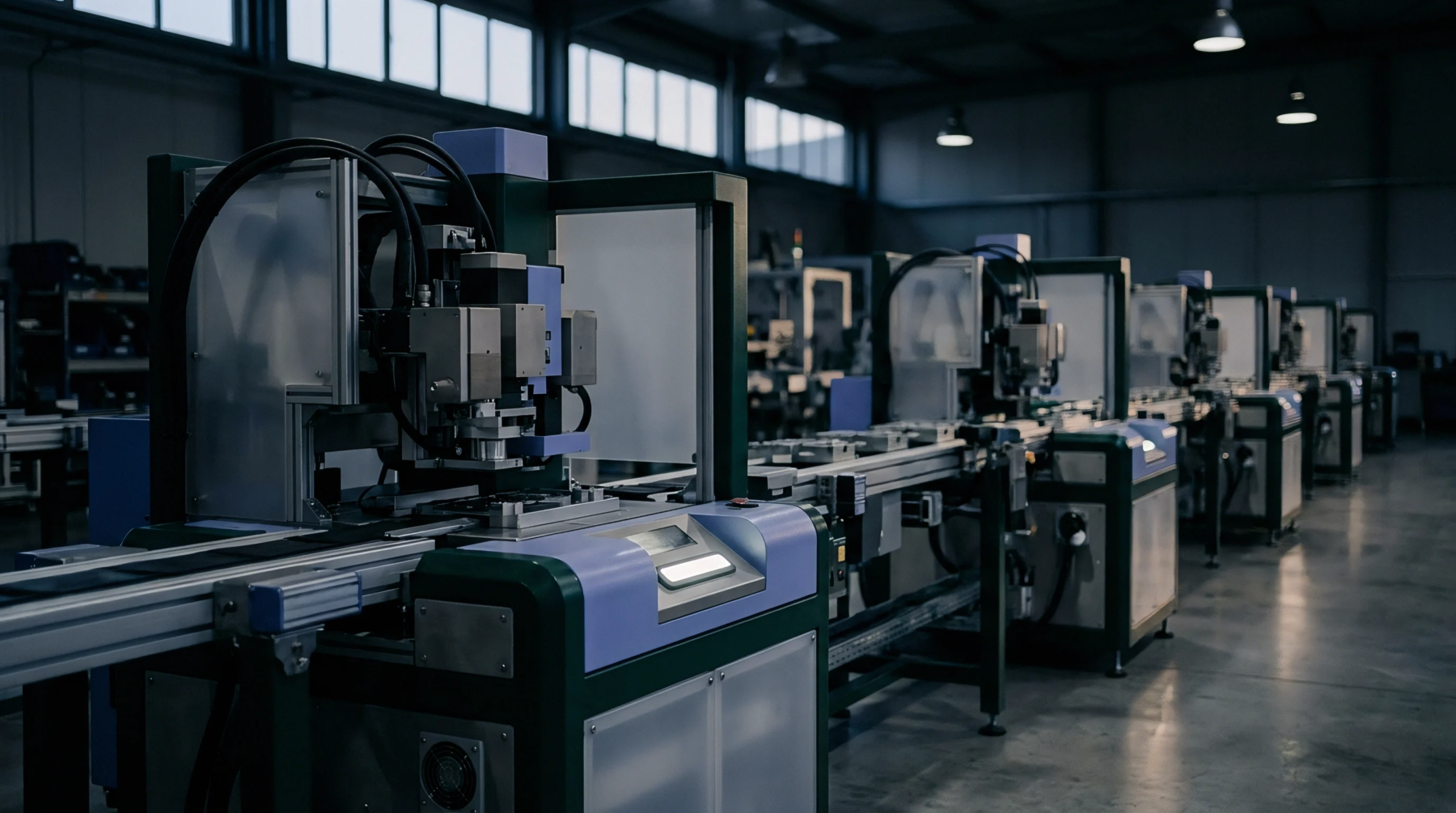
Industrial engineering methodology used to distribute tasks evenly across the workstations of an assembly line to optimize efficiency and minimize idle time. Implementing production line balancing ensures that the cycle time at each workstation is close to the takt time of the overall system. It prevents bottlenecks, reduces work-in-progress inventory, and maximizes the utilization of labor and equipment.
Takt Alignment
Matching workstation cycle times to the rate of customer demand prevents both overproduction and supply shortages. If one station takes longer than the calculated takt time, it becomes a bottleneck that dictates the throughput of the entire line. Engineers must restructure tasks or redistribute tools to bring the slow station into alignment with the demand rate.
Task Reallocation
The process of splitting or combining operations requires a deep understanding of task dependencies and worker movements. In a pilot phase, engineers analyze movements and tool requirements to optimize the workflow before scaling up production. This planning minimizes the risk of worker fatigue and maintains a consistent output rate when high-volume assembly begins.
Throughput Optimization
Balancing a line increases its demonstrated capacity without requiring additional capital expenditure. It eliminates idle time where workers wait for materials from upstream stations. This efficiency is directly linked to lower unit manufacturing costs.