Meaning
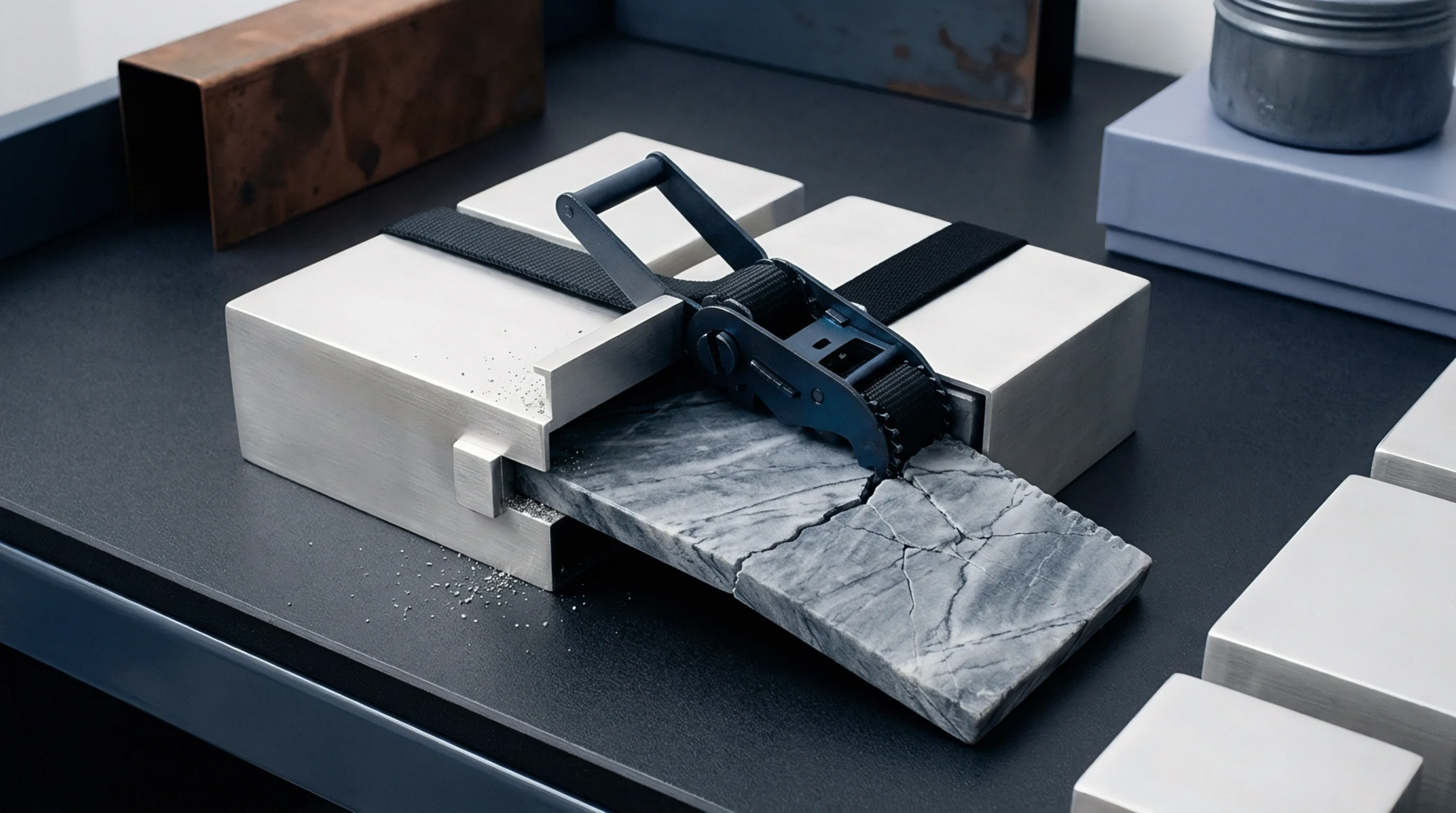
Unexpected equipment breakdowns interrupt production lines and increase the cost of manufacturing operations. An occurrence of premature tool failure refers to a scenario where a cutting tool or die degrades before reaching its expected service life. Such failures often result from incorrect operating parameters or material defects.
Operational Disruption
Unplanned downtime reduces the overall throughput of a manufacturing facility and delays product shipments. When premature tool failure happens, the assembly line must be halted to replace the damaged component. The cost of replacing the tool is often minor compared to the financial losses incurred during the production halt.
Root Analysis
Identifying the causes of tool degradation helps engineers optimize manufacturing parameters. When analyzing premature tool failure, technicians examine the fracture surfaces under a microscope. The examination reveals whether the failure was caused by mechanical overload or thermal fatigue.
Preventive Strategy
Implementing scheduled maintenance and tool wear monitoring can mitigate the risk of sudden equipment failure. To prevent premature tool failure, operators adjust spindle speeds, feed rates, and coolant flow to match the material being processed. Using advanced coatings can also enhance the resistance of the tool to heat and friction.
Regular calibration of the machinery ensures that operating stresses remain within safe limits.