Meaning
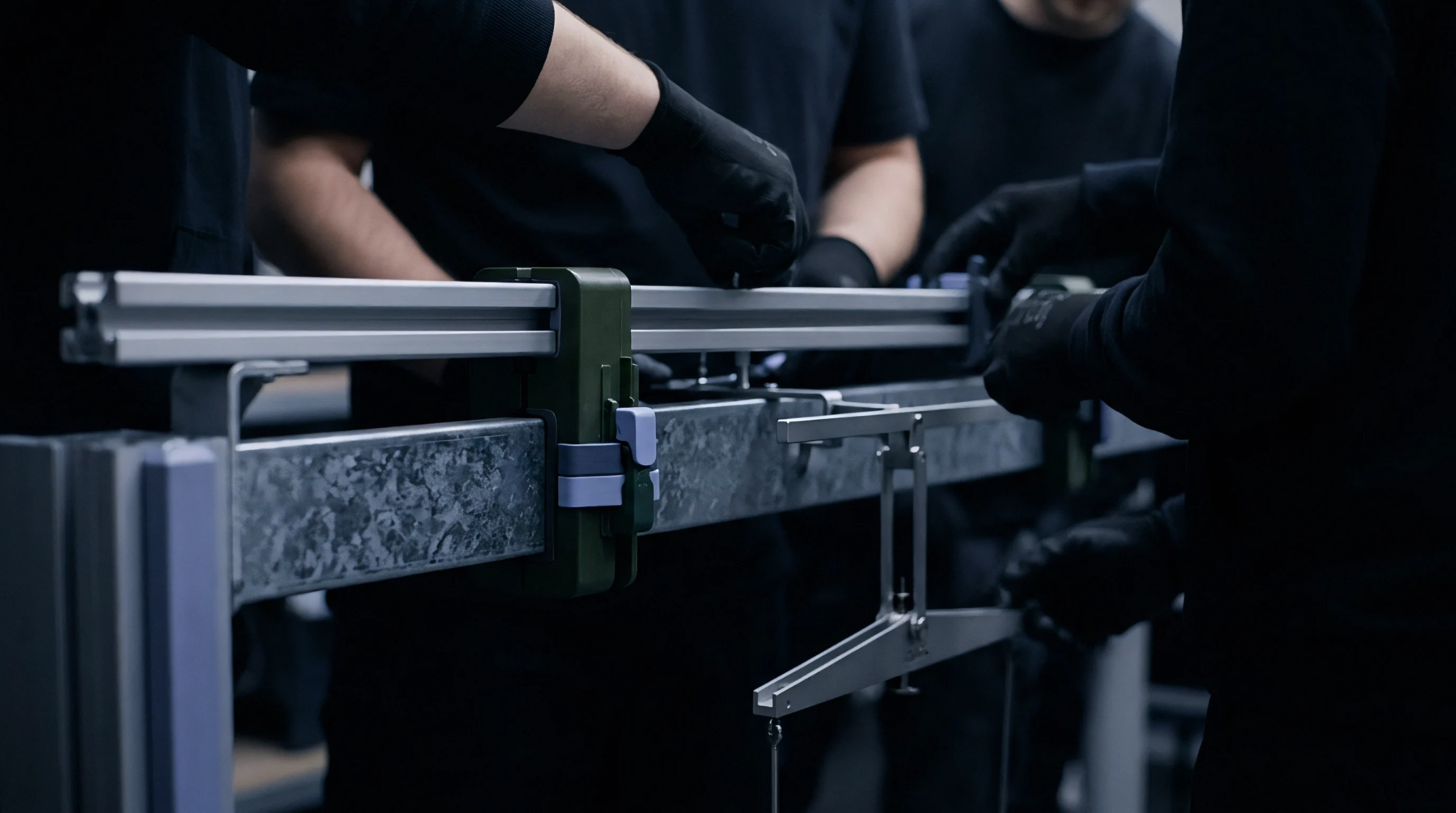
The removal of temporary positioning aids represents a necessary step in the permanent anchoring of heavy machinery. Workers perform levelling wedge extraction to ensure that the heavy load of the machine baseplate is supported uniformly by the cured grout layer rather than resting on isolated metal points. This process prevents the formation of high-stress concentration zones that could crack the foundation or distort the machine frame during operation.
Removing these metal wedges allows the grout to perform its intended structural role.
Load Transfer
Allowing a machine to rest permanently on steel wedges can lead to localized distortion of the equipment frame. Before levelling wedge extraction, the machine is aligned using adjustable wedges, but once the grout cures, these wedges must be removed. This ensures the weight is distributed evenly across the entire surface of the foundation.
Extraction Method
Backing out the adjustable bolts or tapping the steel shims loose requires precision to avoid damaging the freshly cured grout. For successful levelling wedge extraction, technicians loosen the tension on the foundation bolts before attempting to dislodge the wedges. Once the wedges are out, the resulting voids are filled with non-shrink grout to complete the support surface.
Grouting Integrity
Premature wedge removal before the grout has reached its required compressive strength can cause the machine to sink and lose its alignment. In typical levelling wedge extraction protocols, compression testing of grout cubes is completed to confirm that the material can support the static weight of the equipment. If the grout is still soft, the weight of the machine will compress it, leading to misalignment that is very difficult to correct once the material hardens.
Waiting for the verified strength test is the only reliable way to prevent this error.