Meaning
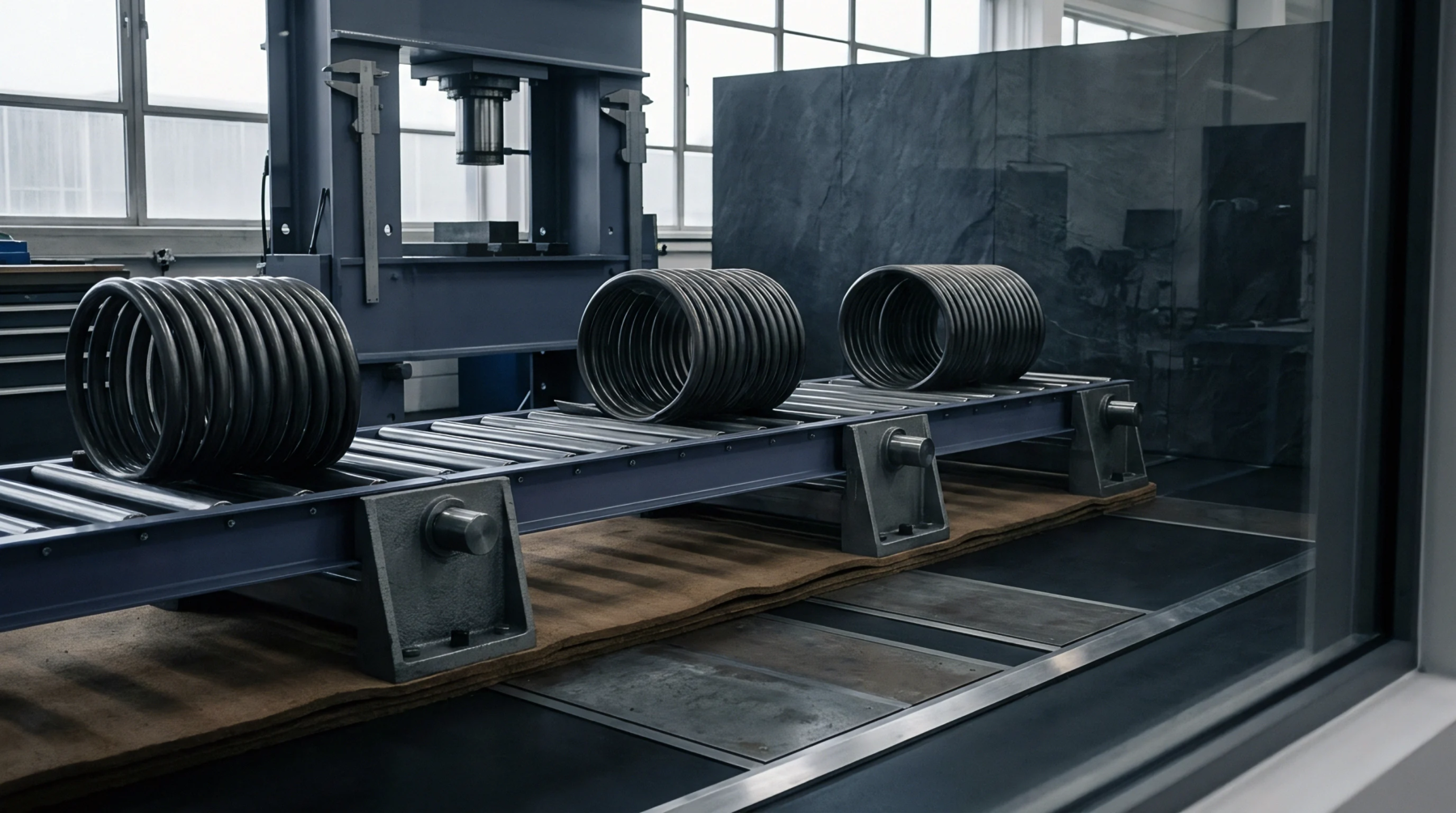
Material handling systems utilize temporary inline buffer zones to absorb operational speed differentials between upstream and downstream manufacturing stations. Automated production lines implement conveyor accumulation to prevent complete system shutdowns during brief equipment stoppages. Zero-pressure designs disengage drive rollers beneath held workpieces to eliminate inter-part contact force.
Operational readiness audits verify line clearing times across varied part sizes and weights before full production release. Initializing line speed targets without verifying buffer response times causes physical product damage and downstream starvation.
Line Throughput
Manufacturing balance depends on maintaining consistent unit flow through unequal station cycle times. Operating a conveyor accumulation section allows upstream equipment to continue cycling during downstream tool changes or minor clearing events. System throughput remains stable when temporary line stoppages fall within defined buffer duration windows.
Measuring recovery rates following planned line pauses confirms line balancing performance.
Pressure Control
Mechanical drive mechanisms exert varying degrees of forward force on queued product units during staging events. Advanced conveyor accumulation uses zero-pressure sensor zones to stop drive belts directly beneath individual carriers. Lower friction rollers prevent part deformation and surface scratching on delicate components.
Maintenance protocols audit clutch tension and sensor alignment to guarantee zero-pressure functionality across full shift runs.
Capacity Buffer
Staging zones require specific physical footprint allocation to accommodate peak production surge volumes. Linear footprint limits set the maximum duration an upstream process can run while downstream operations remain halted.