Meaning
A material property defines how the yield strength and flow stress of a metal change in response to the speed of deformation. In electronics assembly, understanding strain rate sensitivity is necessary because solder alloys behave differently under slow thermal expansion than under rapid mechanical impact. This sensitivity dictates how joints respond to drop tests and transport vibrations.
Strain Response
Solder alloys show higher yield strength when deformed rapidly compared to when they are stretched slowly. Under high-speed deformation, the alloy resists flowing, which forces the stress to build up quickly. This behavior can transfer high forces to the brittle boundaries of the joint.
Mechanical Testing
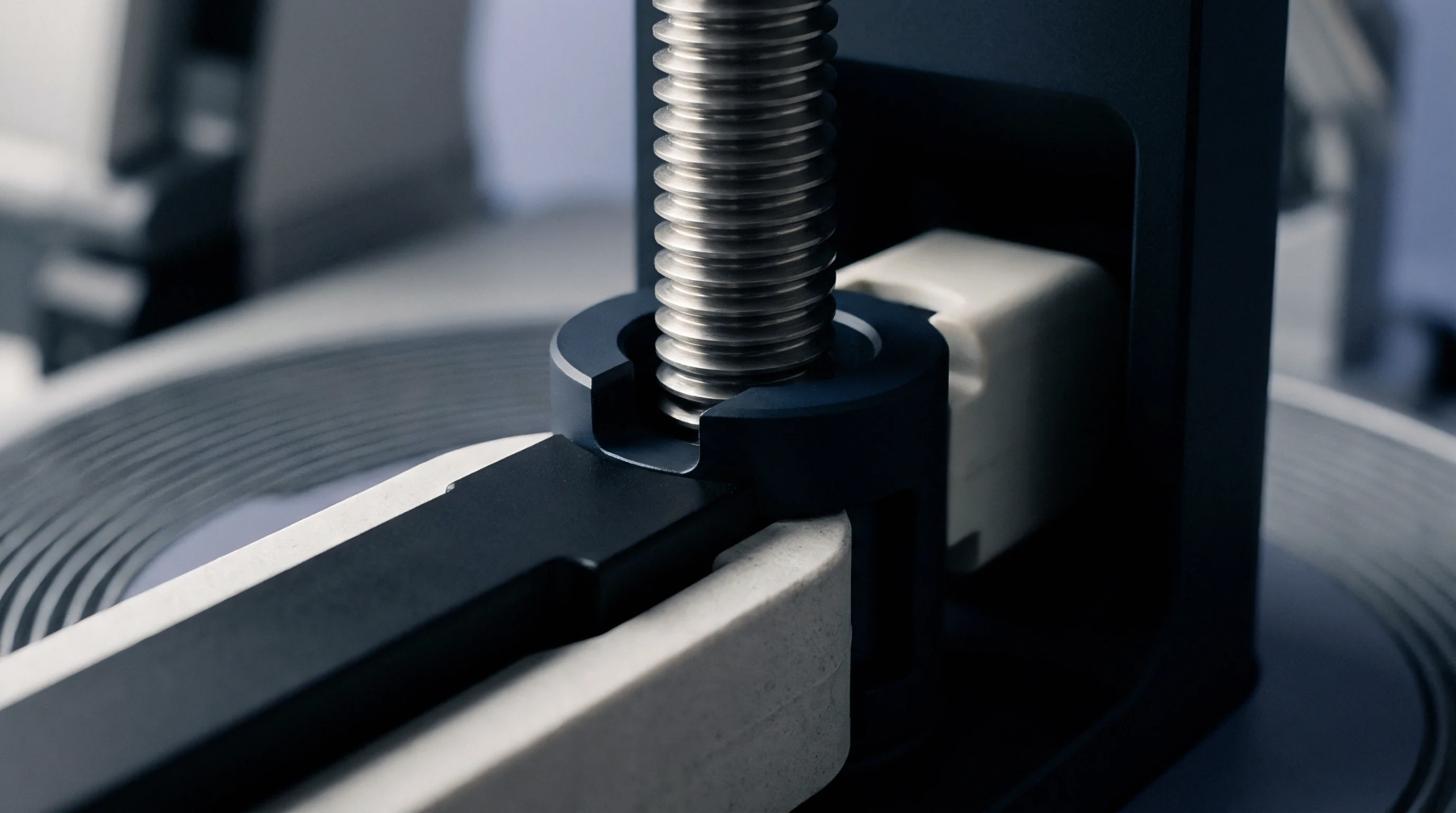
Characterizing this property requires tensile or shear tests performed at multiple crosshead speeds. These tests measure how the material responds to speeds ranging from slow thermal cycles to fast drops. The collected data is used to calibrate numerical models for fatigue and impact simulations.
Assembly Failure
High strain rates during handling can cause the solder joint to crack along the brittle intermetallic boundary rather than deforming plastically. This brittle fracture is a common failure mode when boards are flexed during routing or connector assembly. Designing solder joints to tolerate these high rates of strain improves product survival.