
Viscous Heat Dissipation Modeling in High Velocity Polymer Die Flow
High-velocity die flow modeling demands coupled non-isothermal viscosity functions to prevent thermal degradation and melt fracture from shear heating.
High-velocity die flow modeling demands coupled non-isothermal viscosity functions to prevent thermal degradation and melt fracture from shear heating.

Coupled thermo-rheological modeling prevents costly mold steel rework by capturing shear heating, dynamic cavity deflection, and transient cooling simultaneously.

Predictive thermal modeling prevents progressive die clearance loss by mapping punch heat expansion and guiding conformal cooling design at high stroke rates.

Thin wall injection velocity must balance viscous dissipation heat spikes against gate clearance geometry to prevent local polymer backbone degradation.

Non-isothermal viscous dissipation drives core melt temperature spikes that cause extrudate defects if die land geometry is not scaled to shear rates.
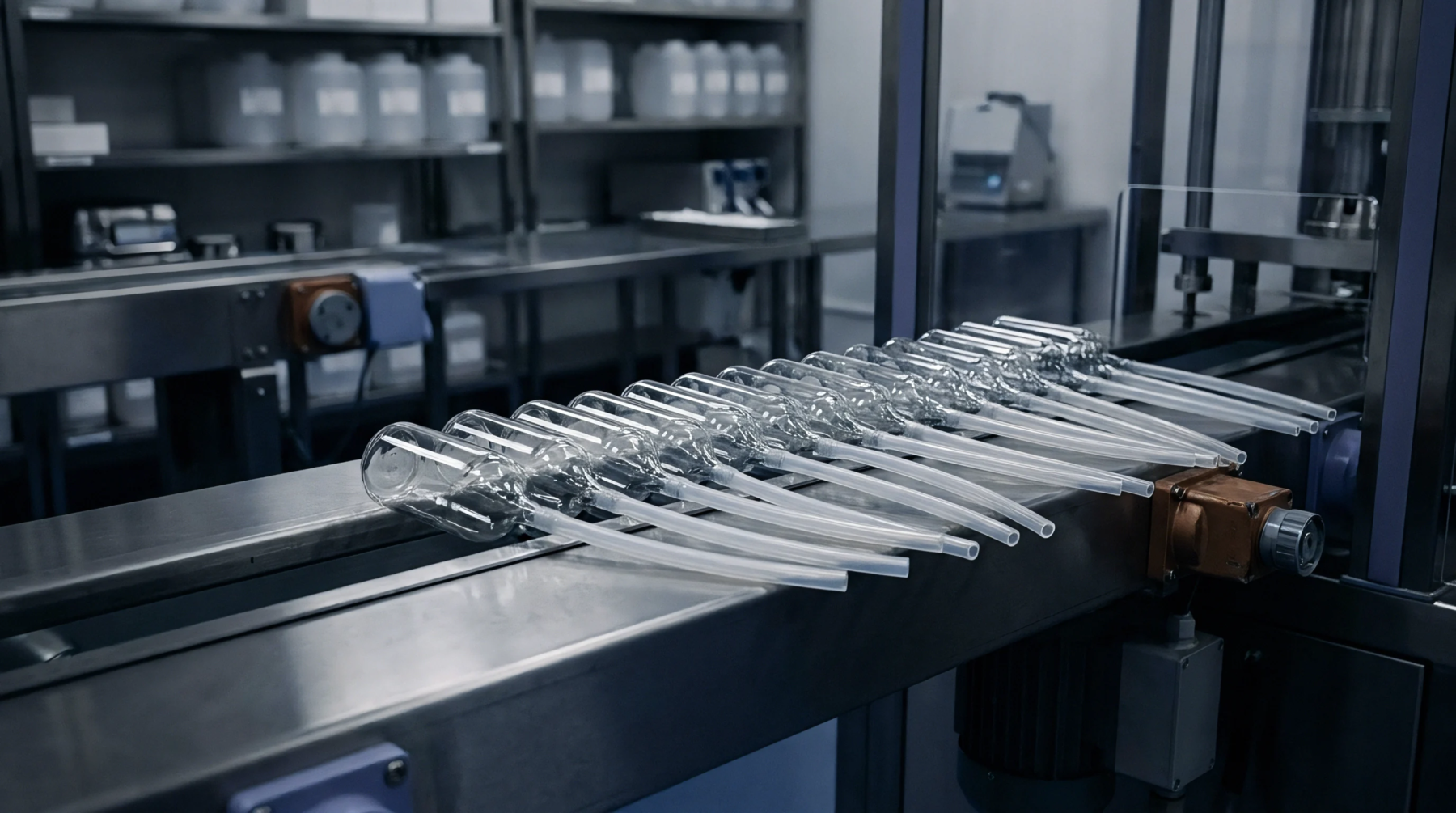
High throughput molding requires balancing injection velocity against viscous dissipation to prevent polymer chain scission and wall slip defects.
Expertise is a utility, not a secret. sentiention™ publishes its working knowledge as open reference: intelligence layer covering the materials it sources, the markets it enters, and the reference that serves both.