Meaning
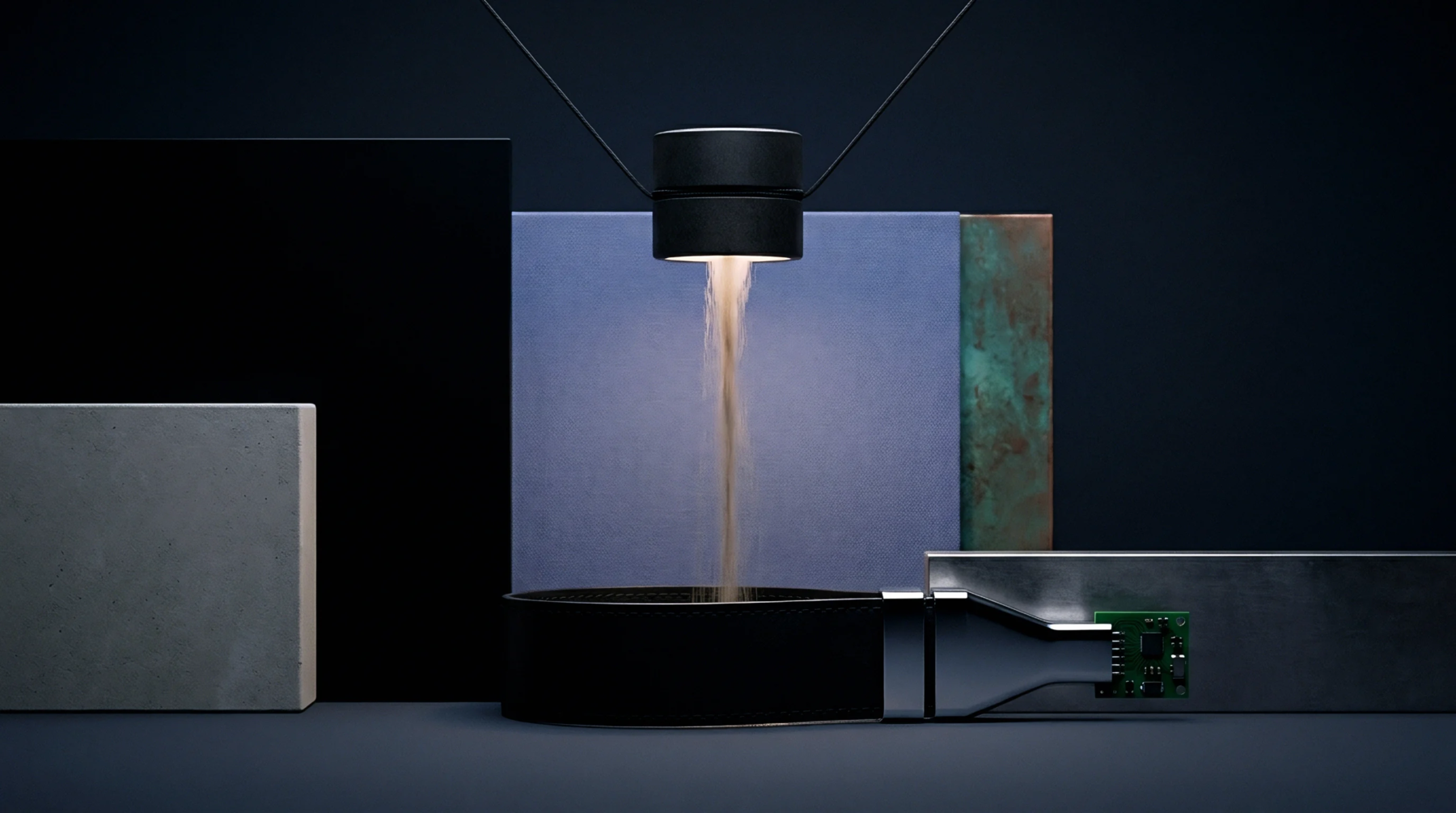
Memory structures optimize the continuous storage and retrieval of streaming data in embedded systems. In digital manufacturing, a ring buffer is a fixed-size data queue that wraps around to overwrite the oldest data once the array is full. This design allows real-time telemetry from CNC machines or robotic arms to be stored efficiently without requiring constant memory reallocation.
Buffer Management
Maintaining a continuous stream of sensor data prevents gaps in historical records used for predictive maintenance. Within the controller’s firmware, a ring buffer uses head and tail pointers to track where new data is written and where old data is read. This mechanism ensures that the newest alerts are saved even when the memory limit is reached.
Data Overflow
Mismatching the writing speed with the reading speed can result in data loss if the buffer fills up before it is processed. When a ring buffer is used in high-speed assembly line cameras, a slower processor may fail to read images before the writing pointer overwrites them. This overflow condition can cause the system to miss critical defect alerts during high-rate production, which can lead to bad parts shipping to customers.
Optimization Benefit
Using a fixed memory allocation avoids the fragmentation issues that plague dynamic memory allocation in long-running systems. It guarantees predictable memory consumption on industrial edge devices.