Meaning
Plastics manufacturing relies on the mechanical and thermal processing of raw polymer resins into functional end-use goods. Standard polyolefin converting processes transform polyethylene or polypropylene pellets into sheets, films, or molded components through extrusion and molding. The process is used in packaging, automotive assembly, and medical device manufacturing.
The boundary of the term excludes raw resin synthesis and focuses solely on secondary shaping operations.
Thermal Processing
Raw polymers must be heated to precise, monitored temperatures to achieve the required melt flow index and viscosity for shaping without degrading the material. During polyolefin converting, temperature control across multiple heating zones in the extruder barrel determines the tensile strength, elasticity, and clarity of the output. If the temperature is too low, the resin will not flow evenly, creating surface imperfections and structural defects in the product.
Overheating can break the polymer chains, resulting in reduced impact strength and unpleasant odors in the finished packaging material. Operators use automated feedback loops to adjust heater bands and prevent thermal drift during long production runs.
Downstream Shaping
The molten plastic is forced through dies or into molds to create the desired geometry. In polyolefin converting, this stage includes processes such as blown film extrusion, thermoforming, or blow molding. Fast cooling is required to lock in the polymer’s crystalline structure and ensure dimensional stability.
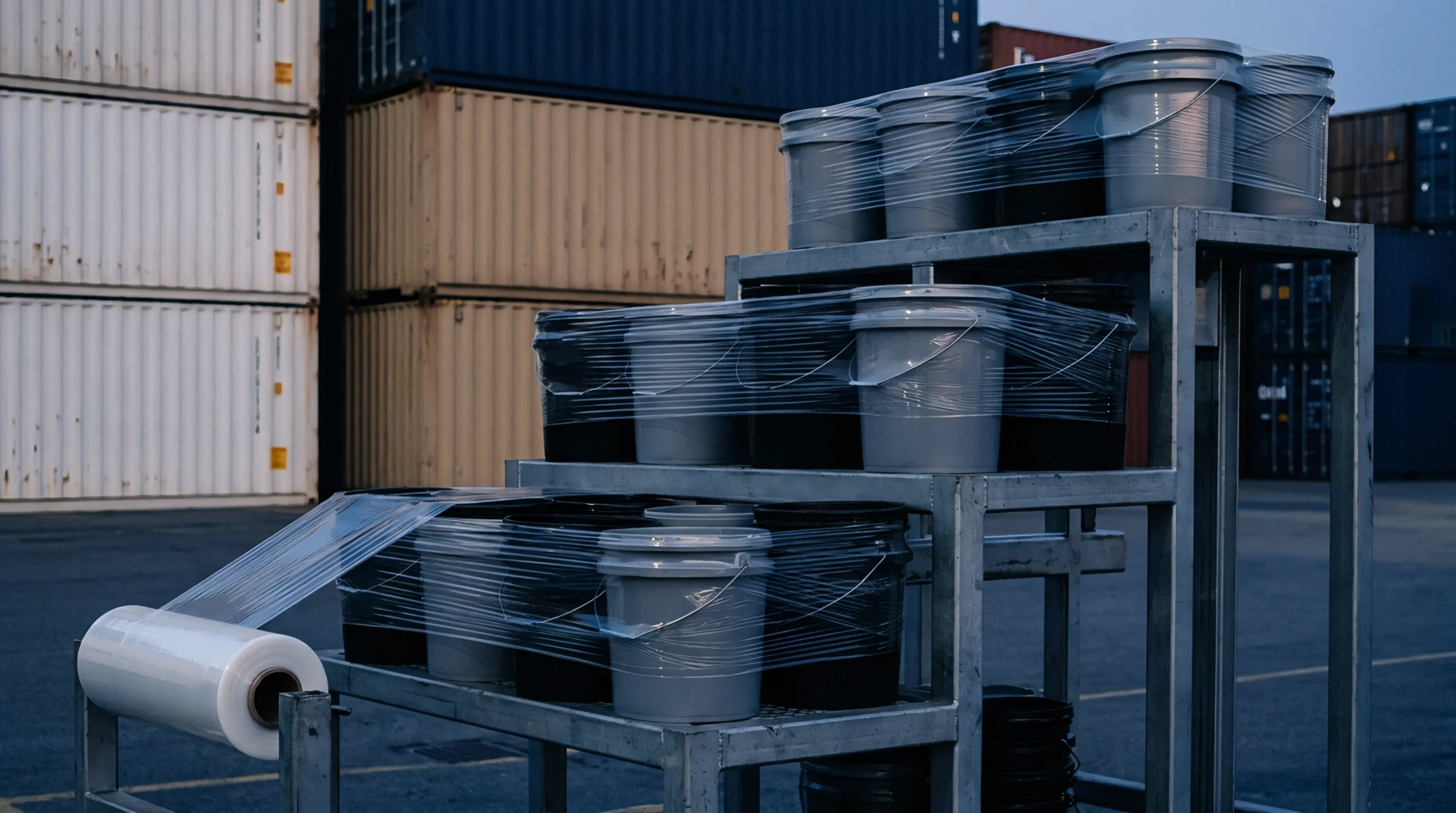
The resulting sheets or containers are then wound or stacked for shipment.
Quality Control
Final products must undergo testing to verify thickness uniformity, tensile strength, and impact resistance. When polyolefin converting is carried out at high volumes, continuous monitoring systems scan the material for thin spots or holes. Scrap generated during these runs is typically reground and recycled back into the extruder.
Consistent material feed prevents variations in output quality.