Meaning
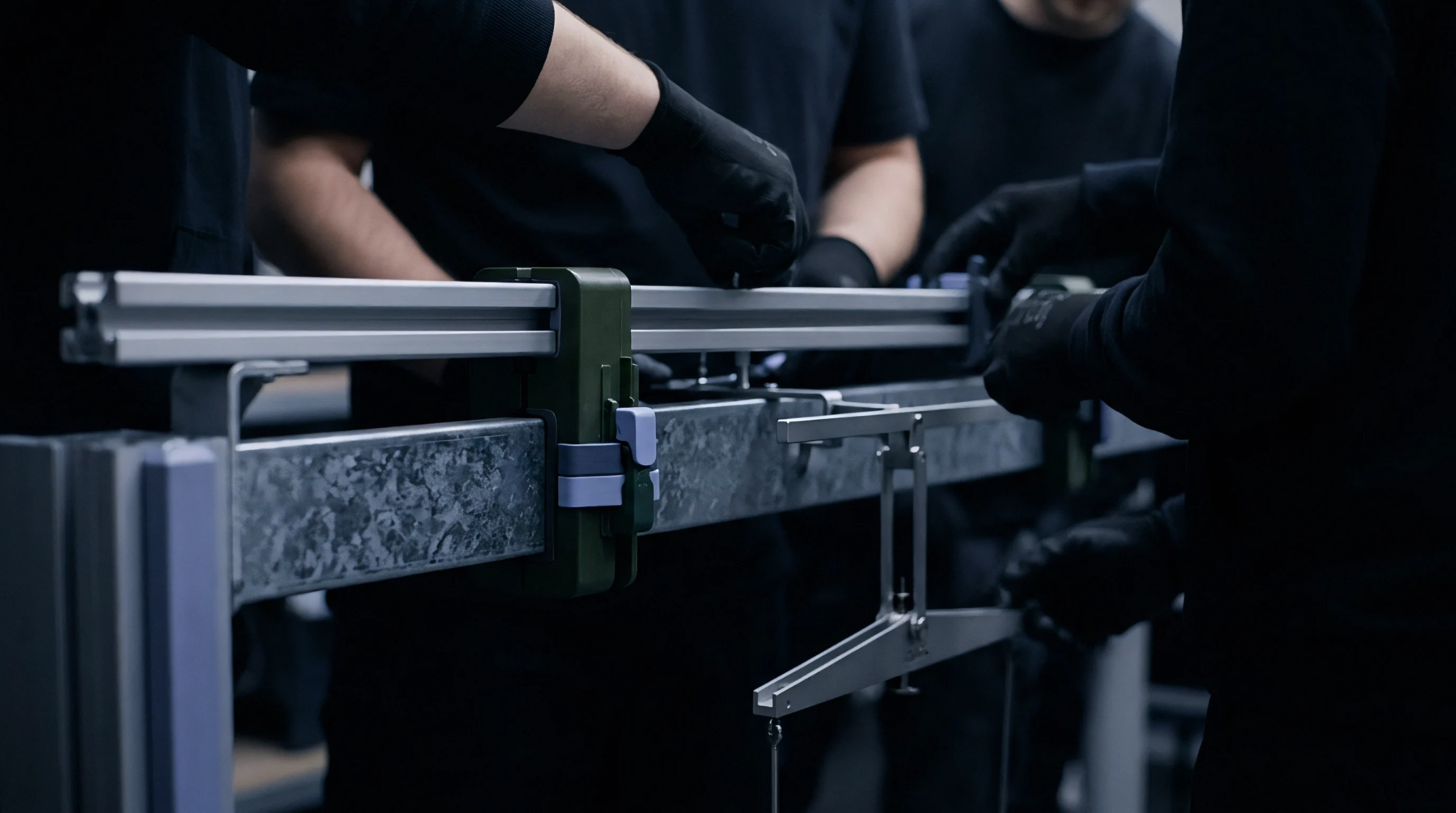
Hydraulic cementitious material undergoes controlled expansion during the plastic stage to offset natural settlement and ensures complete contact within the interstitial voids of mechanical or structural assemblies. The hardening of non-shrink grout creates a stable load-bearing interface between a base plate and the foundation slab. Practitioners verify the performance of this mixture through ASTM C1107 tests which define the volumetric stability requirements for varying temperatures and curing durations.
This chemical composition remains stable under heavy static loads because the internal pressure generated during the curing phase prevents the formation of air pockets or gaps beneath heavy equipment. A failure to achieve positive expansion during the fluid phase results in poor contact area and potential long-term fatigue under vibration.
Volumetric Stability
The primary function involves the counteraction of bleeding and settlement that otherwise occur in standard mortar formulations. By incorporating metallic aggregates or chemical gas-generating agents, non-shrink grout compensates for the moisture loss that accompanies chemical hydration. Factory testing protocols measure this dimensional change against rigid standard specifications to guarantee that the final volume equals or exceeds the initial volume measured at the time of mixing.
Operators monitor the hydration rate since excessive ambient heat speeds up the reaction and changes the timing of the expansion window. Consistent monitoring protects the bearing surfaces from microscopic separations that would reduce the effective transfer area. Accurate batching prevents the common error of adding too much water, which degrades the physical properties and leads to excessive shrinkage during the hardening cycle.
Installation Parameters
Effective placement requires a dry-pack or fluid consistency depending on the clearances and the complexity of the geometry involved. Workers must prepare the substrate by removing all oil, grease and loose dust to ensure a strong bond between the grout and the concrete surface. Proper formwork construction holds the material in place until it reaches the initial set stage.
Air relief holes prevent pressure buildup that could otherwise trap pockets of air inside the confined space under the machine base. The temperature of the materials dictates the workability window since cold conditions retard the chemical reaction and hot conditions induce rapid setting times that complicate finishing work. Proper placement eliminates the risk of internal voids which would otherwise undermine the structural integrity of the entire machinery support assembly.
Material Performance
The compressive strength of these formulations eventually exceeds the strength of the surrounding substrate concrete. Load requirements determine the specific selection of the aggregate base, where iron-filled mixtures provide superior resistance to shock and repetitive impact compared to standard mineral-based grout blends. Long-term durability depends on the maintenance of a moisture-rich curing environment for the initial seventy two hours.
This chemical maturation process ensures that the internal crystalline structure develops fully to reach the specified mechanical capacity. A correctly installed grout bed provides a continuous support plane that transfers all operational stresses directly into the foundation.