Meaning
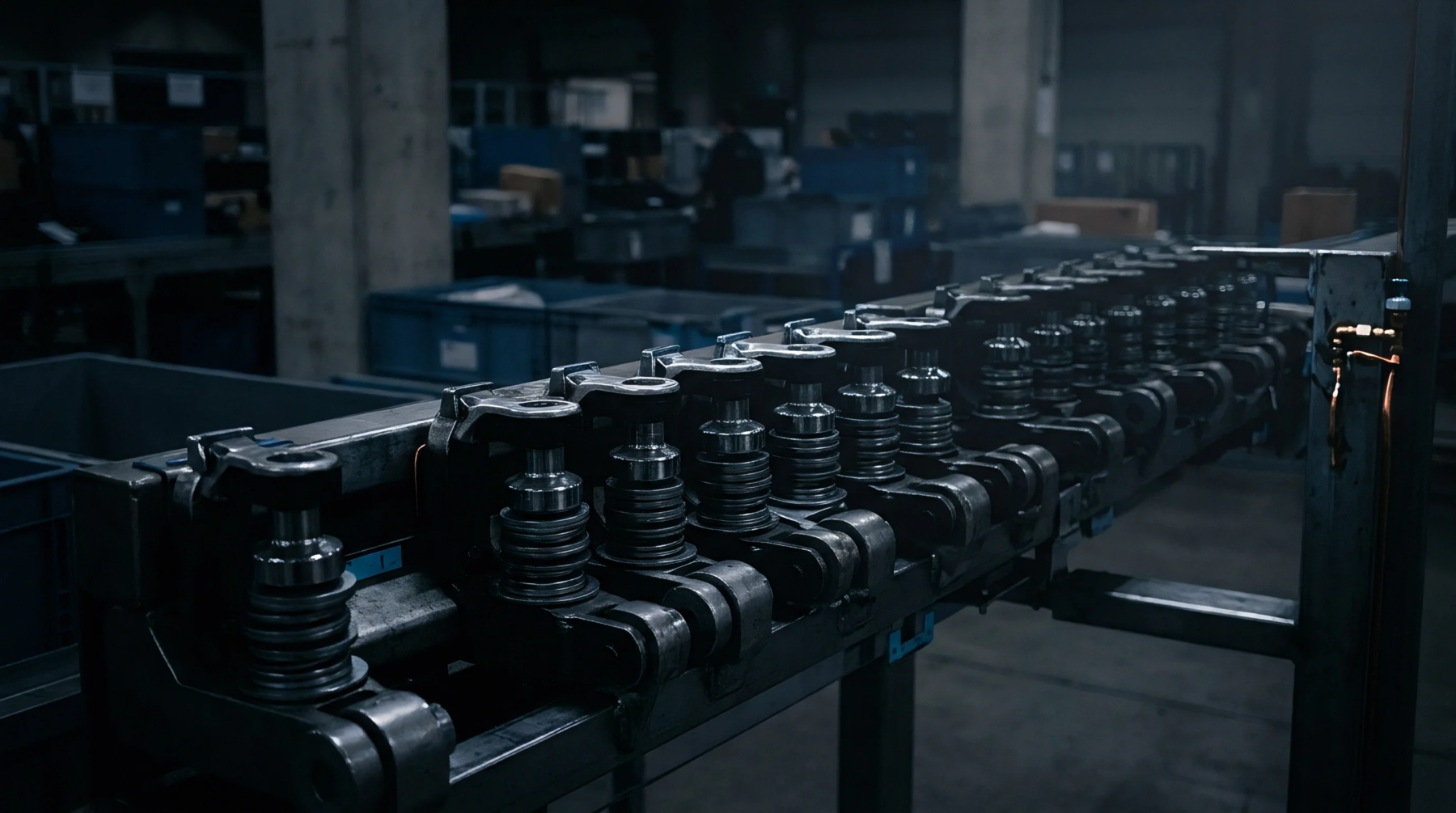
Unavoidable mechanical deviations exist within any manufacturing equipment even when it operates under optimal conditions and perfect calibration. This phenomenon, known as intrinsic machine variance, arises from minute differences in component wear, thermal expansion, and electrical noise. It defines the baseline precision limit of the asset and cannot be eliminated by operator skill.
It stops being the primary source of error when external factors like raw material inconsistency dominate the process.
Statistical Profile
Normal distribution curves characterize the output measurements taken during steady-state runs. Engineers analyze the standard deviation of these datasets to isolate the system’s natural scatter from assignable causes of variation. This specific baseline of intrinsic machine variance determines the capability index of the production line.
Calibration Protocol
Scheduled adjustments and mechanical tune-ups seek to align the mean output with the nominal target value. However, these procedures do not shrink the spread of the natural scatter. The presence of intrinsic machine variance means that some level of part-to-part variation persists after the most rigorous alignment.
Defect Mitigation
Product designers must establish tolerance limits that accommodate the natural dispersion of the equipment. If the product specifications are narrower than the machine’s capability, scrap rates will rise. Correctly accounting for intrinsic machine variance during the design phase avoids costly re-engineering later.