Meaning
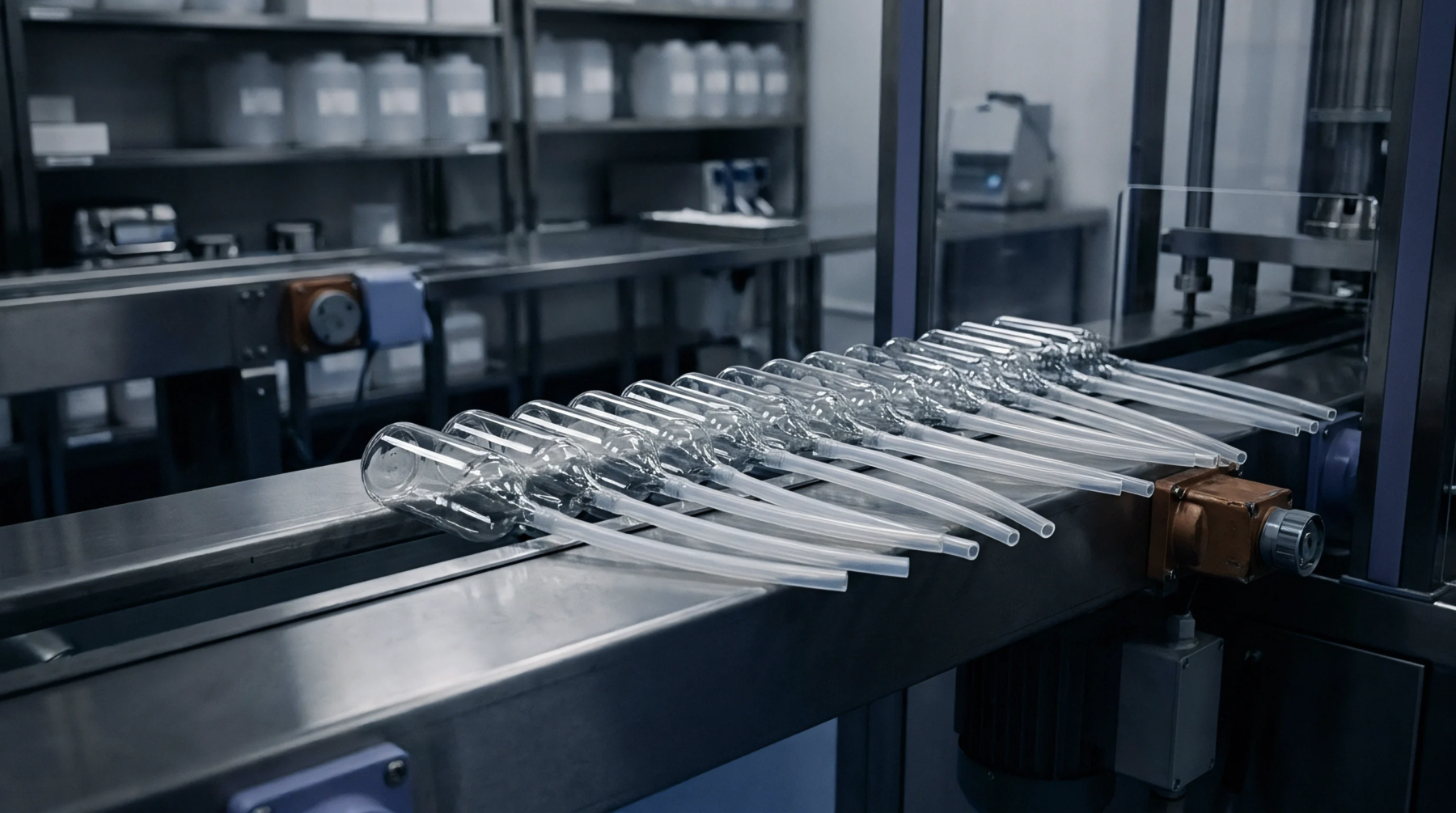
Automated assembly systems often transport workpieces in discrete, measured steps rather than continuous movement. An indexing transfer moves each part a precise distance before stopping it for a specific operation, such as welding or inspection. This incremental action ensures that parts are correctly positioned for automated tooling to execute tasks with high repeatability.
Mechanical Coordination
Rotary dials or linear shuttle bars provide the mechanical force required to advance the carrier plates. When an indexing transfer occurs, the system accelerates, moves the required pitch, and decelerates to a complete stop within a fraction of a second. Servo motors and cam-driven mechanisms control these movements to prevent jerk and avoid displacing fragile components.
Positioning Precision
Precision locating pins engage the fixture once the movement terminates to lock the workpiece into its exact coordinates. This dual-stage holding process allows the indexing transfer to operate with sub-millimeter accuracy under industrial conditions. High-speed assembly operations rely on this rigidity to perform complex multi-axis actions without manual intervention.
Wear in the mechanical linkages must be monitored to prevent drift over long production runs.
Automation Benefit
Factory throughput rises when transport and processing phases are synchronized. The indexing transfer facilitates high-speed execution by keeping parts in a fixed relationship to the robot arm.