Meaning
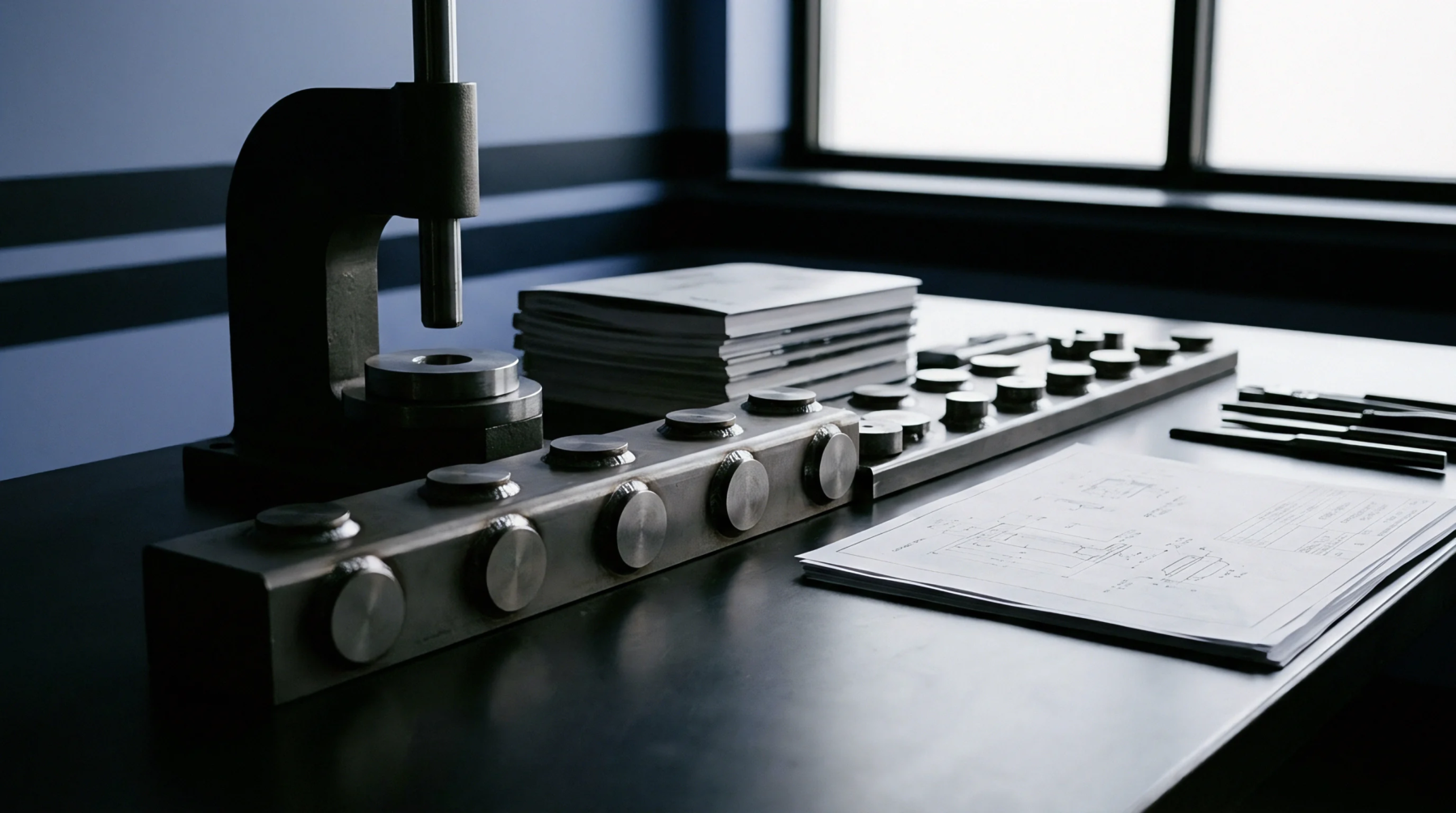
Continuous metal forming involves the operation of automated presses configured to produce intricate parts at high output frequencies. High speed stamping cycles typically range from several hundred to thousands of strokes per minute depending on the material thickness and press architecture. This mechanical arrangement requires precise synchronization between the feed mechanism and the slide stroke to prevent tool damage and ensure dimensional consistency.
Accuracy in this environment rests on the rigidity of the press frame and the suppression of harmonic vibrations that occur at extreme cycle speeds.
Production Capacity
Achieving maximum throughput necessitates a stable supply of coil material and constant monitoring of the lubrication film applied to the strip. High speed stamping maintains a cycle speed that remains far beyond the capability of manual feed systems. Engineers evaluate the total press output by calculating the net yield of conforming parts against the theoretical maximum strokes per minute.
A lower actual yield often indicates tool wear or excessive downtime related to the clearing of scrap metal from the die cavity.
Operational Readiness
Verification of the system depends on the calibration of sensors designed to detect misfeeds or pilot misalignment within the progression. High speed stamping relies on these detection devices to stop the press before a fault propagates across the entire coil. Operators distinguish between the rated speed of the machine and the practical speed permitted by the geometry of the specific component design.
A pilot run validates the cooling efficiency of the die components and identifies the thermal thresholds that dictate the upper limit of the production window.
Resource Allocation
Selection of the appropriate equipment involves comparing the cost of high speed stamping against the investment required for slower hydraulic or toggle presses. Firms choose this method when the total annual volume justifies the higher maintenance costs associated with specialized tooling and sophisticated electronic controls. High performance production setups occupy a narrow economic niche where the savings on labor per unit outweigh the initial capital outlay for specialized automation.
Productivity within this sector depends on the stability of the tool material and the ability of the support infrastructure to maintain the required feed precision.