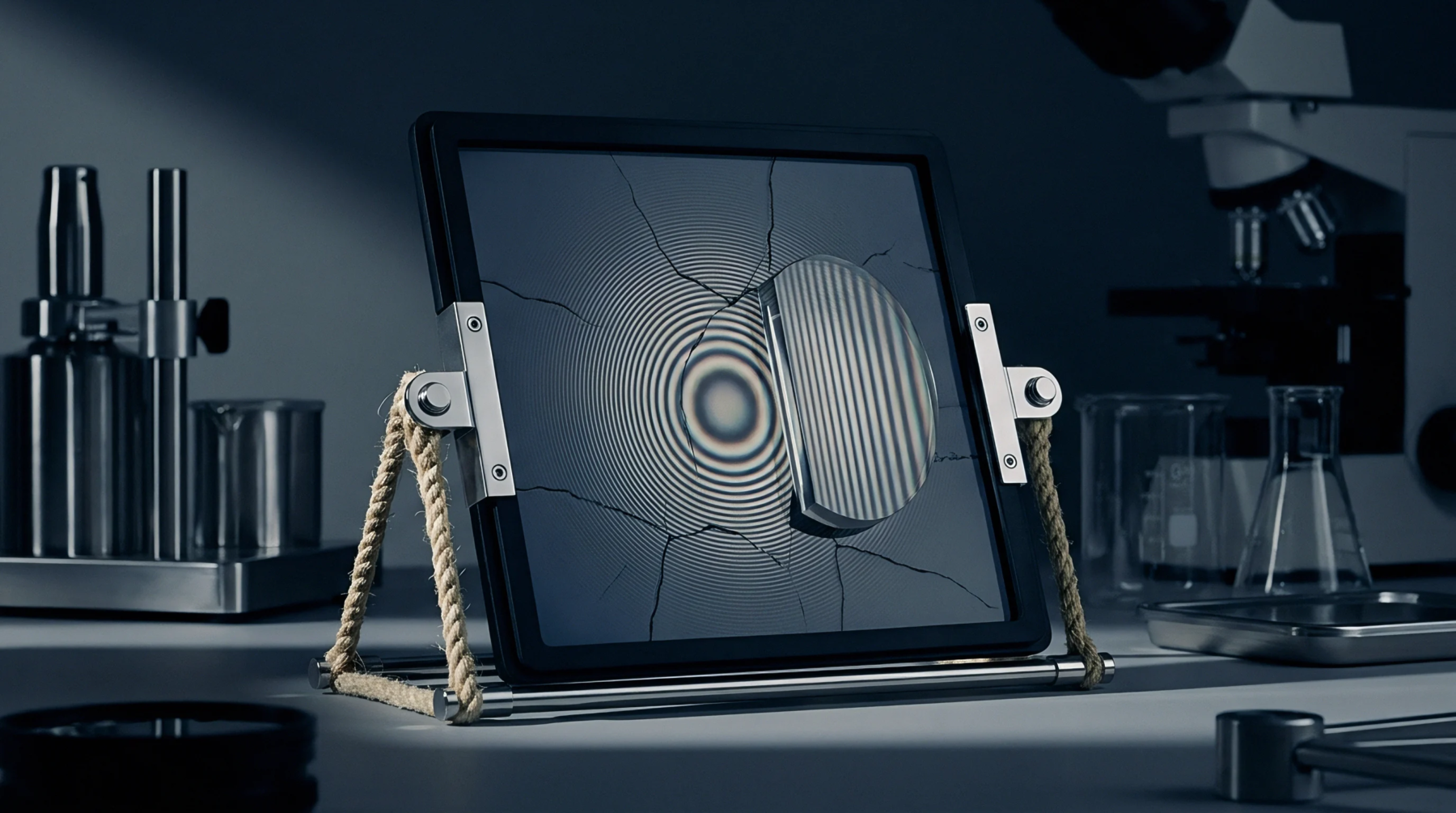
Meaning
Amorphous thermoplastic resin characterized by high transparency and low moisture absorption. Used in precision optics and medical packaging, cyclo olefin polymer provides a stable alternative to glass. The material maintains its shape under varying humidity levels.
Chemical resistance and low birefringence make it suitable for high resolution lenses.
Optical Stability
Light transmission remains constant through thermal cycling. Lenses made from cyclo olefin polymer resist yellowing during sterilization or extended UV exposure. A production yield depends on the absence of internal stress during the injection molding phase.
Manufacturing Tolerance
Precision molding requires strict temperature control to prevent warping. While polycarbonate expands significantly when wet, cyclo olefin polymer exhibits dimensional stability that ensures consistent focal length in outdoor sensors. Capability here refers to the ability to hit sub micron surface finishes.
Demonstrating a rate at scale requires specialized venting to avoid silver streaks.
Barrier Performance
Water vapor transmission occurs at a much lower rate than in traditional acrylics. Using cyclo olefin polymer for prefilled syringes protects sensitive proteins from degradation over long shelf lives. This moisture barrier prevents weight loss in fluid components.
Calling a production run early before the mold reaches steady state results in optical aberrations. The final part must undergo a rigorous optical audit to ensure clarity.