Meaning
Pulverised rock material represents the final output of sample preparation in mineral testing laboratories. Reducing the particle size of ore to analytical pulp allows the acids or fluxing agents to react uniformly with the sample. This material must be ground to a specific size, often below seventy-five microns, to ensure chemical homogeneity before laboratory analysis begins.
Grind Fineness
Dry crushing reduces the coarse drill core to a finer gravel before a pulverising mill transforms it further. High mechanical force in a ring and puck mill shears the mineral grains to ensure that all minerals are unlocked. This step determines the precision of downstream gold or base metal determinations, as uneven milling introduces a high risk of bias.
A coarser fraction can lead to poor extraction and highly variable assay results. If the milling time is too short, the coarser grains will remain unattacked by acids.
Sample Preservation
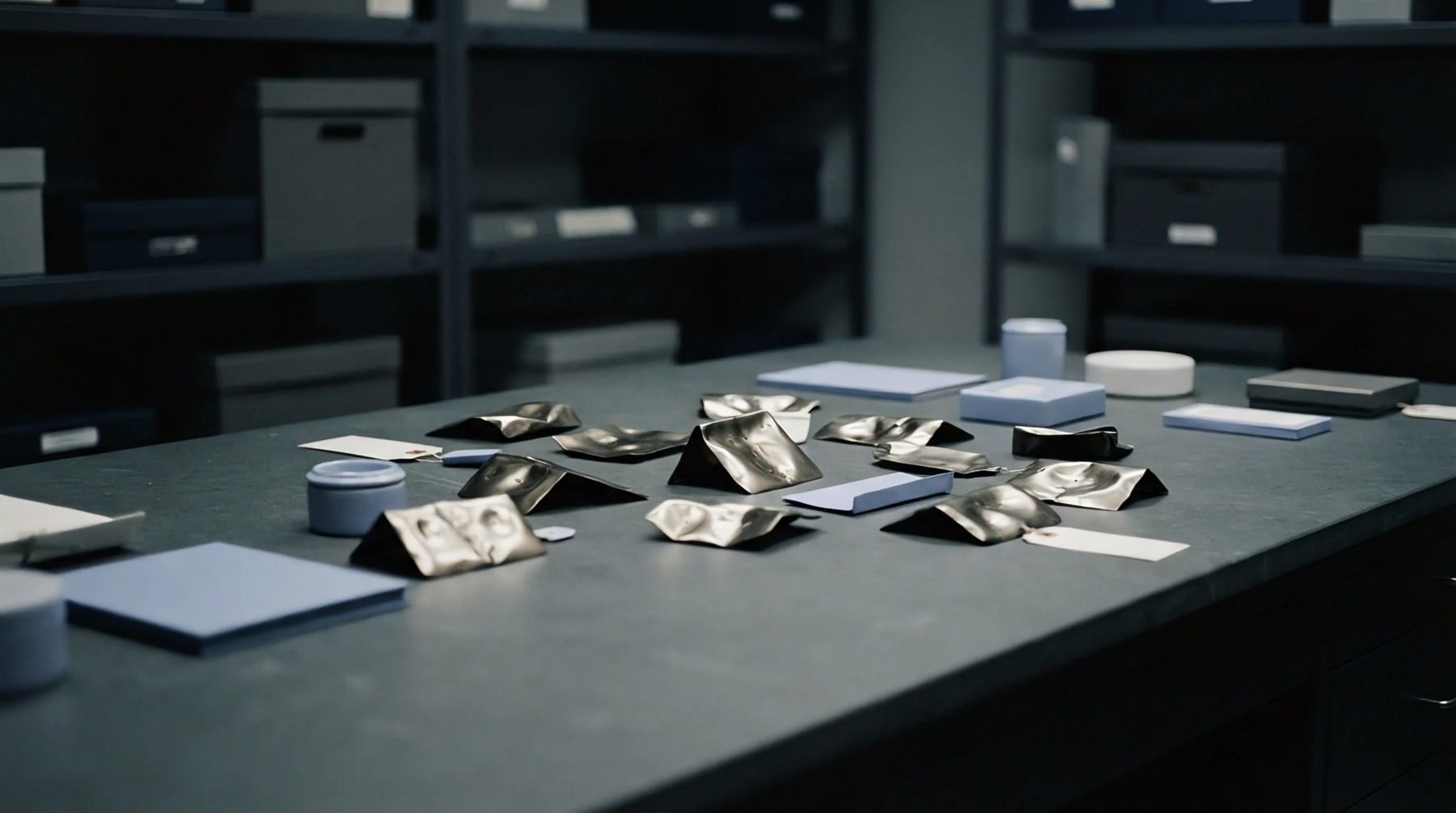
Humidity and exposure to air can alter the chemistry of the powder over time. Sealed plastic pouches or paper bags protect the sample from oxidation and moisture absorption. A desiccator cabinet keeps the bags dry until the chemist weighs out the portion for analysis.
If the powder becomes damp, it must be dried at a low temperature to prevent loss of volatile elements.
Analytical Execution
Portions of the fine powder are weighed and mixed with reagents. Chemists use a few grams of analytical pulp for fire assay or acid digestion. Accurate assay values depend on this high uniformity.