Managing Toll Manufacturing Resin Inventory and Baseline Scrap Allowances
Enforce monthly mass balance audits against calibrated part weights and deduct excess resin scrap directly from converter tolling invoices at landed cost.


Dispute
Consignment resin sitting on a converter’s plant floor is paid capital locked outside direct physical control. Tolling agreements separate material ownership from operational processing, creating routine friction over scrap allowances, inventory shrink, and resin reconciliation. Brand owners purchase resin, arrange delivery to a third-party plant, and pay a toll conversion fee per finished unit or kilogram.
The converter takes physical custody of the pellets without booking the inventory asset on its balance sheet. When a converter processes customer-owned material, machine purge, short shots, trim scrap, and start-up cycle losses draw down inventory paid for by another balance sheet.
Disputes usually originate in the gap between theoretical bill-of-materials consumption and actual hopper draw. A bill of materials calculation assumes nominal shot weights across steady-state cycling, but plant reality introduces wall-thickness swelling, thermal degradation in regrind, purge loss during color changes, and gate trim variance. Operating on tight conversion margins, a toller has little financial incentive to curb purge cycles unless the underlying contract imposes direct, invoice-deducted penalties for material consumption exceeding an agreed baseline.
A converter running customer-owned resin treats machine purge as an operational cost borne entirely by the material owner until the contract enforces invoice netting at landed pellet cost.
Inventory audits regularly turn up substantial shortfalls between recorded resin shipments and finished goods output. Standard financial controls tend to break down when raw material enters a facility as bulk railcar pellets and leaves weeks later as molded parts on wooden pallets. Across long production campaigns, the gap between theoretical yield and physical count widens, while toller management routinely points to nominal moisture dry-off, hopper fines, and unavoidable startup purges to account for every missing metric ton.

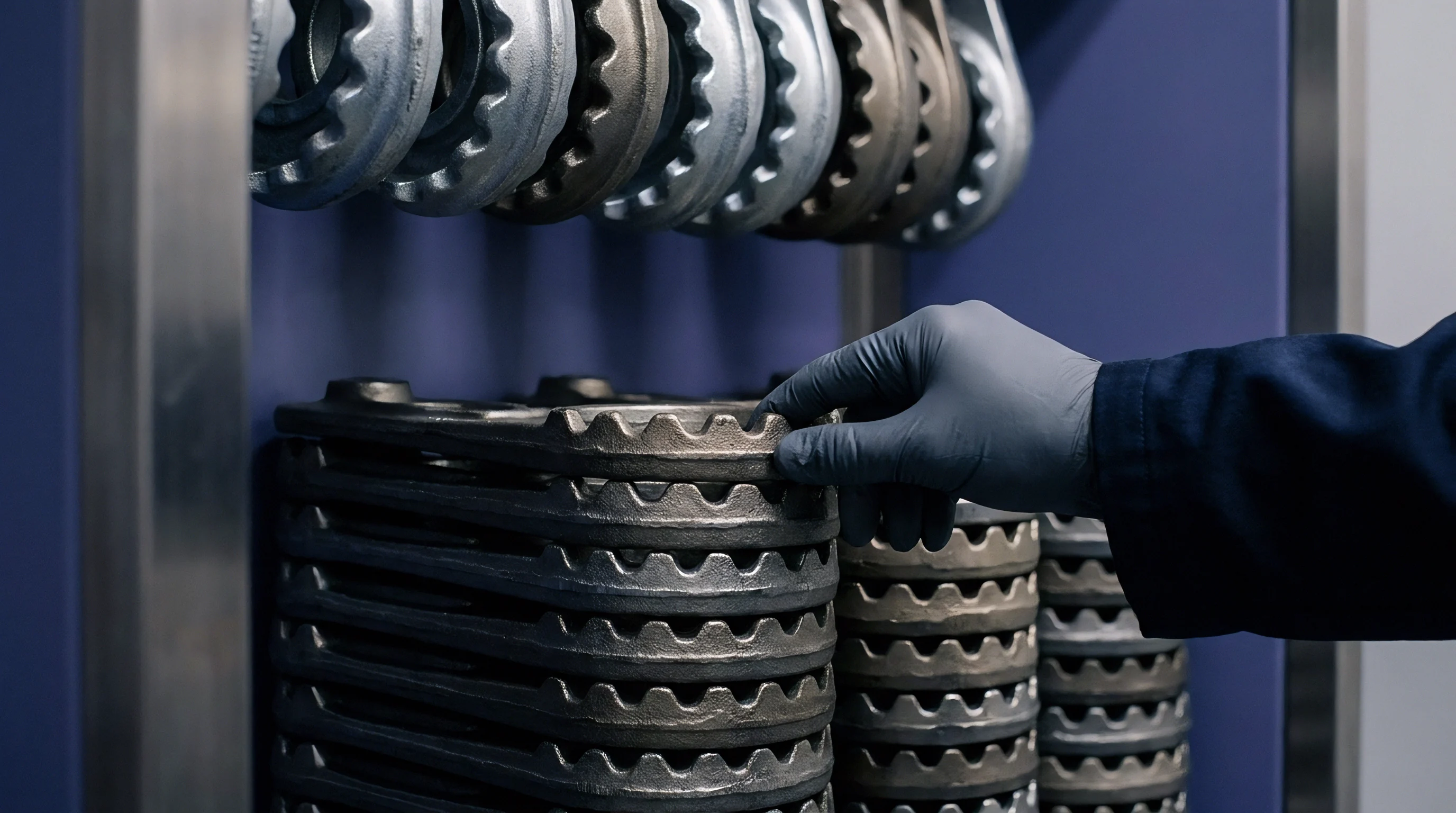
Purge

Physical Mechanics of Conversion Loss
Polymer processing generates scrap across three distinct phases of operation: setup, steady-state conversion, and teardown. Setup losses consume virgin material during barrel heating, color purging, resin transitions, and process parameter stabilization. Injection molding barrels require multiple volumetric displacements of resin to clear previous masterbatch pigments or thermal residue.
Extrusion lines produce heavy uncalibrated startup rolls before melt temperature, die pressure, and line speed settle into equilibrium.
Polymer morphology determines much of that baseline material loss. Hygroscopic engineering polymers shed significant volatile moisture during desiccant drying cycles. Unfilled polyolefins stick loosely to barrel walls during color transitions, whereas highly filled polyamides cause extensive abrasive wear and require heavy chemical purging compounds that consume extra virgin resin carrying charges.
| Conversion Process | Resin Family | Steady Run Scrap | Job Changeover Scrap | Maximum Regrind Allowance |
|---|---|---|---|---|
| Injection Molding (Cold Runner) | Polypropylene (PP) | 1.5% to 2.5% | 25 kg to 50 kg | 15.0% |
| Injection Molding (Hot Runner) | ABS / PC Blends | 0.8% to 1.5% | 40 kg to 80 kg | 10.0% |
| Cast Film Extrusion | Linear Low-Density Polyethylene | 3.0% to 5.0% | 150 kg to 300 kg | 100.0% closed-loop |
| Sheet Extrusion / Thermoforming | High Impact Polystyrene (HIPS) | 4.0% to 7.0% | 200 kg to 450 kg | 40.0% |
| Extrusion Blow Molding | High Density Polyethylene (HDPE) | 3.5% to 6.0% | 75 kg to 150 kg | 25.0% |
Regrind utilization limits directly govern the scrap calculation. While cold runner sprues and edge trim can undergo granulation and re-introduction to the hopper, polymer chains suffer thermal and shear degradation during each thermal cycle. The melt flow index rises, tensile strength drops, and color clarity shifts.
Automotive and medical specifications routinely place strict limits or complete bans on regrind content, turning reusable trim into hazardous or unrecoverable industrial waste.

Thermal Breakdown and Resin Integrity
Repeated processing cycles alter polymer kinetics, degrading part stability as thermal history accumulates in regrind streams. Converters must document several specific operational factors to justify scrap allocations:
- Thermal degradation drives molecular weight reduction and increases melt flow variance across extended production runs.
- Hydrolytic scission destroys mechanical integrity in un-dried engineering resins containing moisture levels above fifty parts per million.
- Cross-contamination occurs when granulator blades convey trace pigments from prior production jobs into virgin transparent resin lots.
- Fines generation removes light pellet dust through pneumatic cyclone loaders, creating unmeasured mass loss during conveying.
Unstable melt flow forces machine operators to widen process windows, increasing cycle times and part weight variations. Part density shifts upward when pack pressure increases to compensate for viscosity drop. Thick-walled components consume three to five percent more resin per cavity than nominal CAD models forecast, an invisible mass growth funded by the brand owner unless shot weight verification occurs at calibrated production intervals.
Baseline scrap definitions remain valid only while barrel temperatures and regrind ratios stay within qualified processing windows.
Processing scrap expands whenever mold temperatures drift outside validated ranges.


Reconciliation

Mass Balance Verification Protocol
True material reconciliation operates as a strict mass balance equation. Input mass delivered to the machine hopper must balance precisely against good parts produced, bad parts rejected, runner scrap generated, virgin purge captured, regrind retained, and documented dust loss. Conversion accounting tracks physical units of mass rather than financial standard costs.
Pellet moisture introduces phantom variances into the ledger. Nylon 66 absorbs up to eight percent atmospheric moisture by weight if stored in damaged gaylords. Uncalibrated desiccant drying removes this water weight, presenting an apparent two to three percent inventory shrink on the mass balance sheet before a single pellet enters the barrel.
Conversely, processing hygroscopic resin without adequate drying introduces steam voids, driving part rejection rates above ten percent.
| Reconciliation Line Item | Physical Mass (kg) | Mass Percentage | Balance Sheet Classification |
|---|---|---|---|
| Resin Delivered to Plant | 40,000.00 | 100.00% | Consigned Raw Material Inventory |
| Finished Goods Gross Weight (Accepted) | 37,280.00 | 93.20% | Finished Goods Inventory |
| Quality Control Rejects (Parts) | 640.00 | 1.60% | Scrap Asset / Converter Chargeback |
| Startup Purge and Runner Scrap (Solid) | 1,120.00 | 2.80% | Allowable Baseline Scrap |
| Clean Regrind in Staged Gaylords | 560.00 | 1.40% | Work-In-Process Inventory |
| Conveying Fines and Volatile Loss | 120.00 | 0.30% | Standard Process Shrink Allowance |
| Unaccounted Material Variance | 280.00 | 0.70% | Unsettled Toll Loss (Debited to Toller) |
| Assumes unfilled polypropylene processing at 230 degrees Celsius with a 2.50% contractual scrap allowance. | |||
Accurate reconciliation requires physical weighing scales calibrated to national measurement standards. Simply counting finished cartons and multiplying by CAD part weight introduces systematic errors: part flash, label weight, pallet moisture, and scale drift compound across millions of units. Reliable accounting relies on tared gross part weights captured directly at the molding press.

Audit Steps for Consignment Pellets
Inventory control depends on unannounced physical count verifications at the toller location. Floor stock cannot sit on the ledger as an unverified asset line.
- Gross weight verification confirms the actual mass of incoming railcars or octabins against shipping manifests before hopper discharge.
- Moisture analysis testing establishes incoming pellet water content to isolate drying loss from physical resin theft or processing waste.
- Regrind silo logging isolates reclaimed granulate by lot number to prevent unauthorized dilution of virgin resin streams.
- Purge patty weighing mandates the physical collection, tagging, and tared weighing of all machine purge lumps generated during changeovers.
- Cavity balance verification audits individual tooling impressions to eliminate shot weight variations across high-cavity tools.
Standard inventory tracking methods fail when converters blend multiple customer resins across centralized vacuum conveying lines, causing cross-contamination that destroys material value. Dedicated day bins and direct loader drops prevent resin leakage into adjacent machines.
Under standard contract terms, any resin consumption beyond baseline scrap allowances becomes a direct financial liability offset against conversion fees during monthly billing cycles.


Settlement

Financial Recovery and Chargeback Formulas
Resin variances translate into balance sheet cash adjustments through contractual settlement mechanisms. Tolling agreements structure conversion fees as a unit rate, such as forty cents per molded part or sixty-five cents per kilogram of converted output. When scrap exceeds contractual allowances, the financial recovery mechanism deducts the landed cost of lost resin from the toller conversion invoice.
Landed resin cost includes base polymer index pricing, freight, customs clearance, warehousing, and testing fees. Converters often resist settling variances at landed cost, arguing for settlement at raw resin spot prices instead. But because the material owner carries working capital costs, ocean shipping expenses, and customs duties on lost material, the settlement formula enforces full recovery of delivered cost.
| Performance Scenario | Scrap Rate | Scrap Variance vs 2.5% Target | Resin Loss Cost ($2.40/kg) | Net Toll Fee Payable |
|---|---|---|---|---|
| High Efficiency Run | 1.80% | -0.70% (Under Allowance) | $0.00 Penalty (Gain Retained) | $26,000.00 Full Fee |
| Contract Target Run | 2.50% | 0.00% (On Target) | $0.00 Penalty | $26,000.00 Full Fee |
| Minor Process Instability | 3.80% | +1.30% (Excess Scrap) | $1,248.00 Deducted | $24,752.00 Adjusted Fee |
| Severe Run Degradation | 6.20% | +3.70% (Excess Scrap) | $3,552.00 Deducted | $22,448.00 Adjusted Fee |
| Catastrophic Tool Crash | 11.50% | +9.00% (Excess Scrap) | $8,640.00 Deducted | $17,360.00 Adjusted Fee |
Settlement disputes escalate during polymer price inflation. When resin prices rise between shipment date and reconciliation date, inventory replacement costs outstrip historical ledger values. Settlement terms define whether recovery values lock at First-In, First-Out (FIFO) delivery cost or Current Market Replacement Value at the time of reconciliation.

Contractual Dispute Points
Commercial contracts fail when terms leave technical loss mechanisms undefined. Resolving inventory gaps requires explicit accounting provisions:
- Offset netting rights establish the buyer authority to withhold processing fee disbursements against unsettled material balances.
- Scrap asset disposal allocates revenue from contaminated purge lumps and degraded regrind sold to external plastic recyclers.
- Lot reconciliation frequency bounds audit cycles to thirty-day windows, preventing accumulated annual variances from compounding into unrecoverable positions.
- Yield measurement basis defines whether conversion targets apply to raw gross shot weight or net finished part packaging weight.
Toller conversion fees serve as the primary security deposit against unapproved resin shrink.
Failure to enforce monthly reconciliation cycles converts temporary floor scrap into permanent cash losses that drain operating margin and violate asset-based lending inventory covenants.


Silo

Bulk Material Custody and Transfer Loss
Material shrinkage begins before polymer pellets reach the processing machine throat. Bulk railcar and bulk tanker deliveries introduce significant physical custody transfer challenges. A hopper railcar holds between eighty and one hundred metric tons of resin pellets, which pneumatic transfer systems unload into outdoor storage silos using positive pressure air blowers.
Friction inside transfer lines generates heat as fast-moving pellets slide along smooth aluminum transfer piping. The pellets soften and stretch, forming thin polymer filaments known across the industry as angel hair or streamers that clog silo intake screens, rotary airlock valves, and vacuum hopper receivers. Angel hair formation destroys between zero point two and zero point six percent of total shipment mass.
Silo design also influences heel retention. Standard cone-bottom storage silos fail to discharge completely during routine production cycles; pellets hang up along internal weld seams, sidewall ledges, and level-sensor brackets. This dead stock remains uncounted until physical entry and cleanout occur, distorting monthly mass balance reconciliations.
Unloading lines leave residual pellets inside railcar compartments as well. Railcar discharge gates feature interior pockets where pellets lodge. Unless unloading operators manually vibrate car hoppers and inspect individual compartments with optical scopes, railcars return to resin producers carrying several hundred kilograms of paid inventory.
The brand owner pays freight and material costs for this un-discharged resin heel.
Moisture accumulation in outdoor silos further distorts weight measurements. Ambient temperature fluctuations draw moist air through silo breathers, condensing water droplets along internal aluminum walls. This condensation adds unmeasured water weight to bulk pellets while promoting microbial growth and polymer hydrolysis.
Determining true resin inventory requires differentiating physical polymer mass from condensed atmospheric moisture.
Scale calibration drift introduces systemic ledger errors over annual cycles. Railcar platform scales, weigh-hoppers, and loss-in-weight feeder cells experience mechanical wear and electronic drift under continuous factory vibration. A calibration drift of zero point four percent across an annual volume of twenty thousand tons misallocates eighty metric tons of virgin material.
Whether a converter verifies scale calibration monthly against certified deadweights or relies on uncalibrated machine load cells directly impacts customer resin ledgers.