Cross Border Collateral Perfection Rules and Reserve Allocations for International Inventory
Cross-border inventory financing requires local perfection filings, third-party bailee waivers, and direct borrowing base reserves for customs duties and retention of title liabilities.


Jurisdiction
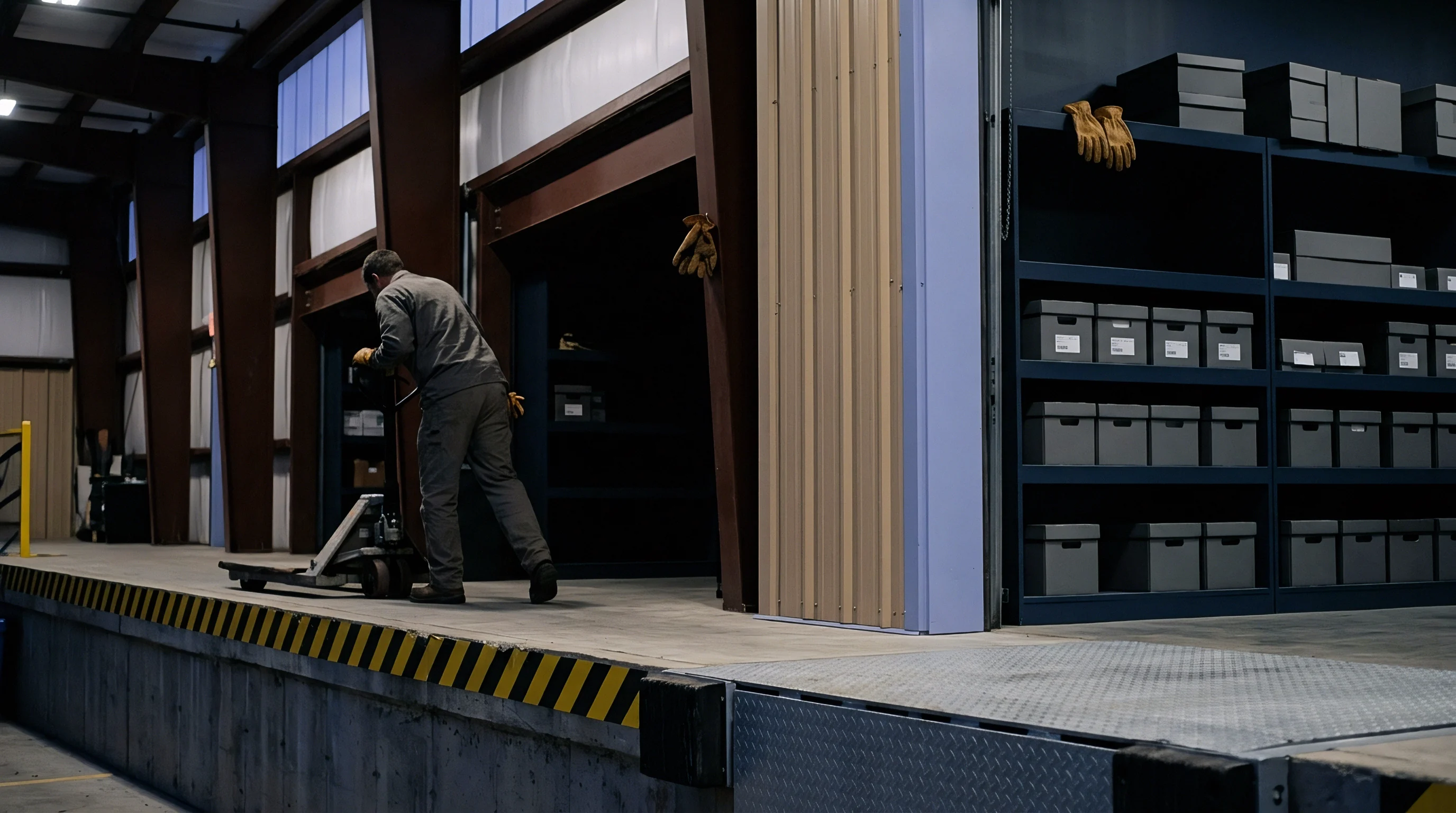
Choice of Law Principles and Physical Location Boundaries
Cross-border collateral perfection depends on the physical location of inventory at any given moment, governed by the private international law doctrine of lex loci rei sitae. A security interest legally perfected in the home country of a borrower becomes completely unenforceable when goods pass into foreign jurisdictions without local filing or registration. Secured lenders operating international asset-based lending facilities evaluate the location of the assets rather than the location of the borrowing entity when establishing legal rights against third parties.
Conflict-of-law rules across North America, Europe, and Asia mandate local legal compliance whenever goods cross a sovereign boundary. When raw materials or finished products cross a border, local statutory regimes instantly supersede foreign security agreements. A general security agreement executed under Delaware law or an all-assets debenture filed at Companies House in London confers zero enforceable rights over stock sitting in a Rotterdam warehouse or a bonded facility in Shenzhen unless local perfection mandates have been satisfied in full.
Perfection mechanics vary fundamentally between common law and civil law systems. Common law jurisdictions typically recognize floating charges or comprehensive security interests that attach to dynamic, fluctuating pools of finished goods and raw materials without requiring physical segregation or individual asset tracking. Civil law systems generally reject floating liens, enforcing strict rules of specificity ( bestimmtheitsgrundsatz ) that require clear identification of pledged assets or legal transfer of constructive possession.
A general security agreement registered in the borrower home jurisdiction yields zero legal enforcement rights against foreign assets stored without local registration.

Comparative Frameworks for Pledged Inventory
Lenders financing cross-border supply chains face distinct legal mechanisms across key operational hubs. In the United States, perfection over inventory relies on filing a UCC-1 financing statement naming the debtor and describing the collateral, establishing priority based on the date of filing. In England and Wales, perfection demands registration of a qualifying floating charge at Companies House within twenty-one days of creation, combined with appropriate negative pledge covenants to protect priority against subsequent fixed chargees.
European civil jurisdictions require dedicated structural adaptations to yield legal security over moveable stock. German law rejects the global floating charge, utilizing the Sicherungsübereignung (security transfer of title) where legal ownership passes to the creditor while physical possession stays with the debtor under a detailed possessory agreement ( besitzkonstitut ). Dutch legal systems rely on either a non-possessory pledge ( bezitloos pandrecht ) registered with the tax authorities or a possessory pledge requiring third-party bailment control.
| Jurisdiction | Primary Security Instrument | Public Registration Authority | Perfection Statutory Mechanism | Floating Inventory Priority Stance |
|---|---|---|---|---|
| United States | UCC Article 9 Security Agreement | Secretary of State (Debtor State) | UCC-1 Financing Statement Filing | First-to-file priority over later general filings |
| United Kingdom | Debenture Creating Floating Charge | Companies House Registrar | Form MR01 Filing within 21 Days | Subordinate to fixed charges and statutory expenses |
| Germany | Sicherungsübereignung Agreement | None (Private Document Requirements) | Constructive Transfer ( Besitzkonstitut ) | Defeated by extended Retention of Title suppliers |
| Netherlands | Bezitloos Pandrecht Instrument | Belastingdienst Tax Registry | Notarial Deed or Tax Filing | Subordinate to Dutch Tax Authority statutory liens |
| France | Gage sur Stocks Agreement | Registry of the Commercial Court | Public Stock Pledge Book Entry | Requires strict monthly inventory reporting schedules |
Secured credit documentation addresses jurisdictional transitions through automated geographic exclusion covenants. Standard cross-border asset-based lending contracts contain specific terms stating that inventory crossing an international border into an unregistered jurisdiction immediately ceases to qualify as an eligible asset for borrowing base inclusion until local perfection filings, legal opinions, and control agreements reach complete execution.


Depot

Third-Party Warehouse Controls and Possessory Rights
Commercial storage facilities introduce significant operational friction into international inventory financing arrangements. Warehouse keepers, terminal operators, and logistics service providers maintain statutory possessory liens over goods held in their custody to secure unpaid storage, handling, and transportation fees. These statutory rights routinely take legal priority over a lender perfected security interest, enabling logistics providers to seize and detain inventory during commercial disputes.
Secured creditors enforce control over third-party storage sites through formal tri-party agreements, commonly structured as Landlord Waivers, Bailee Letters, or Warehousekeeper Control Agreements. These legal contracts explicitly subordination the storage provider statutory lien to the financial institution security interest. They also grant the lender absolute rights of physical entry to inspect, repossess, and liquidate stored stock following a credit facility default.
Possessory pledge requirements in civil law regions present operational challenges for active inventory turnover. In countries like France or Italy, perfecting a pledge over inventory historically required physical surrender of the goods to a designated third-party custodian. Modern reforms allow registration of non-possessory pledges, yet lenders frequently prefer physical third-party collateral management arrangements ( tierce détention ) where a specialized field warehousing entity controls physical access to the warehouse floor.
- Auditors perform an unannounced physical count of international warehouse contents, verifying tag numbers against collateral reporting listings.
- Legal counsel inspects local land registry filings to confirm the absence of prior landlord encumbrances on the physical premises.
- The facility operator executes a binding bailee waiver acknowledging the primary security interest of the lender over all present and future stock.
- Credit officers institute a mandatory storage reserve in the borrowing base equal to ninety days of estimated facility rent and handling fees.

Transit Status and In-Coterm Risks
Inventory floating on ocean vessels or residing in airport transit centers presents unique perfection hurdles due to shifting physical custody and international commercial terms. International Commercial Terms (Incoterms 2020) define the precise point where risk of loss and legal title transfer from exporter to importer. A lender financing goods under Ex Works (EXW) or Free Carrier (FCA) terms assumes title risk at the port of origin, whereas Carriage and Insurance Paid to (CIP) or Delivered Duty Paid (DDP) arrangements keep title with the overseas seller until physical arrival at the import destination.
Incoterms fix the exact geographic coordinate where title risk transfers, governing whether goods qualify for inclusion within a borrowing base.
Documentary title control relies heavily on negotiable Bills of Lading (B/L) issued by ocean freight carriers. Negotiable bills made out “to order of shipper” and endorsed in blank allow the entity holding the physical paper document to claim underlying cargo at the port of discharge. Modern trade finance facilities demand electronic or paper bill of lading consignment directly to the financing bank, converting ocean freight into pledged collateral while in transit across international waters.
Non-negotiable sea waybills and air waybills convey zero title rights, acting merely as freight transport receipts. Lenders extending lines of credit against in-transit stock enforce strict eligibility caps on goods covered by non-negotiable documentation. Without physical or documentary title control, in-transit stock remains exposed to intermediate creditor attachments, seller stoppage rights in transit under international sales contract rules, and sudden customs detentions at border entry points.
Failure to obtain signed third-party landlord waivers before moving inventory into new distribution centers results in total loss of collateral eligibility and immediate reduction of drawdown capacity.


Carveout

Whose Statutory Priority Supersedes a Lender Security Interest?
Statutory claims established by national tax authorities, customs agencies, and labor law regulations systematically cut ahead of perfected security interests in cross-border collateral liquidations. Customs duties, value-added taxes (VAT), and import tariffs represent prime obligations attached directly to physical goods. Tax authorities retain sovereign powers to seize unpaid import shipments at the border, completely wiping out lender recovery valuations regardless of perfected UCC-1 filings or registered debentures.
Retention of Title (RoT) clauses embedded in commercial supplier invoices create severe collateral carveouts across Continental Europe and the United Kingdom. Simple RoT clauses allow suppliers to retain ownership of sold stock until receiving full payment for that specific consignment. Extended RoT clauses ( verlängerter Eigentumsvorbehalt ), ubiquitous in German commercial trade, go further by claiming title over downstream processed goods and the resulting accounts receivable created from their ultimate sale.
Lenders calculate specific reserve allocations to neutralize RoT exposures inside international inventory pools. When an asset-based loan borrower purchases inventory from German, French, or British suppliers under standard terms, credit analysts isolate those specific vendor accounts payable and deduct them directly from gross inventory eligibility. This dollar-for-dollar reserve prevents double-counting collateral that legal courts would award back to unpaid trade suppliers during corporate insolvency proceedings.
Statutory tax liens and vendor retention of title claims carve out priority asset value ahead of all registered financial charges.

Customs Bonding and Tariff Obligations
International inventory held inside duty-deferred structures introduces deferred tax liabilities into borrowing base calculations. Foreign Trade Zones (FTZ) and bonded customs warehouses allow importers to delay payment of import duties and local tariffs until goods leave the facility for domestic consumption. While these structures conserve corporate cash flow, they create an encumbrance equal to the unpaid statutory duty amount.
- Customs Duty Reserves reflect calculated obligations owed to border protection agencies upon physical clearance of bonded inventory into domestic market channels.
- Freight Forwarder Liens protect logistics companies holding statutory retention rights over imported freight for unpaid international logistics invoices.
- Wage Earner Protection Carveouts represent statutory super-priority claims established under insolvency legislation to pay outstanding employee salaries from liquidated company assets.
- Value Added Tax Carveouts cover unremitted import VAT liabilities assessed on imported inventory lots entering national customs territory.
Customs brokers retain statutory power to enforce possessory claims over goods to settle unpaid import duties and freight charges. Standard credit documentation requires borrowers to deliver customs broker power-of-attorney agreements containing explicit broker undertakings to notify the lender of tax delinquencies and grant first rights to clear goods following default.
The trade supplier refused to dispatch replacement components because prior shipments under retention of title contracts remained unpaid inside the Dutch assembly hub.


Haircut

Dilution Mechanics and Gross-to-Net Deductions
Converting gross inventory values recorded on corporate balance sheets into Net Eligible Inventory requires rigorous quantitative adjustments. Financial reporting under International Financial Reporting Standards (IFRS) or US GAAP records inventory at the lower of cost or net realizable value. Lenders calculate a far more conservative value: Net Orderly Liquidation Value (NOLV), which reflects the net dollar amount expected from a forced liquidation sale over a sixty-to-ninety-day wind-down period, after deducting all liquidation expenses.
Third-party appraisal firms establish NOLV percentages through semi-annual physical audits and market demand analyses. An appraisal arriving at an 85 percent gross NOLV indicates that liquidators expect to recover eighty-five cents on the dollar before selling costs. If liquidation expenses, such as auctioneer fees, warehouse operations, freight moving, and labor costs, consume 15 percent of realization proceeds, the Net Orderly Liquidation Value drops to 70 percent of book cost, dictating the ceiling for facility advance rates.
Order-to-cash dilution factors further erode asset value between warehouse exit and final invoice settlement. Customer returns, volume rebates, warranty claims, damage allowances, and pricing disputes reduce the cash yield generated by inventory liquidation. Credit teams track historical dilution ratios across international sales channels, applying direct percentage deductions against gross inventory pools showing elevated dispute frequency or long delivery cycles.
| Collateral Line Item Itemization | Gross Ledger Value | Deduction Percentage | Reserve Allocation | Net Eligible Value |
|---|---|---|---|---|
| Gross International Finished Goods Inventory | 10,000,000 USD | 0.0% | 0 USD | 10,000,000 USD |
| In-Transit FOB Origin Adjustments (Unperfected) | (1,500,000 USD) | 100.0% | (1,500,000 USD) | 8,500,000 USD |
| Retention of Title Supplier Inventory (German/UK) | (1,200,000 USD) | 100.0% | (1,200,000 USD) | 7,300,000 USD |
| Customs Duty & Unpaid Tariff Reserves (Bonded) | (400,000 USD) | 100.0% | (400,000 USD) | 6,900,000 USD |
| Slow-Moving & Obsolescence Haircut (>180 Days) | (900,000 USD) | 100.0% | (900,000 USD) | 6,000,000 USD |
| Net Eligible Inventory Base | 6,000,000 USD | 0.0% | 0 USD | 6,000,000 USD |
| Appraised NOLV Factor Application | 6,000,000 USD | 30.0% | (1,800,000 USD) | 4,200,000 USD |
| Final Stated Advance Rate (85% against NOLV) | 4,200,000 USD | 15.0% | (630,000 USD) | 3,570,000 USD |

Obsolescence and Landed-Cost Adjustments
Physical inventory aging requires progressive haircut brackets inside collateral tracking software. Raw materials and finished products lingering past standard inventory turn periods carry elevated risks of technological obsolescence, physical deterioration, or demand collapse. Credit agreements mandate automated eligibility disqualifications for goods exceeding predetermined shelf-life thresholds.
Landed-cost accounting errors distort inventory underlying value when companies capitalized excessive freight, insurance, and handling charges into inventory ledger costs. In times of elevated global container shipping rates, capitalized freight can inflate recorded inventory balance sheet values by 20 to 30 percent over actual manufacturing cost. Lenders strip capitalized transit overhead out of the collateral base, resetting inventory values back to pure direct manufacturing cost before applying advance rates.
Unsold inventory aging beyond one hundred eighty days incurs immediate full eligibility disqualification inside the borrowing base calculation.


Arrears

Enforcement Triggers and Borrowing Base Certificates
Dynamic advance rates protect lenders against sudden collateral degradation during operational stress. Standard trade credit facilities mandate monthly or weekly submission of a formal Borrowing Base Certificate (BBC), signed under penalty of fraud by the corporate chief financial officer. The BBC reconciles gross general ledger inventory balances down to net eligible collateral by itemizing every statutory reserve, geographic exclusion, aging haircut, and dilution adjustment.
Financial covenants establish explicit liquidity thresholds that trigger heightened collateral monitoring. When fixed charge coverage ratios (FCCR) slip below minimum standard ratios, or when excess availability under the credit line drops below designated percentage triggers, facilities transition into full cash sweep status. Under full cash sweep, all customer cash receipts across international collection accounts sweep directly into bank-controlled concentration accounts to pay down outstanding revolving loans.
| Supply Chain Inventory State | Legal Perfection Level | Standard Advance Rate | Mandatory Reserves Applied | Effective Net Liquidity Yield |
|---|---|---|---|---|
| Domestic Central Hub Stock | Fully Perfected (UCC / Fixed) | 85% of NOLV | Standard landlord & shrinkage reserves | 70% to 75% of Cost |
| Overseas Bonded Warehouse (DDP) | Locally Registered / Pledged | 70% of NOLV | Unpaid duty, tariff & local VAT reserves | 50% to 55% of Cost |
| Ocean Transit (FOB Vessel) | Documentary Control (B/L) | 60% of NOLV | In-transit cap, marine insurance reserve | 40% to 45% of Cost |
| Third-Party Logistics (No Waiver) | Unperfected Possessory Exposure | 0% (Ineligible) | Full 100% eligibility reserve haircut | 0% of Cost |

Cross-Border Insolvency and Recovery Execution
Default scenarios involving multinational inventory pools trigger complex legal jurisdictional conflicts under international bankruptcy frameworks. The UNCITRAL Model Law on Cross-Border Insolvency provides a standardized framework for recognizing foreign main insolvency proceedings, yet local courts consistently prioritize domestic secured creditors and statutory tax authorities when physical assets sit within their territorial borders.
Enforcement execution demands immediate physical control over distribution hubs to prevent asset leakage or unauthorized movement. Secured creditors post physical security agents at key warehouse locations, issue formal notices to third-party logistics managers, and arrest ocean vessels carrying in-transit freight through maritime court injunctions. Delayed action by credit teams allows statutory mechanics, local trade creditors, and foreign tax officers to attach local assets, severely reducing total loan recoveries.
Which specific jurisdictional harmonization legal mechanisms will ultimately align cross-border floating charges across civil law import centers and common law financial capitals?