Meaning
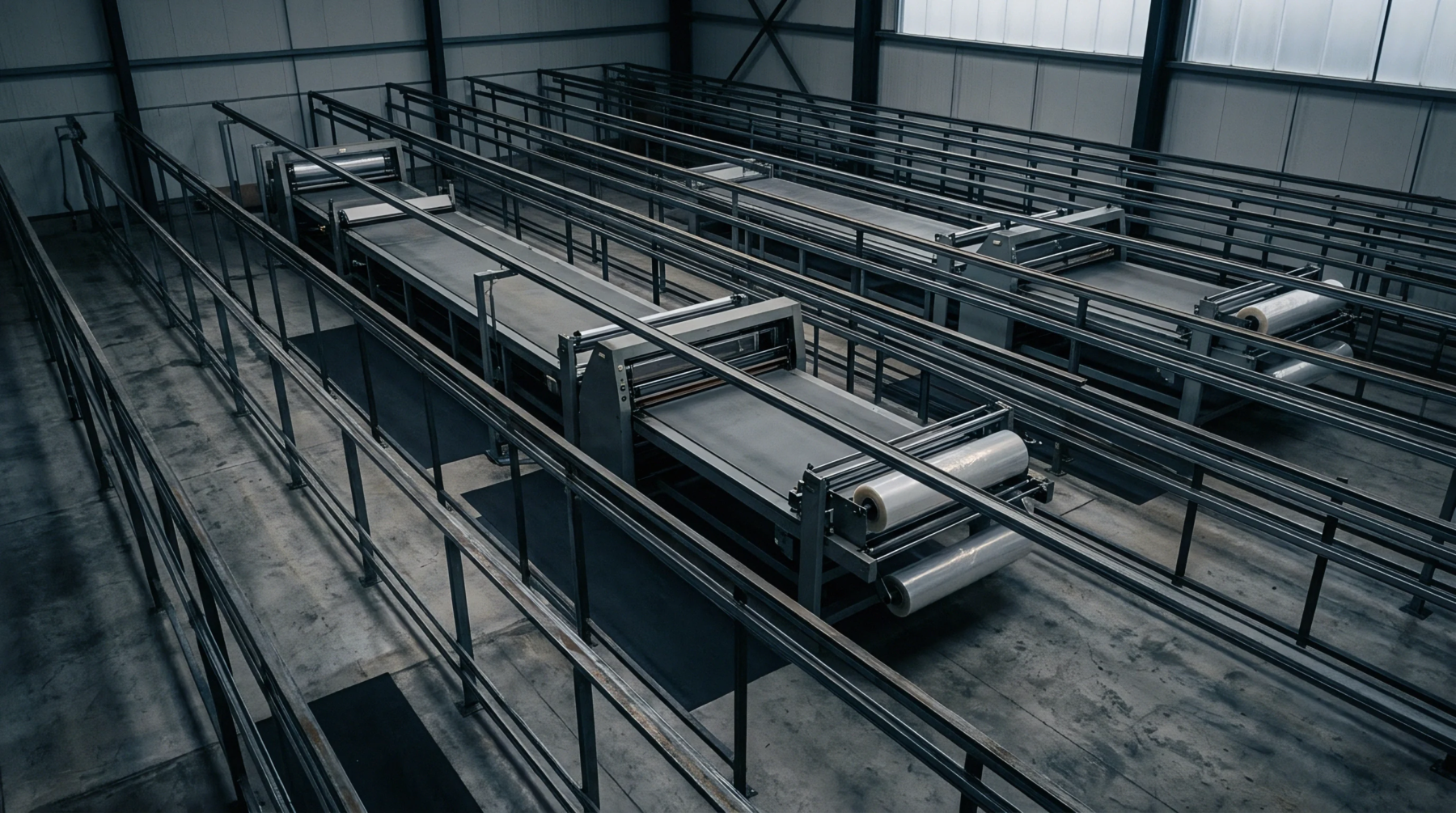
Legal obligations in commercial leases require tenants to return the leased property to the landlord in a specific condition at the end of the tenancy. Complying with yield up covenants ensures that industrial operators remove their heavy machinery and repair any floor damage before handover. They protect landlords from the expense of clearing left-behind manufacturing equipment.
Reinstatement Obligation
Tenants often make substantial modifications to warehouses to accommodate their manufacturing lines. Under typical yield up covenants, the tenant must remove all high-voltage cabling and mezzanine floors. This restoration work must be completed before the final lease expiry date.
If the original structural alterations were not documented with a formal license to alter, the tenant may also be required to rebuild internal partition walls that they removed years earlier, which adds substantial cost and labor to the exit process.
Financial Settlement
Landlords can claim compensation if the property is returned in an unsatisfactory state. When yield up covenants are breached, the landlord calculates the cost of the necessary repairs and issues a dilapidations claim. This can result in a lengthy negotiation between the surveyors of both parties.
Operational Plan
Decommissioning and clearing an industrial plant requires careful scheduling to avoid lease penalties. A business must factor the requirements of these yield up covenants into its exit timeline, ensuring that the work is completed before the lease ends. Early planning prevents the accrual of double rent penalties.