Meaning
Structural design adjustments offset progressive time-dependent dimensional strain and deformation occurring when polymers operate under continuous mechanical load. Viscoelastic creep compensation modifies component wall thicknesses, internal ribbing geometries, fiber orientations and assembly clearances to maintain functional tolerances over long service lifespans. The methodology governs structural engineering, tooling design and life prediction for load-bearing thermoplastic parts.
It ceases to apply once applied stress drops below the material linear viscoelastic limit or when parts operate in completely unloaded conditions.
Stress Relaxation
Polymeric materials exhibit both viscous fluid and elastic solid behaviors, resulting in progressive molecular chain uncoiling under sustained static loads. Viscoelastic creep compensation uses isochronous stress-strain curves and creep modulus data to calculate long-term dimensional expansion or mechanical sagging. Design engineers alter load-bearing cross-sections and add reinforcing gussets to distribute sustained stresses below critical creep thresholds.
Failure to compensate for viscoelastic deformation leads to mechanical binding, seal loosening and structural failure over time.
Prototype Qualification
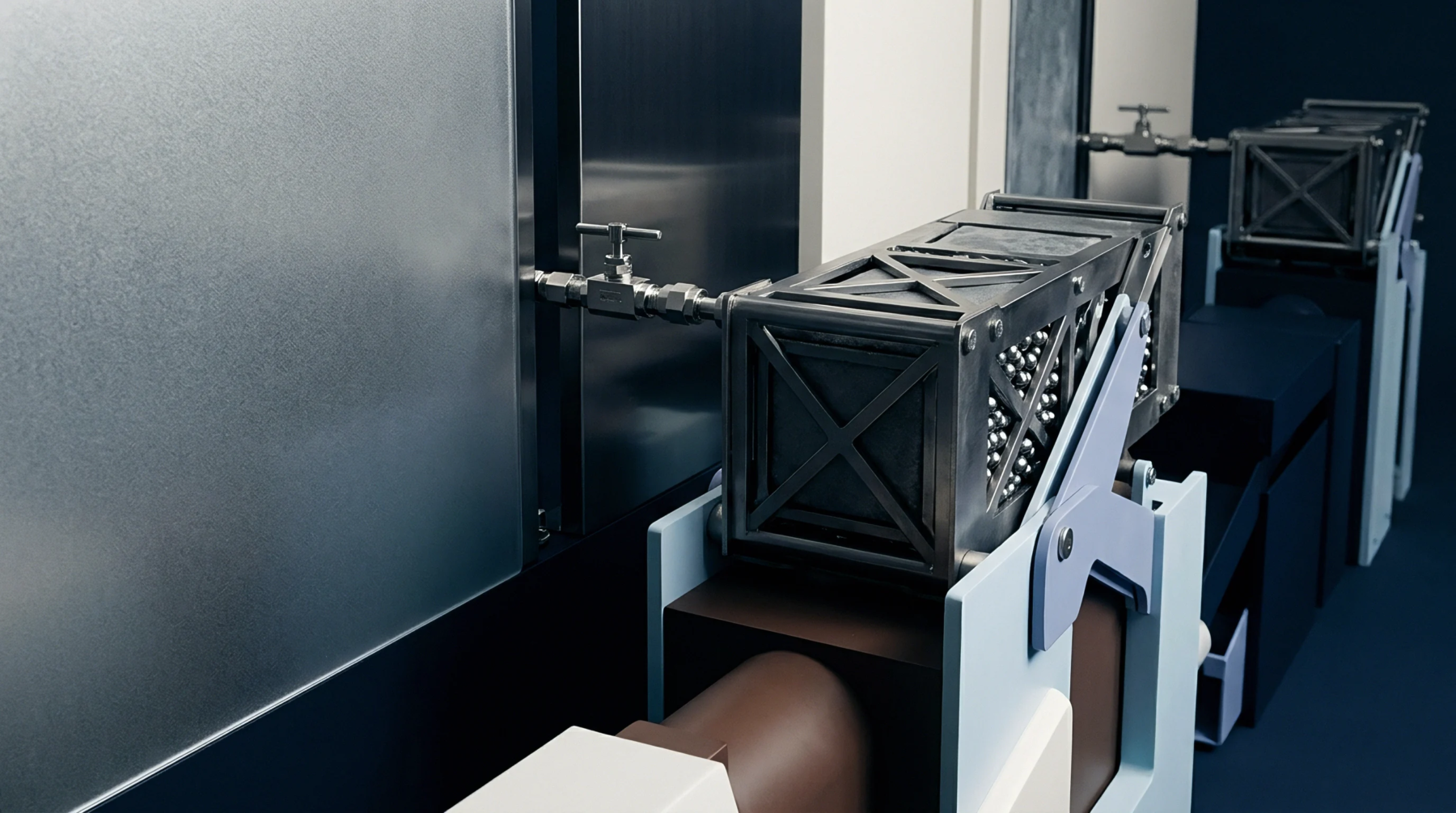
Accelerated environmental stress-rupture testing and long-term creep audits validate component durability under elevated thermal and load conditions. Engineers subject prototype assemblies to sustained mechanical loads inside climate-controlled chambers to measure continuous creep strain over thousands of hours. Approving a polymer component based purely on instantaneous short-term tensile modulus data masks catastrophic long-term dimensional creep.
Creep test results validate finite element simulation models before final production tooling fabrication.
Life Prediction
Compensating for long-term viscoelastic behavior ensures polymer assemblies maintain structural integrity and functional clearances throughout their intended operational lifespans. Structural components resist permanent distortion, maintaining tight tolerances against mating metal assemblies without cracking or loosening. Product liability risks drop because load-bearing components do not suffer unexpected creep rupture under continuous operational stress.
Rigorous creep compensation supports the successful replacement of metal structures with lightweight structural polymers.