Meaning
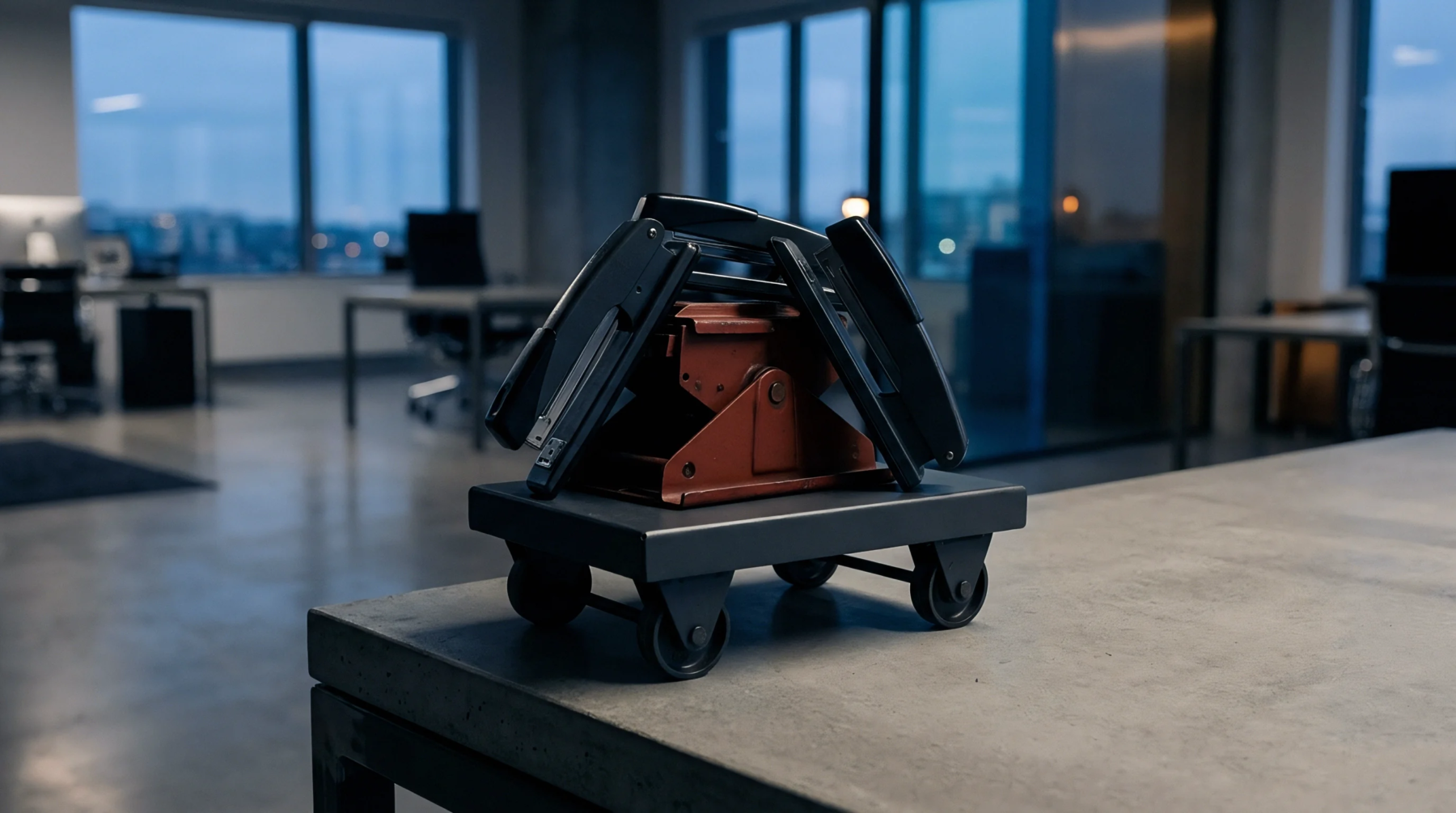
A maintenance strategy focused on maximizing equipment effectiveness through the active participation of all employees. Total productive maintenance shifts the responsibility for routine machine care from dedicated maintenance staff to the operators who work with the equipment daily. This approach minimizes downtime and prevents the degradation of equipment condition over its operational life.
Equipment Efficiency
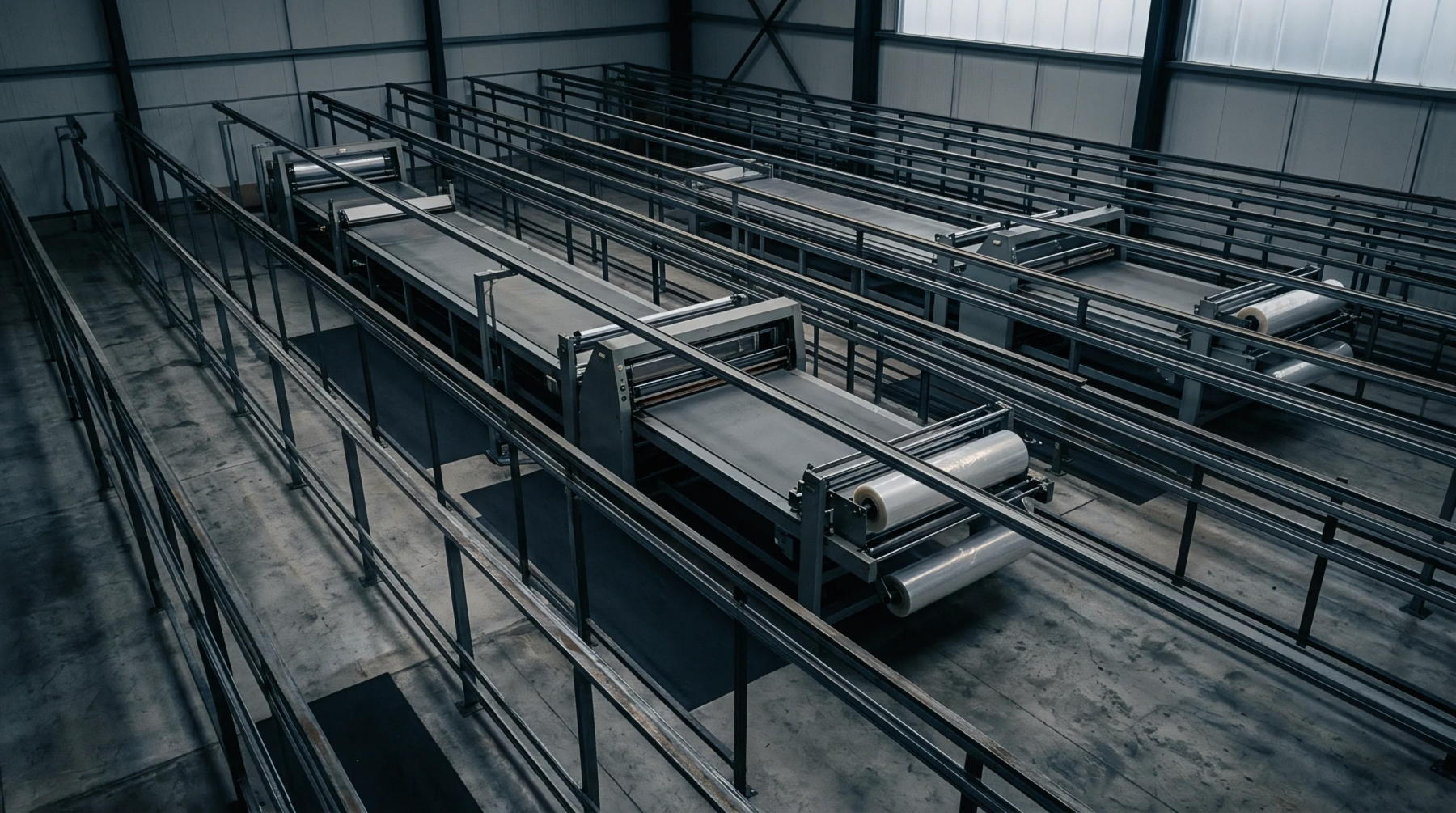
Production systems use the overall equipment effectiveness metric to quantify the success of this maintenance model. Calculations involve the product of availability, performance rate, and quality rate to identify losses within the manufacturing cycle. Small adjustments made by operators during the production run prevent minor stops from accumulating into major equipment failures.
Operational Logic
Preventive care routines and predictive monitoring detect mechanical drift before the equipment deviates from its nominal performance range. Maintenance teams perform technical overhauls while operators handle cleaning, lubrication, and inspection duties. A systematic reduction in hidden defects improves the stability of the output.
Capital Recovery
Long term profitability depends on the extension of machine life cycles through consistent attention to mechanical health. Organizations avoid the premature replacement of expensive assets when proactive maintenance cycles are strictly enforced. The primary benefit of this methodology is the transformation of equipment maintenance from a reactive expense into a competitive asset.