Meaning
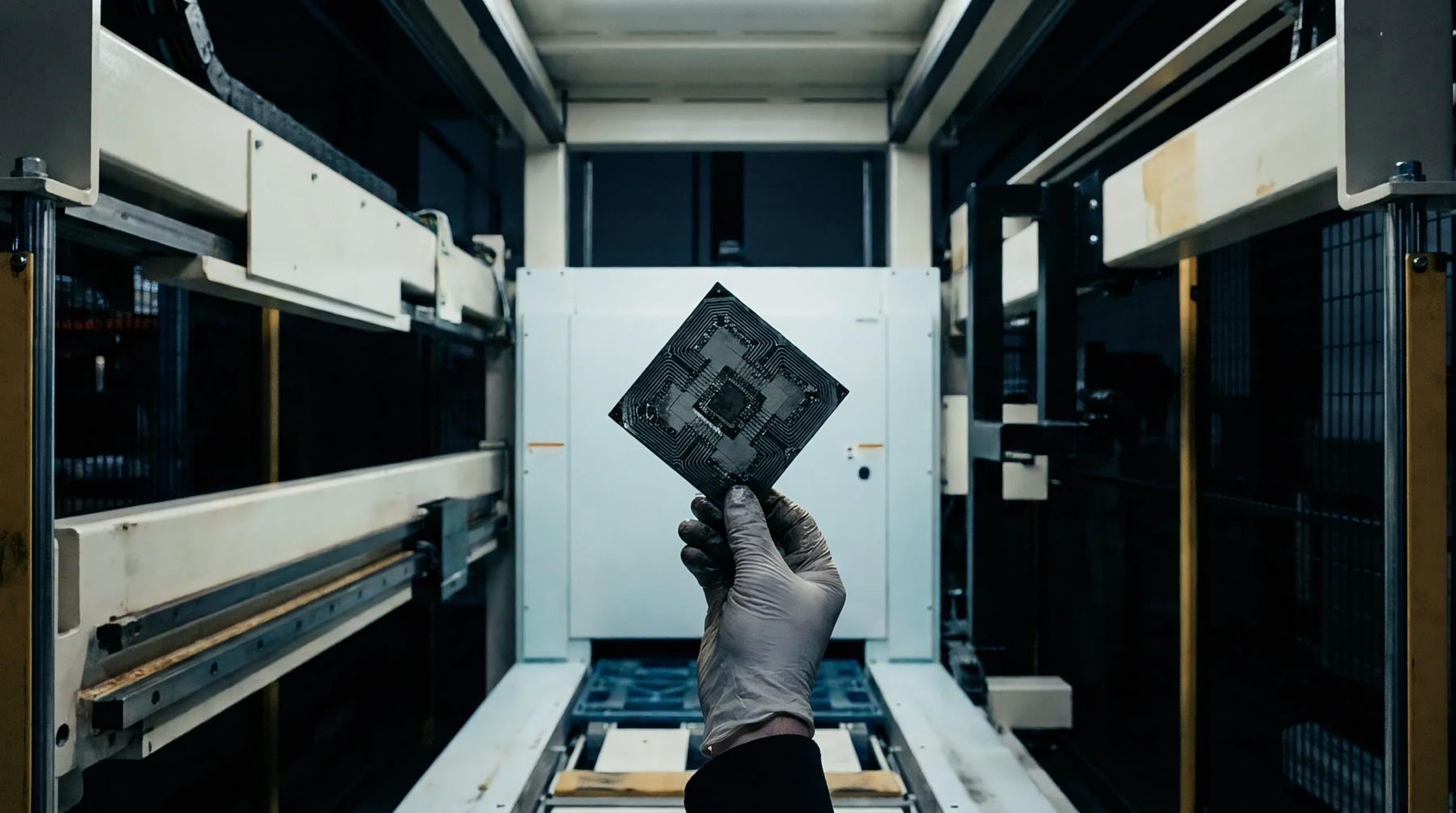
Industrial processes used to return worn or damaged production equipment to its original specifications extend the useful life of capital assets. Tool refurbishment involves cleaning, inspection, repair and testing of critical surfaces that have degraded during thousands of cycles. This practice is a cost effective alternative to purchasing new hardware for established production lines.
Restoration Process
Disassembly of the tool allows technicians to check for cracks, fatigue and hidden wear in the internal cooling or ejector systems. During tool refurbishment, surfaces might be laser welded or machined back to the correct dimensions before a final polishing. Each component is tested to ensure it meets the tolerances required for high precision work.
Capability Recovery
Returning the tool to its peak condition ensures that the production yield matches the levels seen during the initial validation phase. A successful tool refurbishment eliminates defects like flash or dimensional drift that were caused by previous wear. This reset allows the facility to restart the wear clock and maintain consistent part quality.
Economic Benefit
Extending the time between total replacements reduces the capital expenditure required to keep a factory running at full capacity. This strategy is particularly valuable for complex molds or heavy dies with high replacement costs.