Meaning
Verification of supplier compliance is performed by an independent external organization to ensure adherence to industry standards. A formal third party quality audit provides an objective assessment of a supplier’s quality control systems and physical manufacturing capabilities. This assessment is bounded by the scope of the specific international standard being evaluated and does not cover commercial pricing discussions.
It establishes a trusted baseline of performance for the buyer.
Verification Action
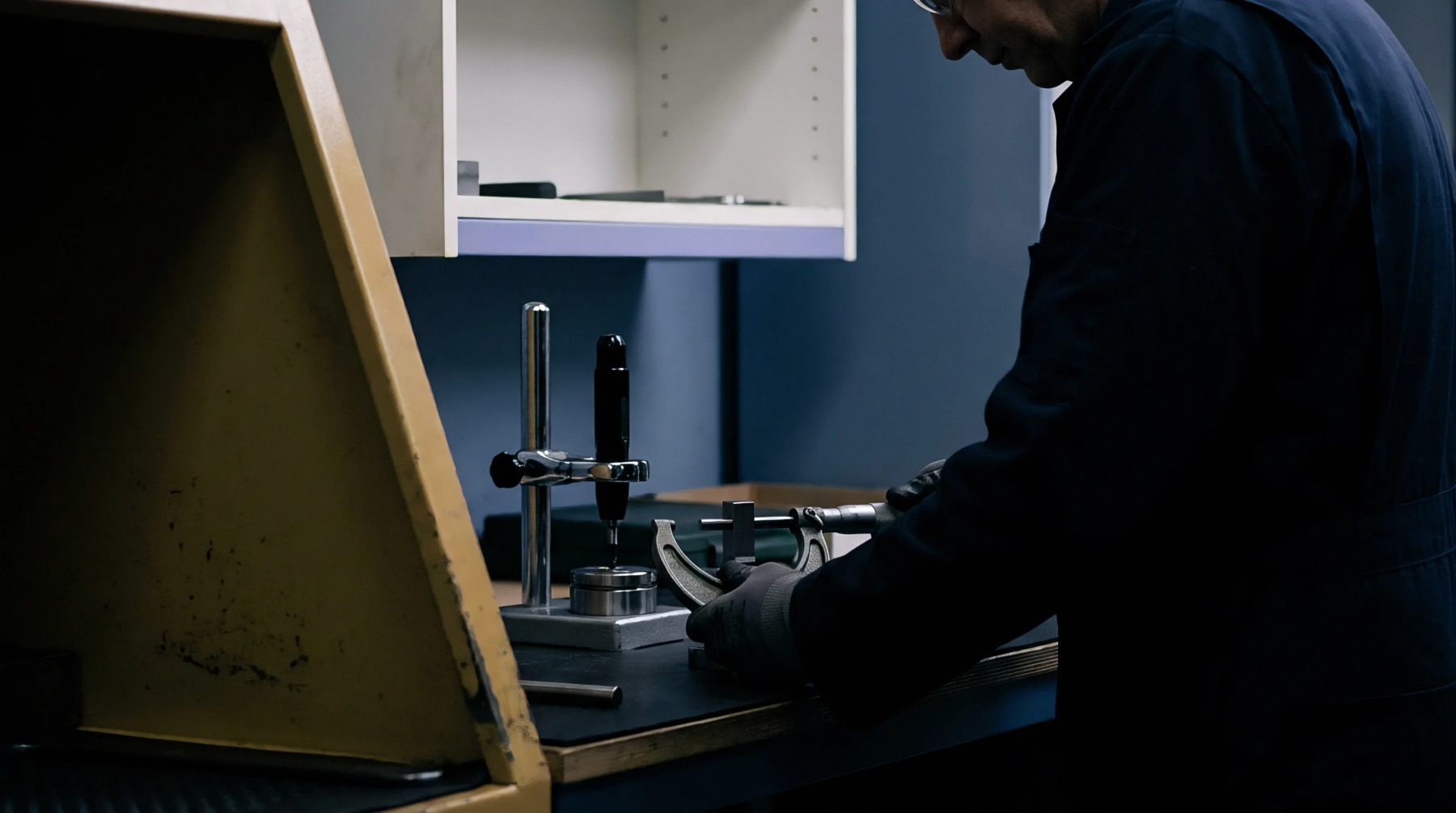
On-site inspection of production processes and review of calibration records form the core of the evaluation. The team conducting the third party quality audit verifies that the recorded procedures match actual floor activities. This inspection is done to identify gaps before the parts are shipped.
Operational Impact
Establishing a regular audit cycle ensures that suppliers maintain high operational standards over long contracts. If the supplier’s processes drift, the audit catches the deviation before it affects the final product assembly. This early detection avoids the need for costly incoming inspections by the buyer.
System Readiness
Transitioning from a trial vendor to a high-volume manufacturing supplier requires a successful evaluation run. A failed audit means the vendor cannot be trusted with high-capacity runs, necessitating the selection of alternative partners. A verified inspection ensures that the supply chain is secure and reliable.