Meaning
Geometric deviation from a theoretically perfect line defines the extent to which a feature deviates from its ideal spatial path. A straightness error quantification provides the peak-to-valley variance measured against a perfect reference line. Calibration services utilize laser interferometry or electronic levels to isolate this variance from other form irregularities like waviness or roundness.
Engineers establish specific tolerance zones to constrain these deviations within a manufacturing process.
Production Variance
Machining centers generate such inaccuracies through thermal expansion of components or tool deflection during high speed passes. Variations in material hardness also force the cutting head to wander slightly while following a programmed path. Systematic measurement of these deviations identifies whether an axis calibration meets technical specifications before full scale assembly commences.
Frequent monitoring reduces the frequency of rejected parts that fail to seat properly within precise housings.
Verification Protocol
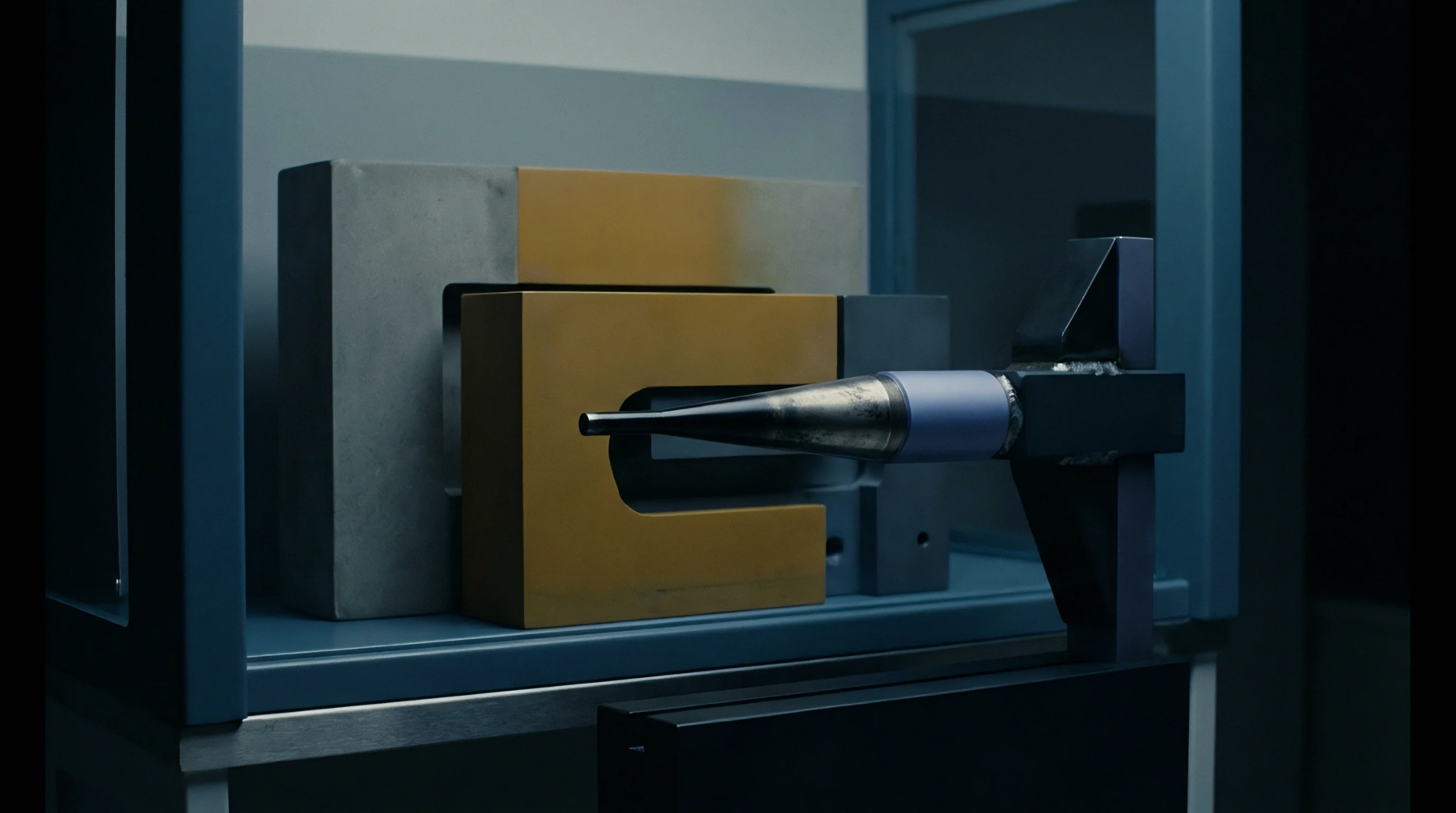
Metrologists verify these conditions by traversing a probe along the feature axis while recording height changes relative to an absolute datum. Data points collected during the traverse allow the software to calculate a least squares fit or a minimum zone line. Every audit requires the environmental temperature to remain stable to prevent false readings derived from thermal drift in the measuring bridge.
Correct hardware alignment minimizes the risk of accepting a component that drifts outside the permissible design limits.
Geometric Constraint
Tolerance requirements dictate the maximum permissible deviation allowed for a given application. Rigid parts with long spans require tighter controls because small angular shifts propagate into significant displacement at the component ends. Strict adherence to these limits ensures functional alignment between interacting machine elements.
Low tolerance values necessitate specialized grinding or lapping stages to remove final surface inconsistencies.