Meaning
Personnel assigned to secondary operational units execute specialized assembly tasks following the initial configuration of a production line. A second-line builder performs adjustments on sub-assemblies that deviate from standard tolerances before the final product reaches the primary inspection gate. This role maintains output continuity by diverting non-conforming items into a parallel stream rather than halting the entire sequence for minor rectifications.
These workers hold the technical authority to decide whether a component requires rework or immediate scrap disposal.
Production Logic
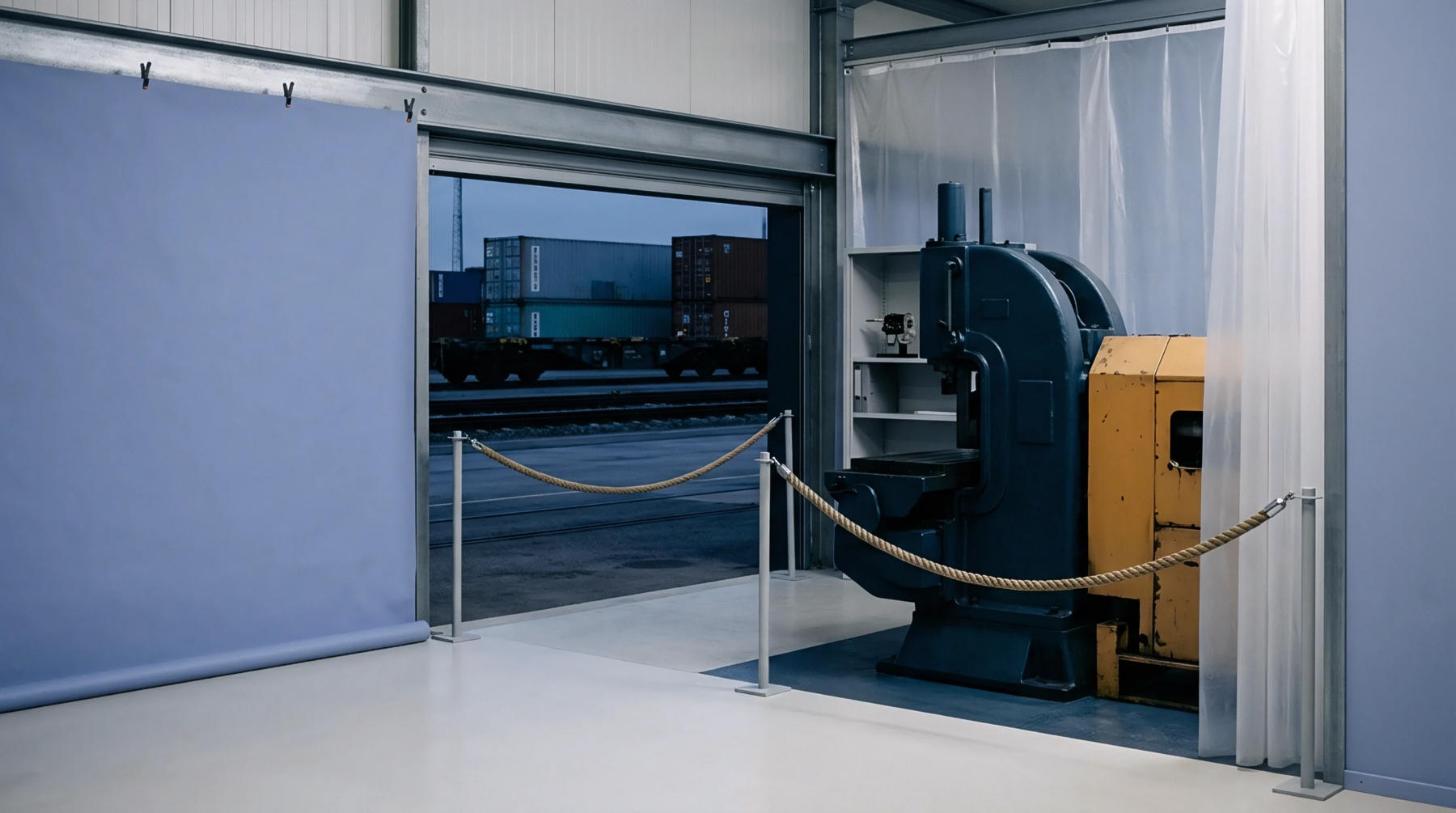
Operational stability depends on the clear demarcation between primary throughput and secondary intervention zones. A second-line builder works within a dedicated containment area where the equipment lacks the speed of the main line but possesses the precision for manual calibration. Managers calculate the cost of this position by comparing the wages of skilled technicians against the lost revenue of discarded goods.
Constant feedback loops connect these stations to the initial assembly team to prevent repeated defects.
Resource Allocation
Capacity constraints determine when a facility establishes these auxiliary units to support peak output schedules. The presence of a second-line builder signals that the production process expects a predictable level of variance that exceeds the automated tolerance of the primary assembly tools. Efficiency experts define the effectiveness of these units by the percentage of recovered items that successfully pass final quality audits.
Adding this layer introduces a buffer that prevents the main conveyor from becoming a bottleneck during high-volume periods.
System Evaluation
Audits of these positions focus on the mean time to repair individual units compared to the cycle time of the main line. A second-line builder occupies a position that requires rapid diagnostics to ensure that sub-assemblies rejoin the main flow without creating significant backlogs. Records of parts handled by this station indicate the underlying stability of upstream automated processes.
Over-reliance on this function suggests a persistent mechanical degradation that manual intervention can only mask temporarily.