Meaning
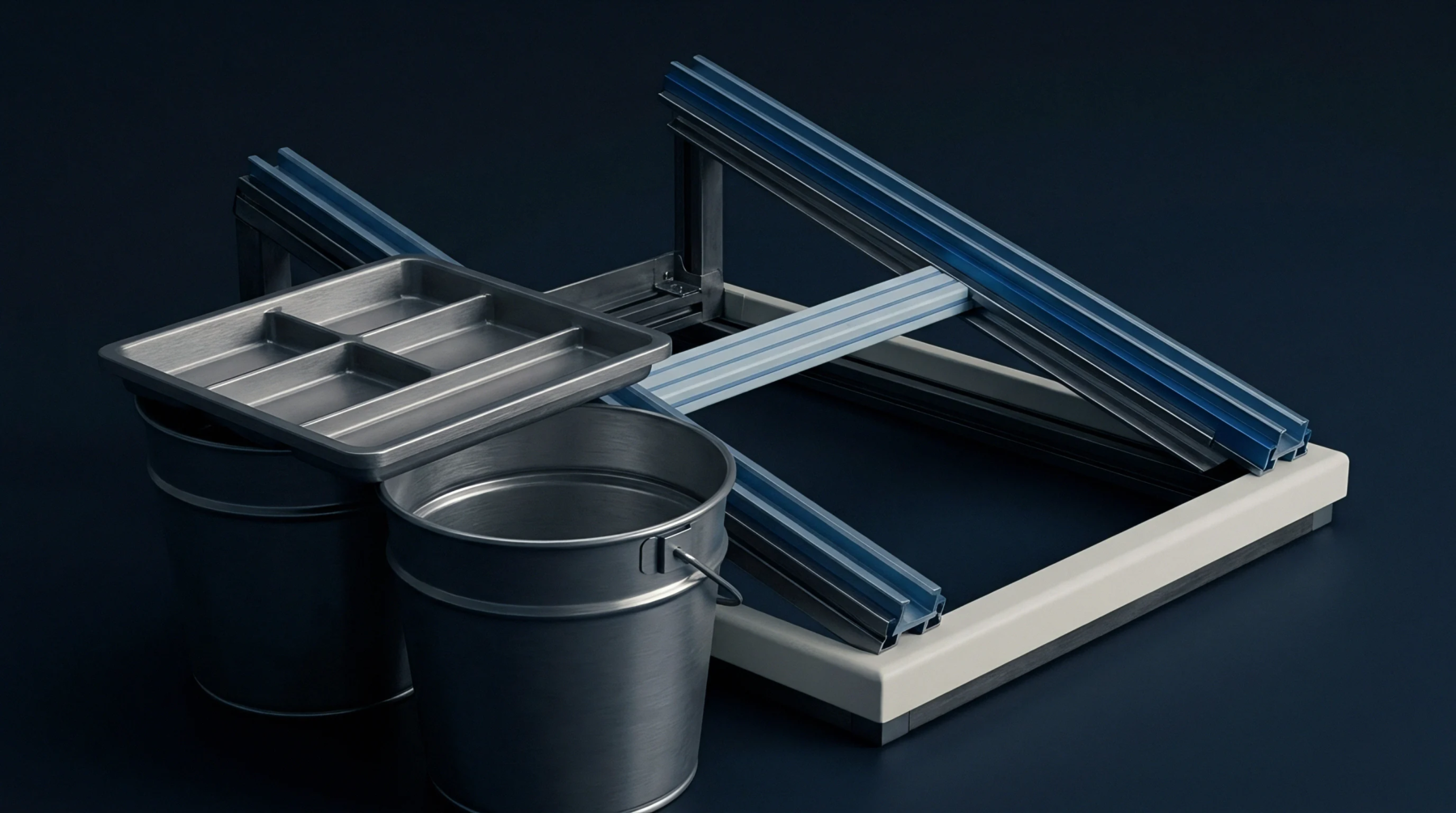
Industrial waste management defines the systematic procedures used to separate different categories of manufacturing waste at the point of origin. Production teams use scrap segregation protocols to prevent the cross-contamination of metals, plastics, and hazardous materials before salvage or disposal. The process applies across the entire manufacturing floor from initial machining to final product finishing.
Material Sorting
Physical separation techniques categorize materials based on chemical composition and recycling value. Workers use labeled collection bins and automated sensor sorting to separate aluminum, steel, and titanium chips. This systematic sorting maximizes the recovery value of the waste and prevents the degradation of recycled batches.
Quality Assurance
Auditing runs measure the purity of sorted waste streams by taking random samples from recycling bins and running spectral analysis to verify material composition. Inspectors verify that the segregation protocols are followed correctly on the production floor to ensure that the metal scrap meets the strict standards of secondary smelters. Allowing contaminated scrap to leave the plant without proper verification results in rejected shipments, lost salvage revenue, and severe financial penalties.
Environmental Compliance
Regulatory standards require detailed documentation of hazardous waste separation to prevent environmental contamination. Factories must track the storage, transport, and processing of chemical byproducts to prove compliance with safety laws. Proper execution prevents the release of toxic substances and protects the company from regulatory fines.