Meaning
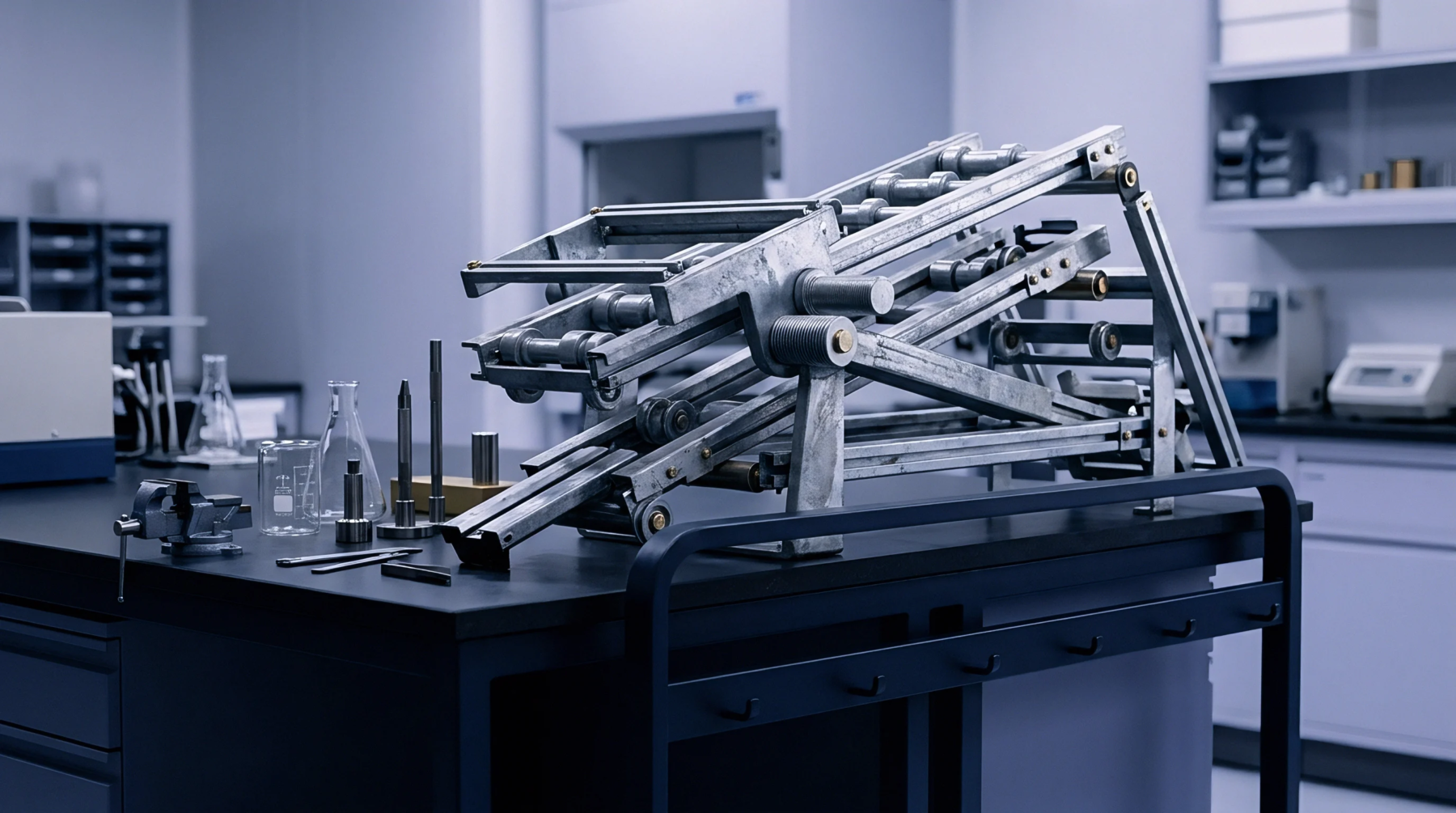
A mechanical restraint represents a boundary condition where structural movement is physically blocked at specific mounting points during fabrication. Operational tooling must account for restrained condition parameters before engineers clear a metal assembly for production runs. Thermal expansion forces concentrate heavily inside the joint whenever the assembly lacks freedom to shift.
Thermal Load
Temperature shifts create severe internal stresses across the constrained assembly because the material cannot expand naturally. Designers calculate these thermal loads during the prototyping phase to prevent premature cracking at the welded boundaries. A sudden shift in ambient temperature forces the constrained metal to absorb the entire mechanical energy internally.
Tooling Calibration
Assembly fixtures must hold exact tolerances so the locked components align properly without inducing permanent deformation before welding begins. Technicians verify fixture calibration using laser measurement tools prior to locking the clamps on the production line. Early release from the fixture results in springback errors that invalidate the final part geometry.
Cost Analysis
Prematurely declaring a production run ready without validating joint boundaries risks catastrophic failure during destructive physical testing. Scrap rates escalate rapidly when the manufacturing process fails to accommodate the rigid geometry of the clamped assembly. Capital expenditure rises significantly when engineers must redesign production tooling after initial prototype lots fail stress evaluations.