Meaning
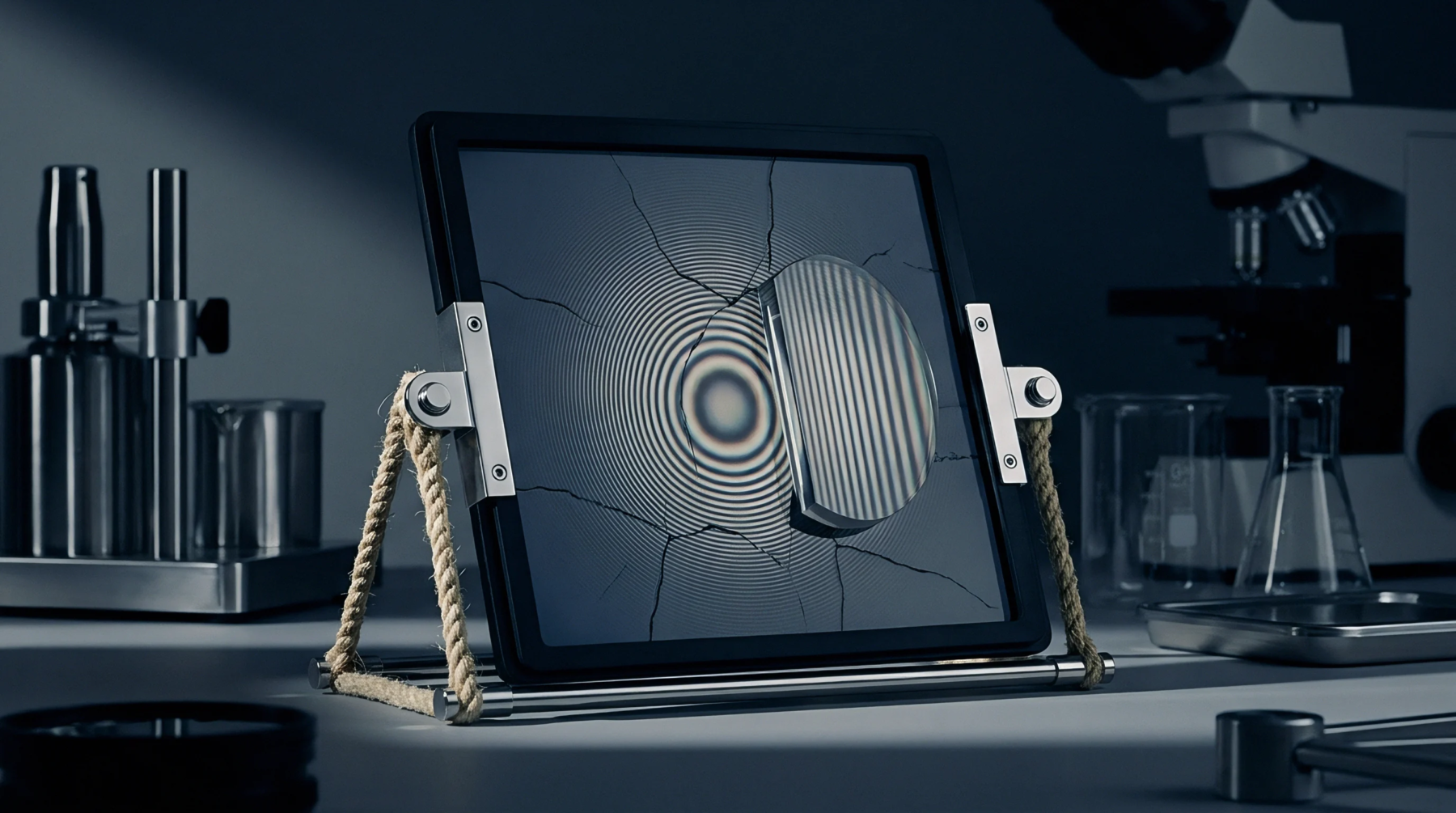
Technique of aligning the optical properties of two adjacent materials minimizes reflection and scattering at their shared boundary. This process involves using a liquid, gel or adhesive that shares the same refractive index as the glass elements being joined. Reducing these interface losses improves the total light transmission through the system.
Boundary Reflection
When light transitions between materials with different optical densities, a portion of the energy is reflected back. Implementing refractive index matching eliminates this transition zone, allowing the light to pass through as if the boundary did not exist. This reduction in stray reflections is essential for preventing ghost images in complex lens assemblies.
Material Selection
Choosing the correct matching medium requires evaluating both the refractive index and the dispersion properties of the glass. The index must match across the entire operating temperature and wavelength range to remain effective. If the matching medium degrades or changes color over time, the optical performance of the assembly will deteriorate.
Application Scenario
Fiber optic splices and connections rely on index-matching gels to reduce signal loss and backreflection at the joints. This practice ensures that high-speed communication networks maintain high signal integrity over long distances. In biological imaging, researchers use index-matching fluids to clear tissues, which allows deeper penetration of microscope light.
This step enables the scanning of thick specimens without the scattering that normally occurs in heterogeneous structures.