Meaning
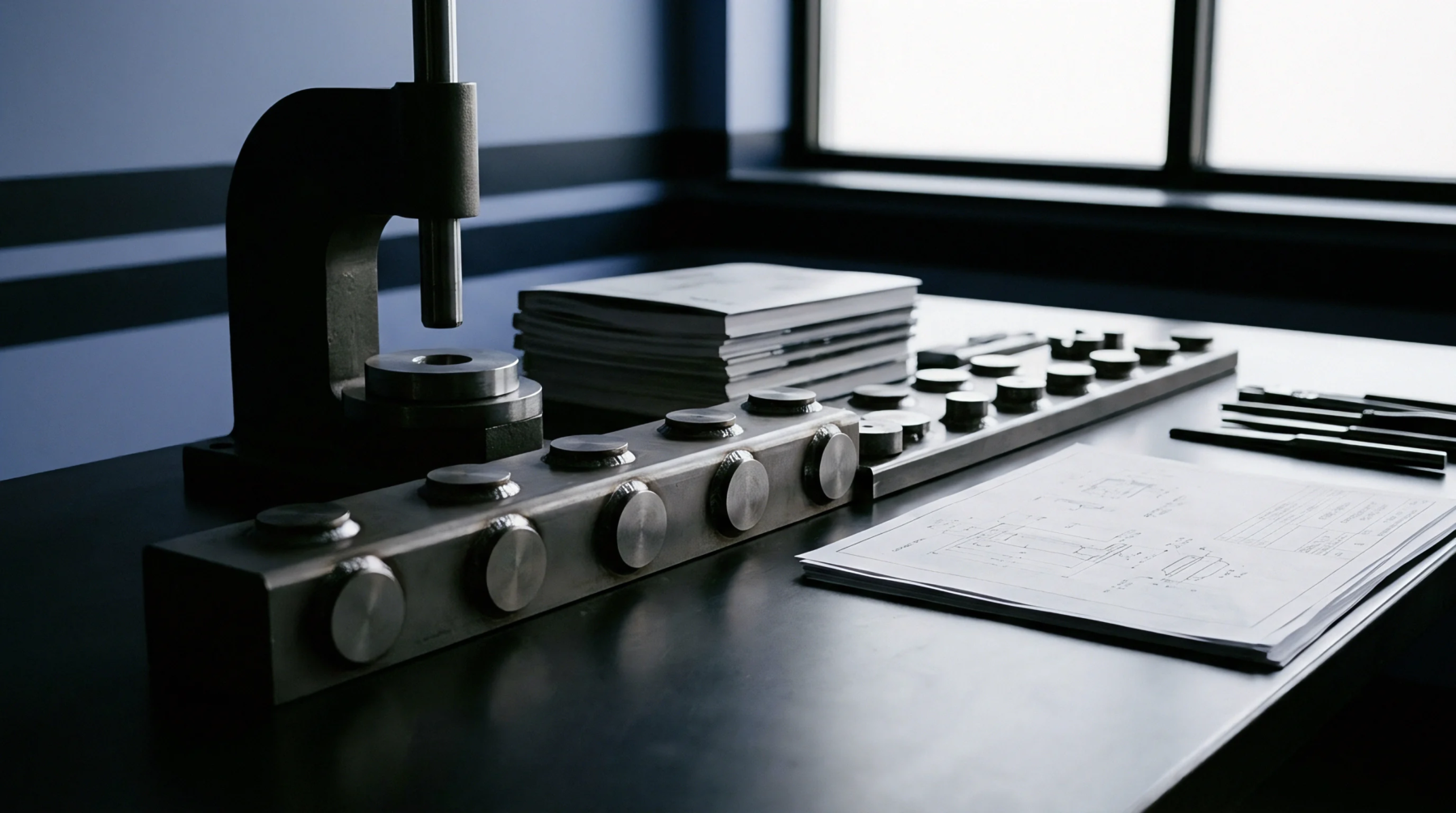
Severe form of adhesive wear involves the localized welding and subsequent tearing of material from the workpiece onto the tool surface. When punch galling occurs, the transferred metal creates a lump that scratches every subsequent part and increases the force required for the return stroke. This condition typically arises when the lubricant film fails under the high pressures and temperatures of the blanking process.
Surface Damage
The initial transfer of material often starts at the corners where the contact stress is highest. As the lump grows, it changes the geometry of the tool and leads to dimensional errors.
Material Compatibility
Certain metal combinations, such as stainless steel against tool steel, are more prone to this type of bonding. Using specialized surface treatments like physical vapor deposition can create a barrier that is less likely to react with the workpiece. Selecting the correct tool material is a primary strategy for reducing the frequency of punch galling in high-volume production.
Hardness alone is not enough to prevent the problem, as the chemical affinity between the two sliding surfaces dictates the likelihood of the initial weld.
Lubrication Strategy
High-pressure additives in the stamping oil provide a chemical layer that stays intact even when the liquid film is squeezed out. These additives react with the metal surface to form a sacrificial layer that prevents the punch and workpiece from welding together. Maintaining the correct concentration of these chemicals is necessary for the long-term stability of the process.