Meaning
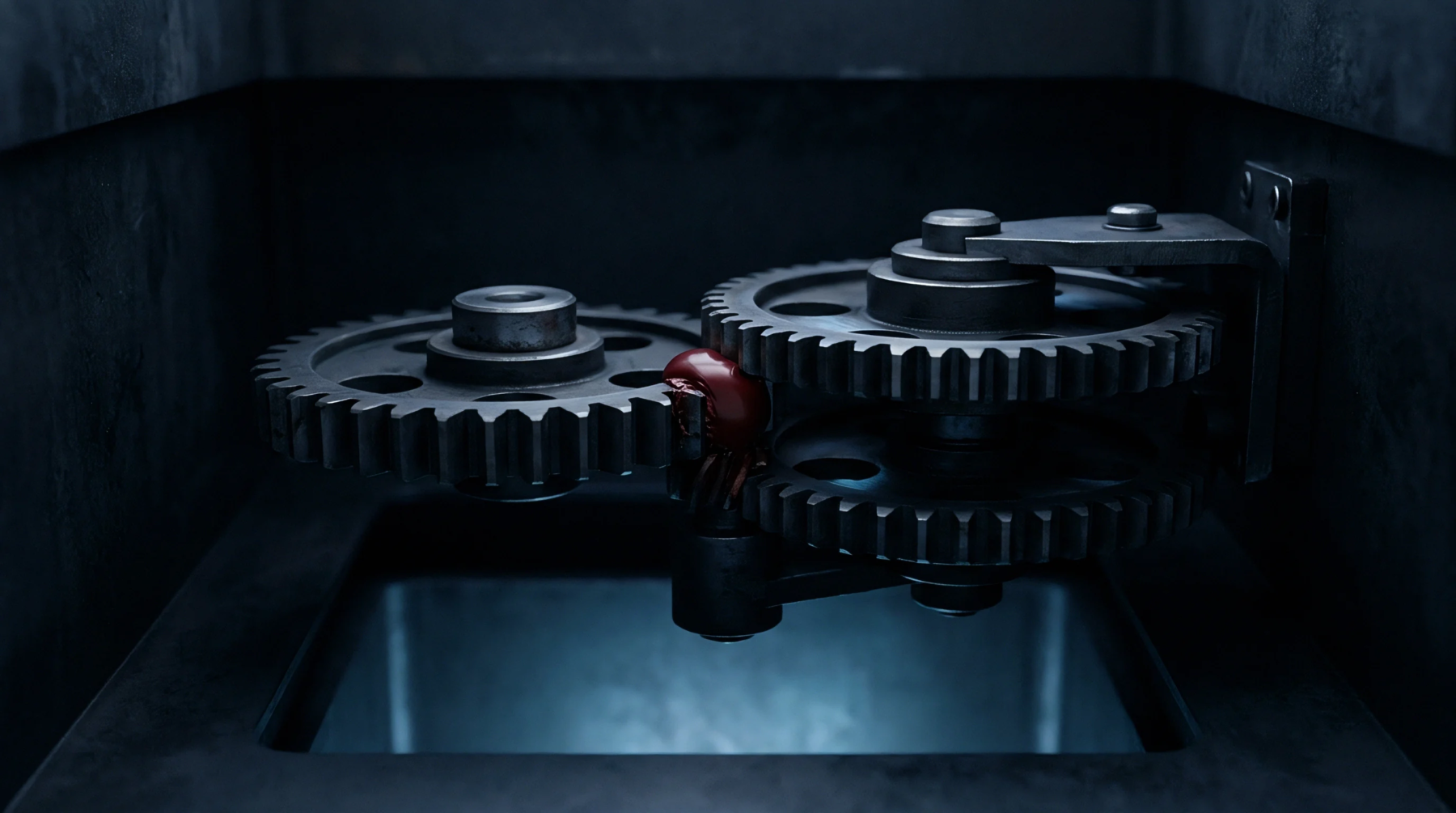
Mechanical systems experience a condition where more constraints are applied than are necessary to locate a part in space. A phenomenon described as overconstraint occurs when multiple features or fixtures attempt to restrict the same degree of freedom. It often leads to internal stress or deformation of the part.
Designers strive for a kinematic mount where exactly six degrees of freedom are constrained to ensure a stable position.
Assembly Stress
Forcing a part into a fixture that is too tight can lead to permanent damage. The overconstraint creates a situation where the part must bend to fit the pins. This distortion invalidates the measurement of the part in its free state.
Kinematic Design
A properly constrained part relies on a specific number of contact points to fix its orientation. If a fourth point is added to a three point plane, the part will rock unless the surfaces are perfectly flat. In the real world of manufacturing, such perfection is impossible to achieve.
This overconstraint makes it difficult to determine which points are actually in contact during a measurement. Engineers use slotted holes or flexible mounts to absorb variations in the workpiece. By allowing for slight movements in non critical directions, the design avoids the buildup of unnecessary forces.
This approach ensures the part returns to the same position every time.
Tolerance Conflict
Geometric dimensions must be calculated to avoid fighting against the fixture. The presence of overconstraint usually indicates a flaw in the datum strategy or the manufacturing plan.