Meaning
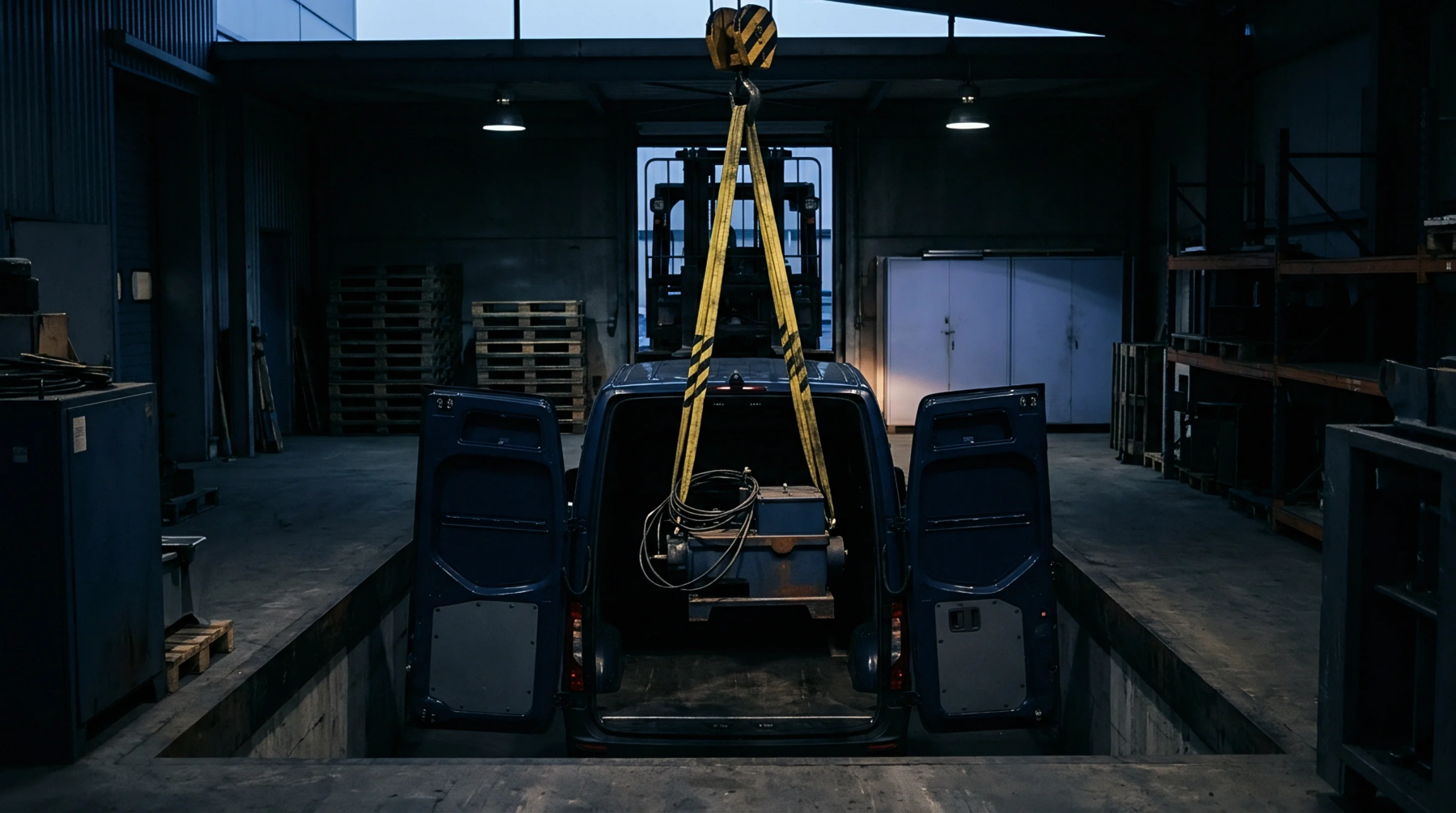
Operational transition phase translates a verified laboratory or pilot process into a high-volume commercial production system. This shift requires the redesign of chemical or mechanical steps to suit larger vessels and faster machinery. In industrial planning, manufacturing scale up begins after prototype approval and ends when the factory reaches its target daily output.
Volume Transition
Increasing production volume changes the physical behavior of materials, from heat transfer rates to fluid dynamics in mixing tanks. A recipe that works perfectly in a small beaker may overheat or separate when processed in a thousand-liter vat. This change requires careful modeling and pilot runs before investing in full-sized factory equipment.
Equipment Replication
Procuring larger machinery or setting up parallel production lines represents a major capital expenditure. During manufacturing scale up, engineers must choose between building bigger single reactors and duplicating smaller, proven units. The choice determines not only the initial startup cost but also the long-term flexibility of the plant to handle demand fluctuations.
This decision must balance immediate funding constraints against future maintenance overhead and the ease of sourcing replacement components under tight operating schedules.
Yield Maintenance
Retaining product quality at high volumes is the primary measure of a successful expansion. Scaling up too early, before the chemistry is fully understood, often leads to high scrap rates and wasted raw materials. Stable unit economics depend on achieving the same purity and strength at tons per hour as was achieved at grams per day.