Meaning
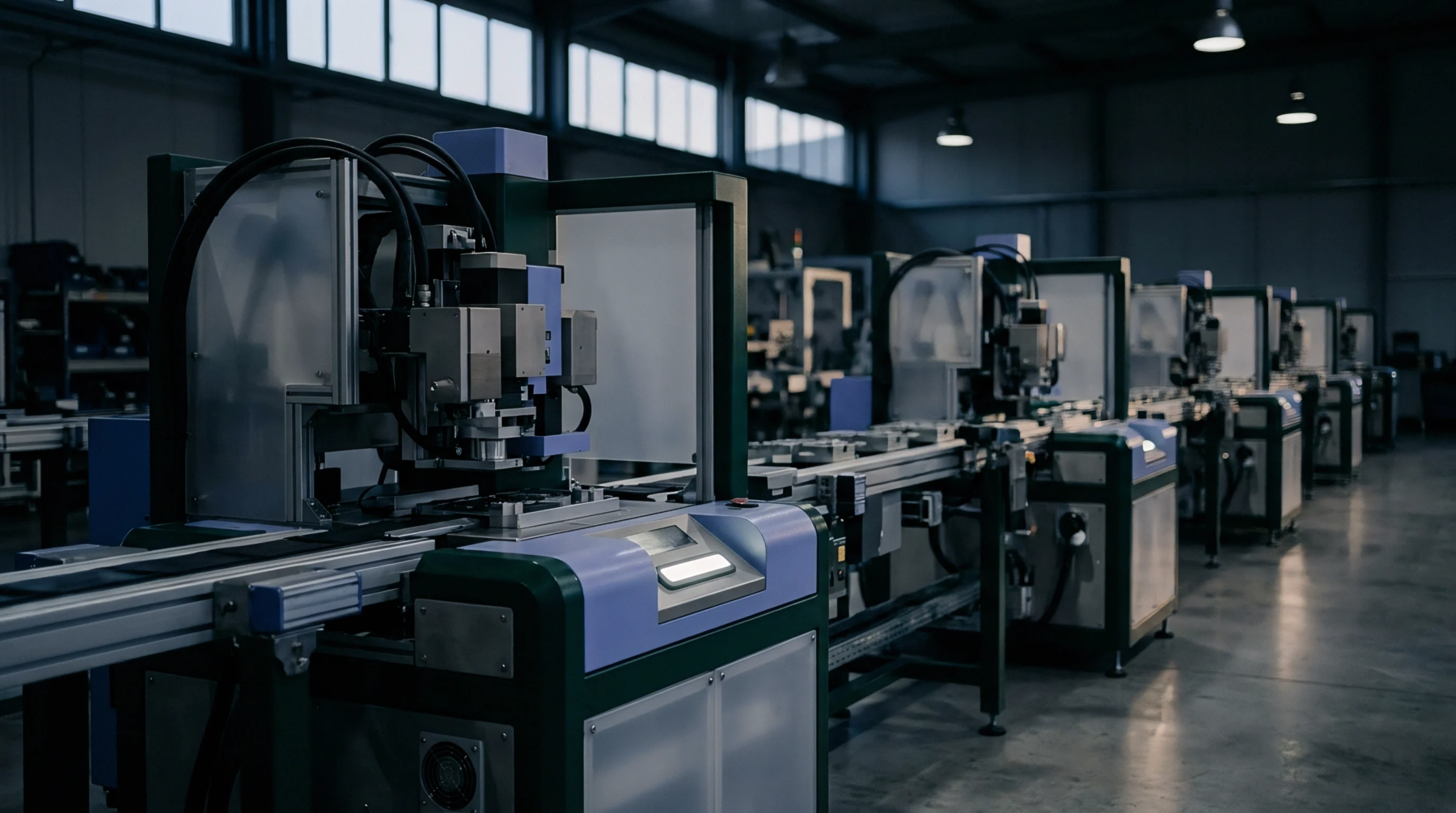
Fixed commercial tariffs charge buyers a defined fee per hour or per shift to hold manufacturing capacity open, irrespective of actual unit output produced. Contract manufacturing plants apply a machine reservation rate to compensate for idle machine time, overhead and depreciation when lines stand ready for scheduled production. The rate decouples equipment availability costs from consumable component expenses and variable labour outlays.
Its application ceases once the machine begins running billable production volume, where standardized piece-part pricing or direct hourly processing rates supersede holding fees.
Holding Mechanics
Factory balance sheets require continuous cost recovery for capital equipment regardless of whether production runs are active or delayed. The machine reservation rate secures access to specialized fabrication equipment, surface mount technology lines or high-tonnage stamping presses against competing client jobs. When a client encounters an upstream component delay or halts production for engineering redesigns, the reserved line remains unavailable to alternative work.
Charging a fixed holding rate ensures the manufacturer covers amortized capital depreciation, bay floor allocation and base utility overhead. Factory scheduling software automatically activates reservation tariffs the moment an allocated production window opens, continuing until raw materials load into the feeder.
Pilot Scheduling
Product development teams face severe scheduling friction when booking scarce serial production equipment for low-volume engineering trial runs. Production managers apply the machine reservation rate to developmental runs to discourage engineering teams from monopolizing high-throughput factory lines without adequate preparation. Pilot validation requires extensive setup, frequent parameter tuning and prolonged idle observation intervals that destroy normal factory yield metrics.
Charging for bay availability forces project managers to complete design validation testing on offline test benches before commanding high-value serial machinery. This pricing structure protects factory throughput targets while guaranteeing developmental programs access to serial manufacturing conditions when properly prepared.
Default Vulnerability
Contracting for dedicated equipment access without realistic volume forecasts exposes buyers to massive holding fees on unutilized factory capacity. If design validation stalls, accumulated machine reservation rate charges rapidly drain project launch budgets without yielding a single shippable production unit. Conversely, manufacturers that set holding rates below true opportunity cost lose money when they turn away profitable third-party work for an inactive line.
Accurate baseline cost modeling must incorporate equipment depreciation, plant overhead allocations and technical support standby costs. Precise definitions of standby readiness prevent disputes over whether an idle machine was truly capable of running parts during the billed reservation window.