Meaning
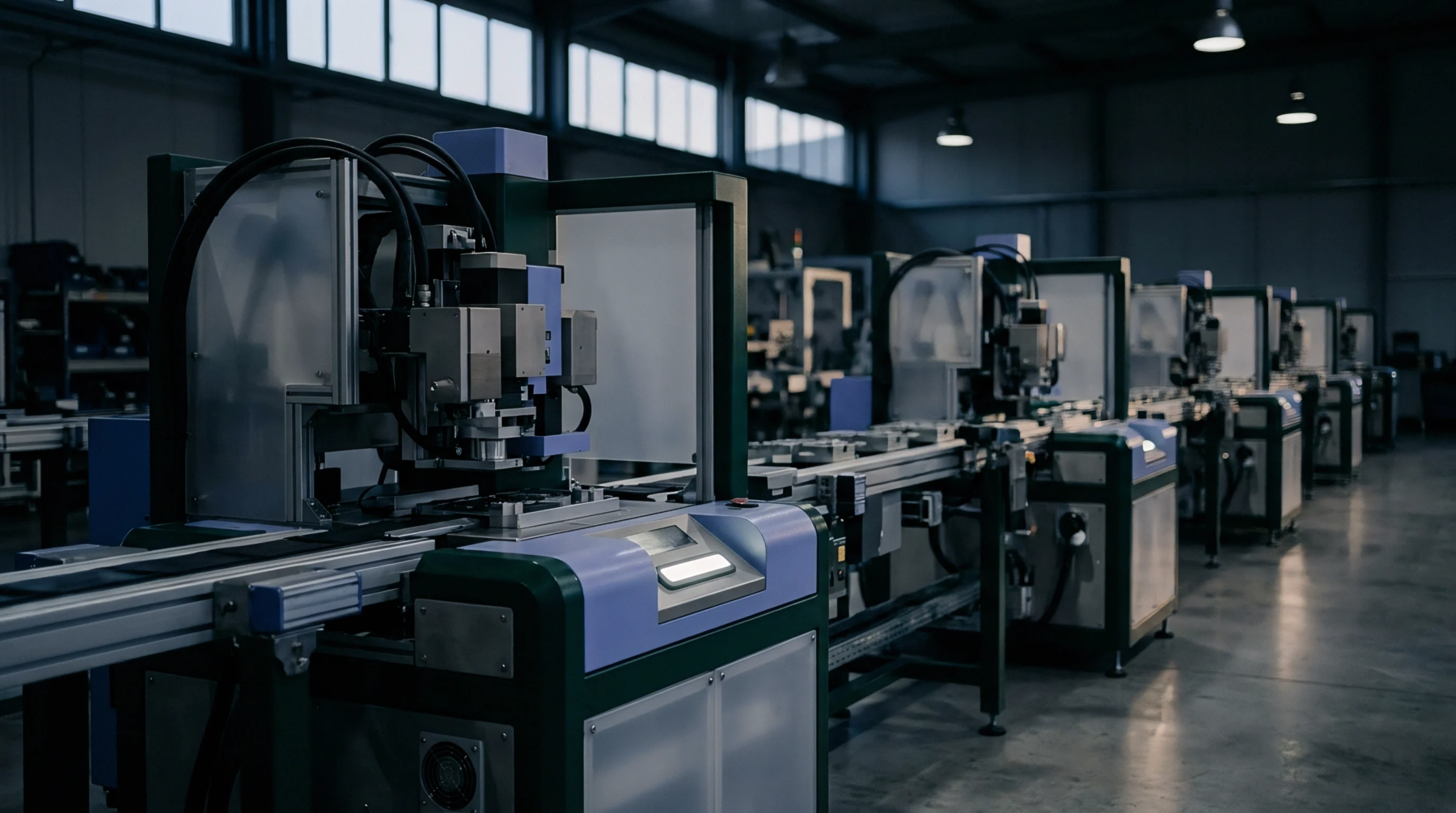
Automated electronic data collection architecture captures real-time sensor measurements, operating states and performance parameters directly from industrial production equipment. Modern industrial facilities deploy line telemetry to monitor machine health, process variables and cycle times continuously across every stage of fabrication. The data stream converts physical machine actions into structured electrical signals without manual technician intervention.
Its authority stops at the digital interface boundary where raw sensor outputs transition into higher-level business planning and financial reporting applications.
Sensor Acquisition
Industrial sensors installed along machine pathways convert thermal readings, vibration frequencies, electrical current draws and mechanical pressure into high-frequency digital feeds. Continuous line telemetry streams these data points through programmable logic controllers into centralized shop-floor data historians. When a stamping press or surface-mount pick-and-place system drifts outside calibrated tolerances, the sensor system flags the anomaly within milliseconds.
Factory engineers use the resulting time-stamped profiles to detect subtle mechanical degradation long before physical parts display out-of-spec dimensions. High-speed network switches isolate these data channels from corporate networks to protect real-time processing from latency spikes and security breaches.
Ramp Diagnostics
Transitioning a product from pilot verification into full-scale commercial manufacturing requires deep visibility into micro-stoppages. During this phase, line telemetry exposes momentary feeder jams, slight tool misalignments and minor thermal spikes that escape notice during low-volume manual pilot runs. Standard pilot lots run too slowly to reveal how machines behave when cycled continuously at maximum speed.
By analyzing thousands of consecutive machine strokes, process specialists trace defect clustering to specific machine sub-assemblies or transient electrical fluctuations. The continuous data stream provides factual evidence of whether line capability meets statistical process control benchmarks before mass commercial sign-off occurs.
Operational Latency
Relying on raw instrumentation feeds requires rigorous filtering to avoid operational paralysis caused by sensor noise and false positive alerts. Poorly calibrated line telemetry pipelines flood control rooms with spurious warnings, leading operators to silence critical safety and quality alarms. Data sampling rates must balance real-time diagnostic needs against long-term storage and network bandwidth constraints.
When contracts tie commercial payments to machine uptime figures extracted from factory sensors, both buyer and manufacturer must formally audit the underlying calibration procedures. Unverified sensor arrays undermine trust, turning objective performance metrics into points of contractual dispute during yield-loss settlements.