Meaning
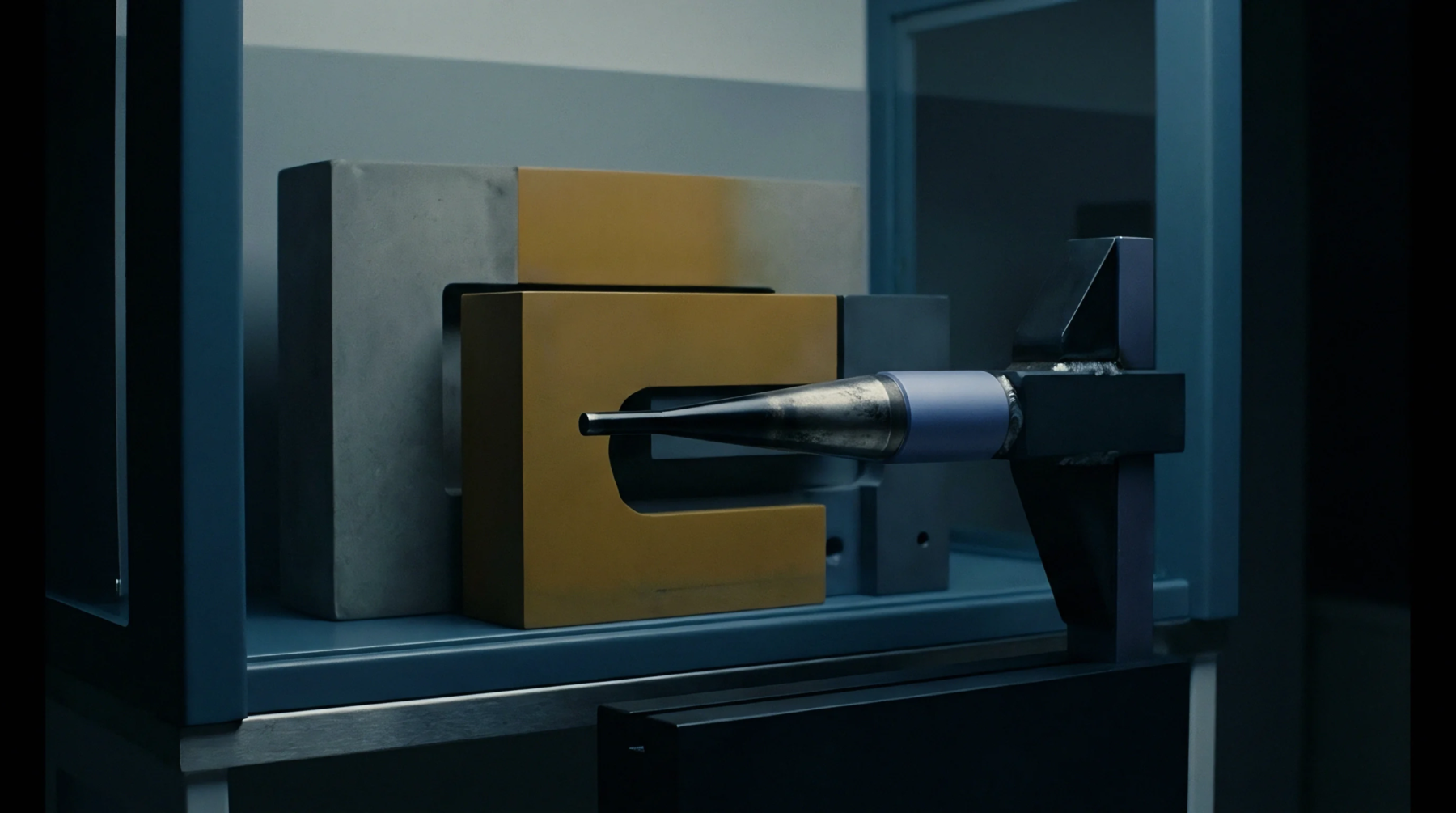
Mechanical registration ensures that two halves of a mold or die set meet with precision during the closing cycle. Proper leader pin alignment prevents lateral shifting that causes part defects or catastrophic tool damage. The physical constraint guides the moving platen into the exact position required for the cavity to seal.
Lateral movement stops at the point where the pin enters the bushing without excessive friction or binding.
Component Precision
Hardened steel shafts paired with matched bushings form the primary guidance system for the assembly. In high speed production, leader pin alignment maintains the concentricity of internal features like holes or bosses. Any deviation in these pins leads to uneven wall thicknesses in the finished product.
Wear Management
Repeated cycles eventually degrade the surfaces of the guiding elements through friction. Monitoring leader pin alignment during weekly maintenance cycles allows operators to identify uneven wear patterns before the tool fails. Replacing bushings early is a minor expense compared to the cost of recutting a damaged cavity face.
Lubrication must be consistent to prevent galling on these essential surfaces.
Tolerance Audit
Measurements taken at the pilot stage determine if the guidance system can handle the thermal expansion of a full production run. If the leader pin alignment shifts as the tool reaches operating temperature, the resulting flash on the parting line indicates a loss of capability. A demonstrated rate of success in the prototype phase relies on these pins staying within a few microns of their intended center.