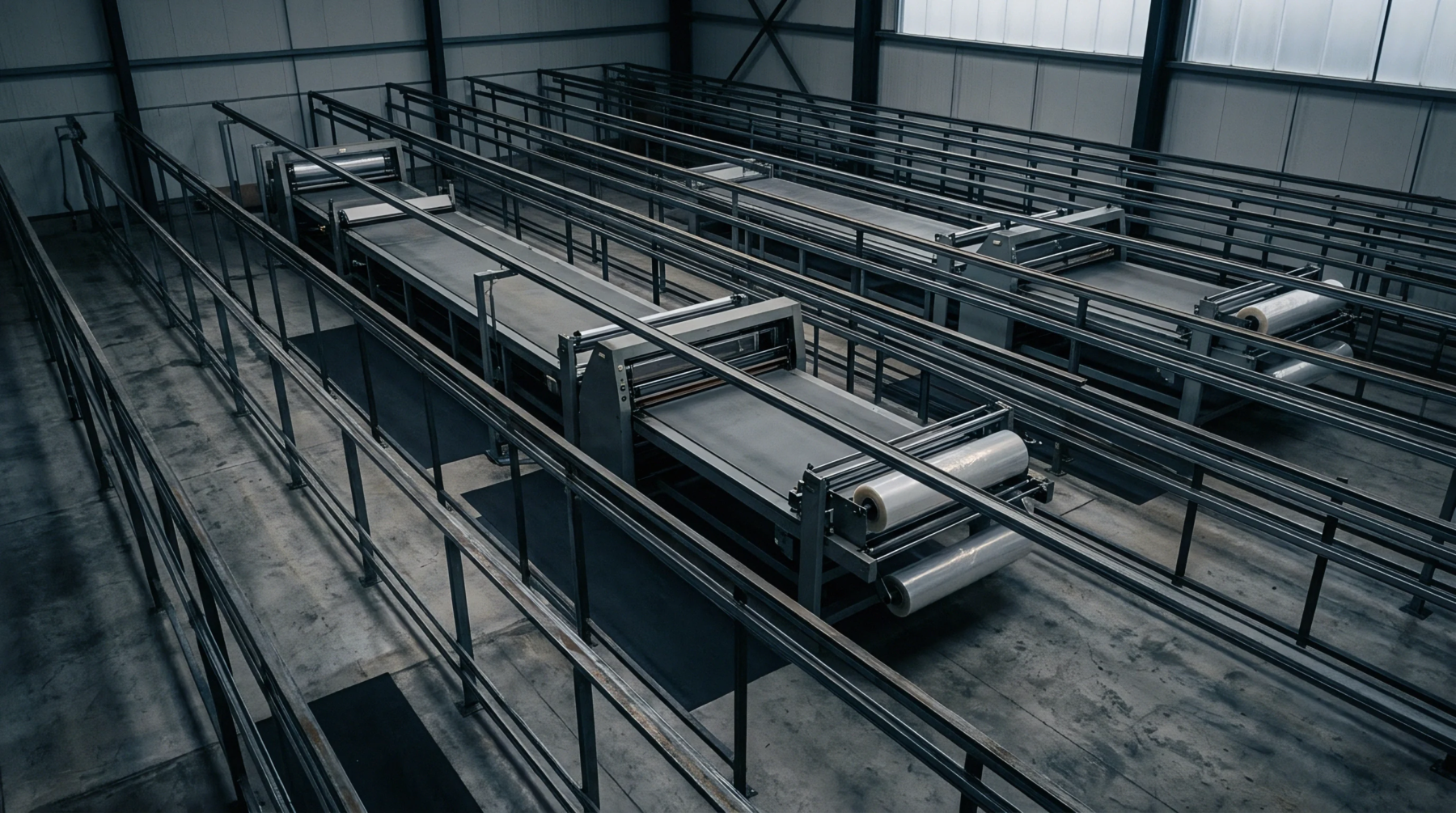
Meaning
The structural soundness and load-bearing capacity of a reinforced concrete ground floor determine the suitability of an industrial facility for heavy machinery or high-bay storage. This floor slab integrity ensures that the surface can withstand the static and dynamic forces exerted by operations. Any cracks, movement or surface wear can compromise safety and operational efficiency.
Industrial Safety
Warehouse operations depend on the floor remaining stable under extreme loads. A compromise in floor slab integrity can cause high-bay racking systems to lean or forklift trucks to tip over, creating severe workplace hazards. Regular testing with ground-penetrating radar and core drilling helps identify hidden voids below the concrete surface.
Remedial Repair
Fixing structural defects in a concrete floor is expensive and disruptive to daily business operations. The remedial repair must address the underlying soil conditions or structural reinforcement rather than just patching the surface. If the concrete has failed due to subsoil settlement, resin injection or underpinning may be required to restore the floor.
Capacity Assessment
Before installing heavy production lines, structural engineers must verify the maximum weight limits of the floor. This capacity assessment involves evaluating the concrete thickness, steel mesh reinforcement and the compaction of the underlying subgrade. An incorrect estimate of these variables can lead to catastrophic floor failure when the factory runs at full capacity.
This check is a critical part of the due diligence process for any manufacturing business leasing a new industrial assembly facility.