Meaning
An operational verification method, the field audit evaluates physical inventory, tool condition and direct labour practices inside working production areas rather than through administrative reports. Practitioners deploy this onsite inspection to answer whether factory floors match digital scheduling systems before dispatching orders downstream. The boundary of the assessment stops at financial accounting and tax compliance, leaving office ledgers untouched while focusing entirely on physical transformation steps.
Qualified inspectors verify machine setups against engineering blueprints and observe operators executing assembly sequences. Operations managers use the resulting discrepancy logs to prevent downstream bottlenecks and stockouts.
Floor Verification
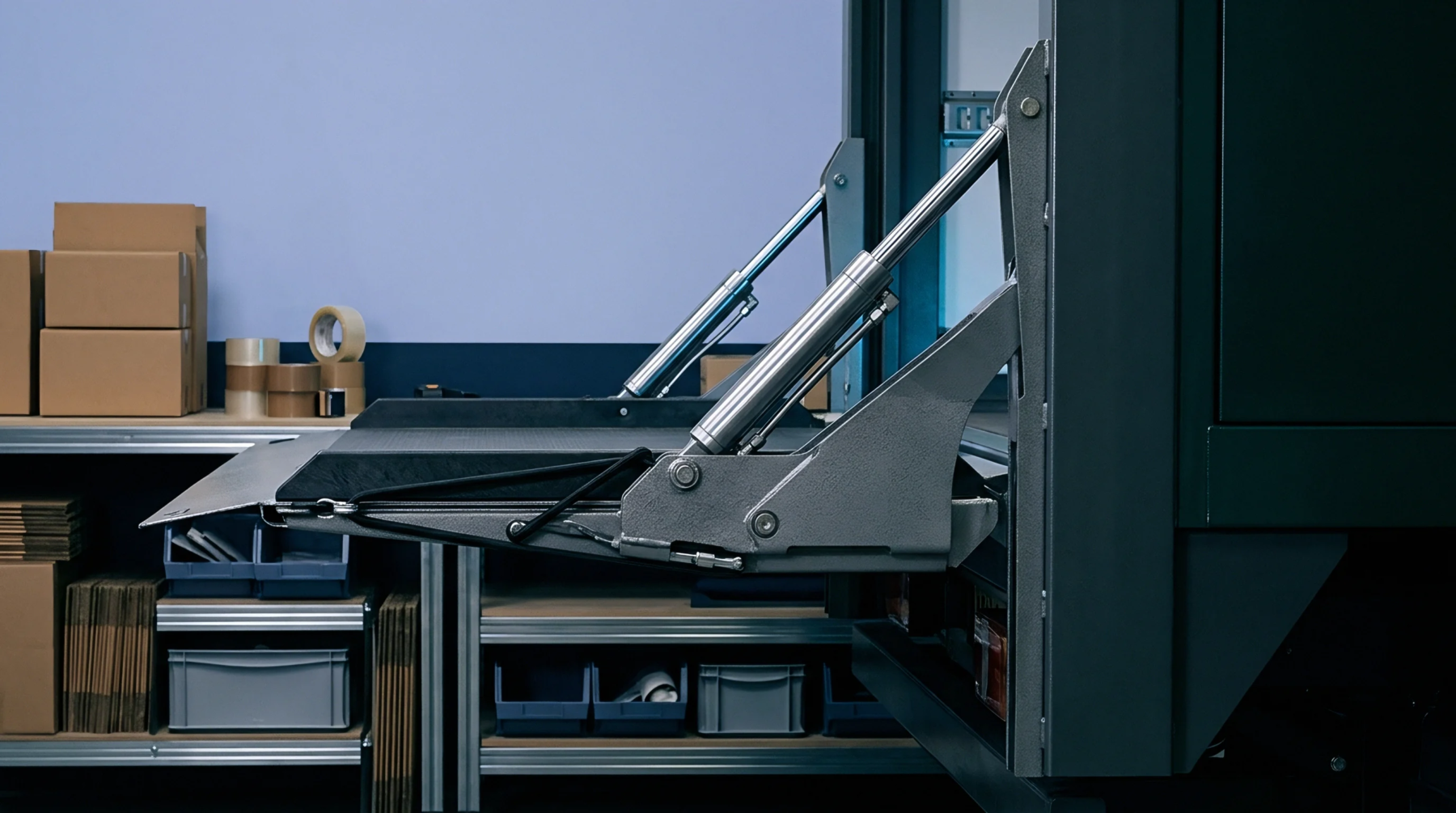
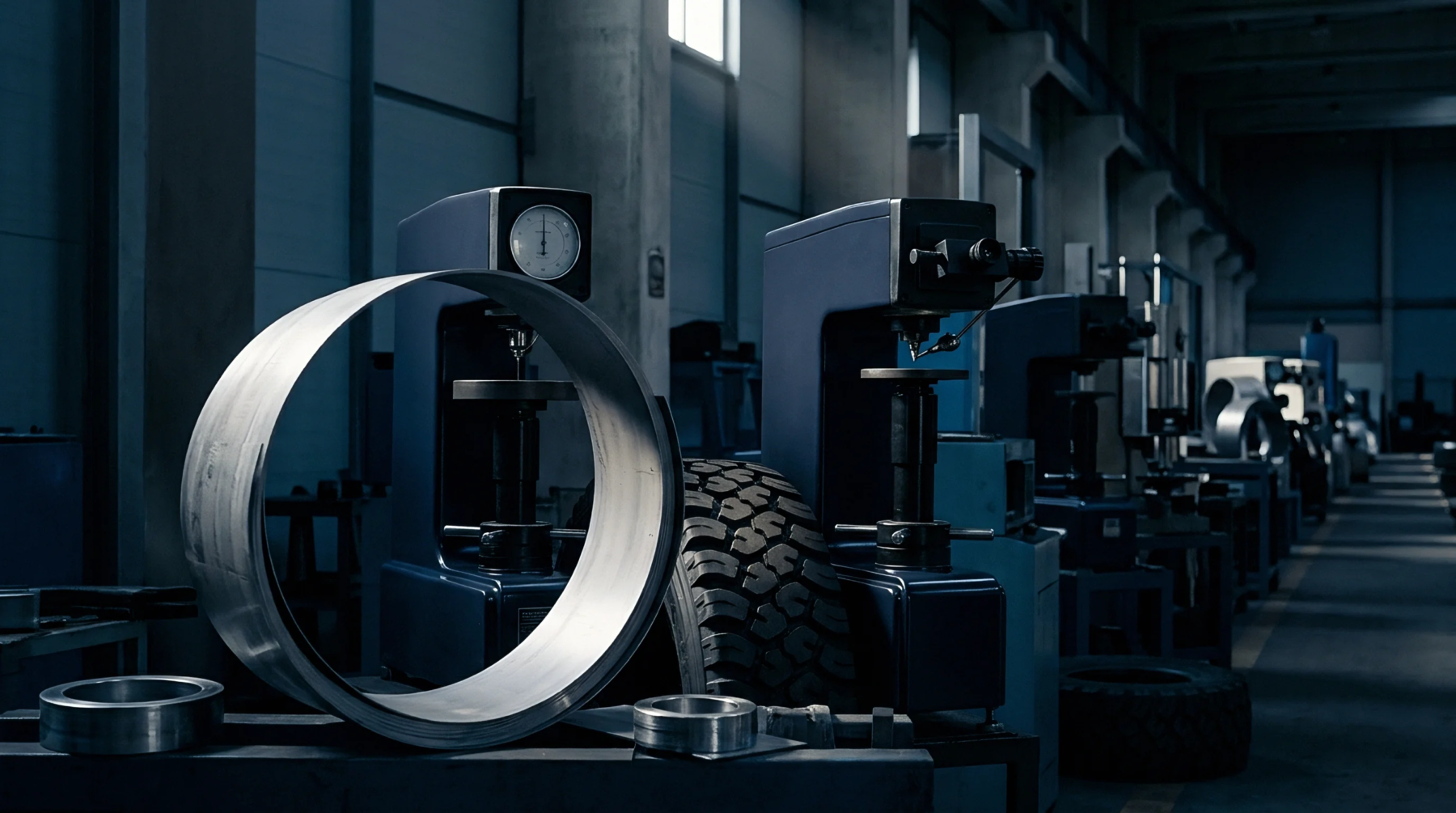
Confirming actual shop conditions requires physical sampling across active assembly lines rather than relying on enterprise resource planning records. Inspectors walk predetermined routes to tally raw material buffers and check calibration stickers on pressing equipment. Discrepancies emerge when warehouse balances indicate abundant sheet metal while local bins sit empty, signaling a broken replenishment trigger.
Gathering these variance counts takes hours of deliberate walking and manual tallying, exposing hidden waste before defective batches propagate further. Factory directors correct misaligned routing sheets immediately upon receiving these physical counts.
Yield Divergence
Production teams face severe financial loss when premature scaling outpaces verified capabilities on the shop floor. Operating without physical confirmation leads managers to confuse theoretical capability with actual manufacturing capacity during peak demand cycles. Pilot line results consistently overestimate assembly speed because small batches hide material handling friction that surfaces during volume runs.
Rushing past physical checks to chase higher production numbers generates scrap piles instead of sellable goods. Manufacturers recover lost margin only by halting output to reconcile machine settings with physical output realities.
Correction Protocol
Rebuilding operational stability demands structured intervention when physical discrepancies exceed predefined tolerance thresholds. Quality engineers analyze the root causes of inventory drift and assembly errors before authorizing line restarts. Technicians adjust sensor triggers and update workstation instructions to match physical constraints discovered during the physical assessment.
Supervisors retrain assembly crews on correct tooling procedures to eliminate operator variance across shifts. Permanent corrective actions close the gap between digital planning assumptions and physical factory realities.