Meaning
Scheduling production based on the output speed of the bottleneck resource ensures that work-in-process inventory does not build up uncontrollably on the shop floor. Within this methodology, drum-buffer-rope pacing utilizes the constraint as the drum that sets the beat for the entire factory. A protective buffer of work is maintained right before this constraint to keep it running constantly.
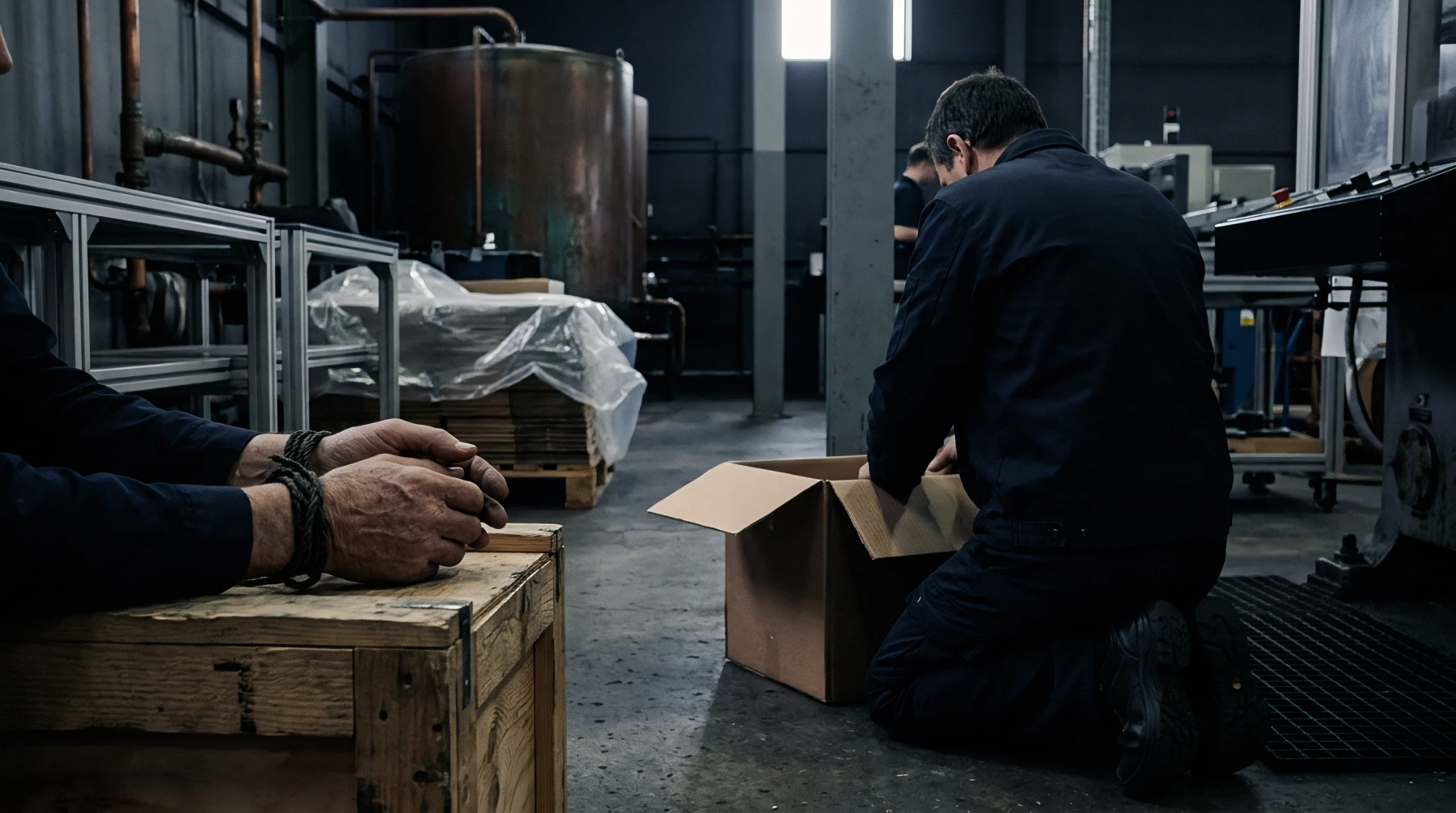
The rope represents the communication signal that releases raw materials into the system only when the constraint has completed a unit. This synchronization minimizes excess inventory and helps maintain a steady output.
Constraint Protection
Shielding the bottleneck from starved conditions is the primary goal of the buffer in this configuration. Since the constraint dictates the output of the whole system, any idle time at that machine is lost forever. Applying drum-buffer-rope pacing requires careful sizing of this buffer, usually measured in hours of work rather than physical units.
This buffer absorbs upstream disruptions and keeps the critical machine busy.
Release Mechanism
Preventing excess inventory from clogging the floor requires a strict release trigger tied directly to constraint output. Under drum-buffer-rope pacing, the rope acts as a pull signal. This mechanism prevents early release of materials.
Throughput Stability
Implementing this pacing method stabilizes the cycle time and increases the predictability of delivery dates. It prevents the local optimization of non-bottleneck machines from causing system-wide delays. Production runs smoother as a result.