Meaning
Financial provisions in tax codes permit companies to write off the cost of purchasing or improving long-term physical assets against their taxable profits. A capital expenditure deduction decreases the overall corporate tax burden by amortising these acquisition costs over several years. This mechanism does not apply to routine repairs or daily operational costs.
Asset Classification
The categorisation of acquired property dictates how quickly a firm recovers its investment. Industrial plant, machinery and permanent fixtures qualify under distinct schedules depending on their expected lifespan. Setting these categories too early in the planning stage can result in missed savings if the equipment fails to meet operational targets.
An asset must be fully operational before the tax benefit is claimed, and claiming before the asset is commissioned carries high audit risks that can lead to penalties from revenue authorities.
Production Readiness
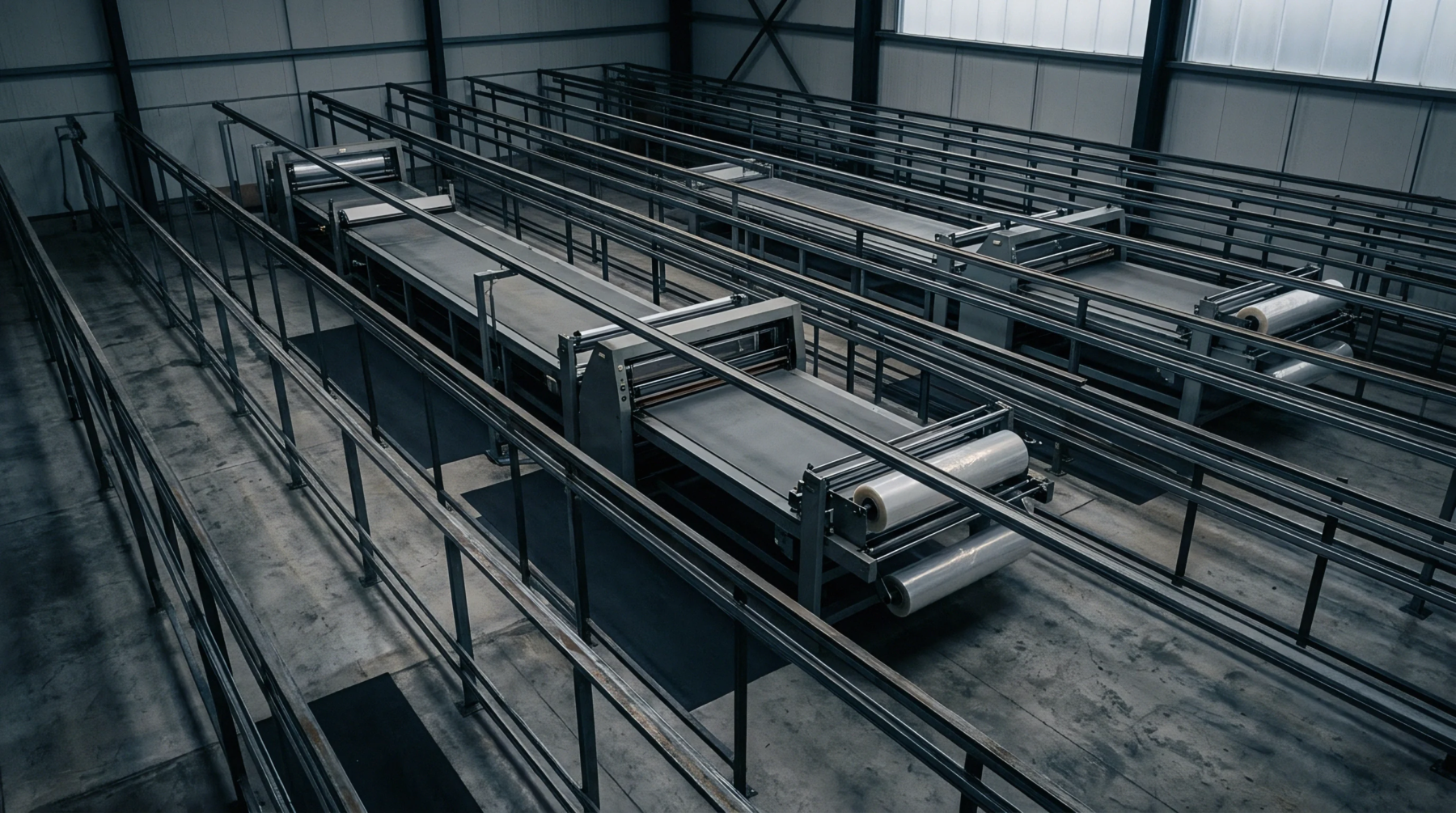
Verifying the tax status of plant machinery happens during the transition from pilot to volume output. In the ramp-up phase, the capital expenditure deduction helps justify the high cash outflow required for new assembly lines. Miscalculating this allowance increases the upfront cost of scaling up production.
Financial Impact
Corporate cash flow receives a boost when tax liabilities are deferred through depreciation schedules. High capital intensity sectors rely on these write-offs to fund their next expansion cycles. The timing of the deduction aligns the tax benefit with the productive life of the asset.