
Coupled Kinetic Rheological Heat Transfer Modeling for Exotherm Risk Prevention in Structural Mold Tooling
Coupled kinetic and rheological thermal modeling eliminates exotherm runaway by optimizing dwell profiles before mold tool fabrication begins.
Coupled kinetic and rheological thermal modeling eliminates exotherm runaway by optimizing dwell profiles before mold tool fabrication begins.
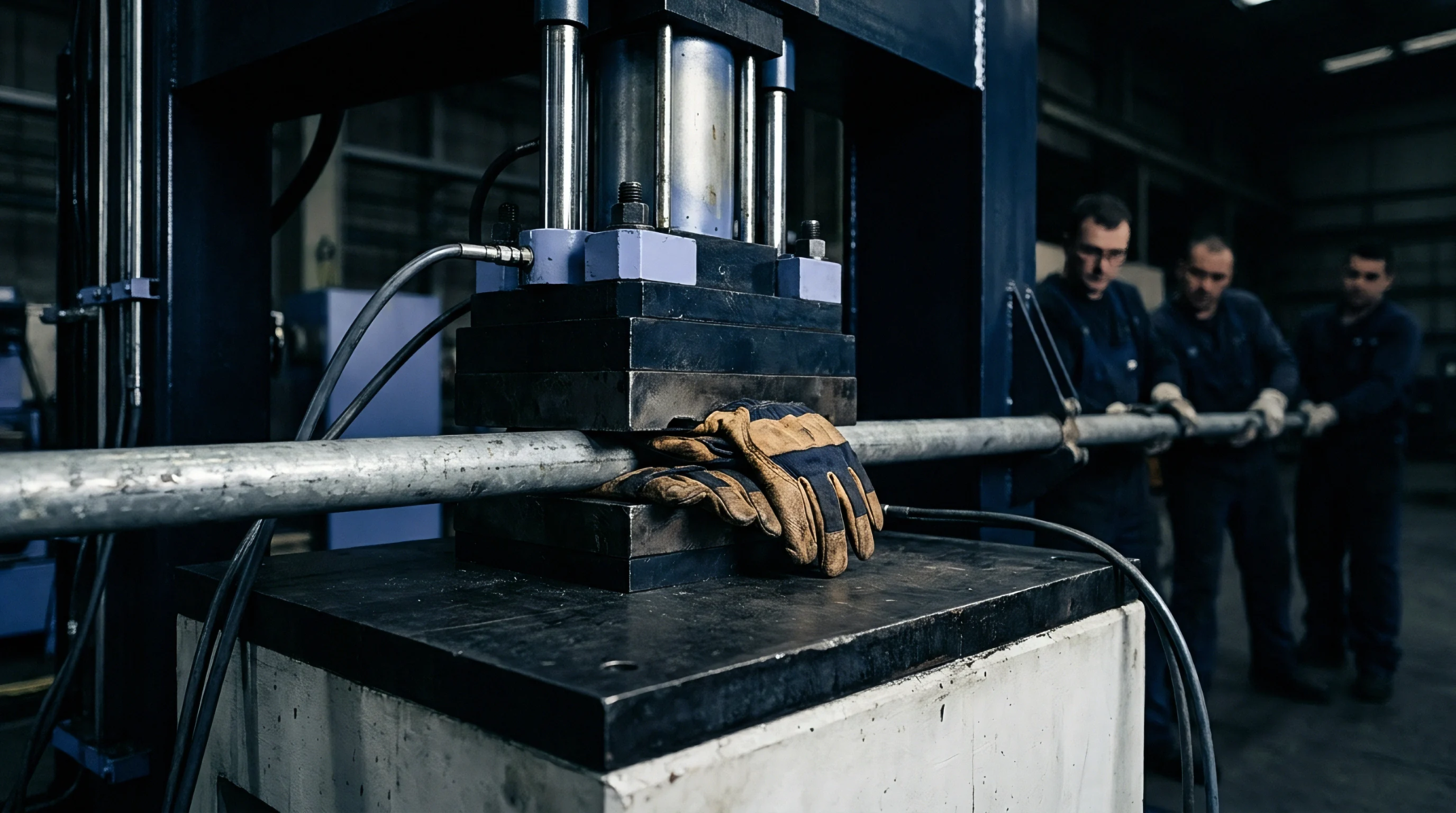
Matching heating ramp rates to internal thermal conductivity flattens core temperature spikes and prevents residual stress cracking in thick resin monoliths.

Viscoelastic fixture relaxation and structural thermal gradients govern measurement drift, requiring soak schedules derived from physical relaxation time constants.
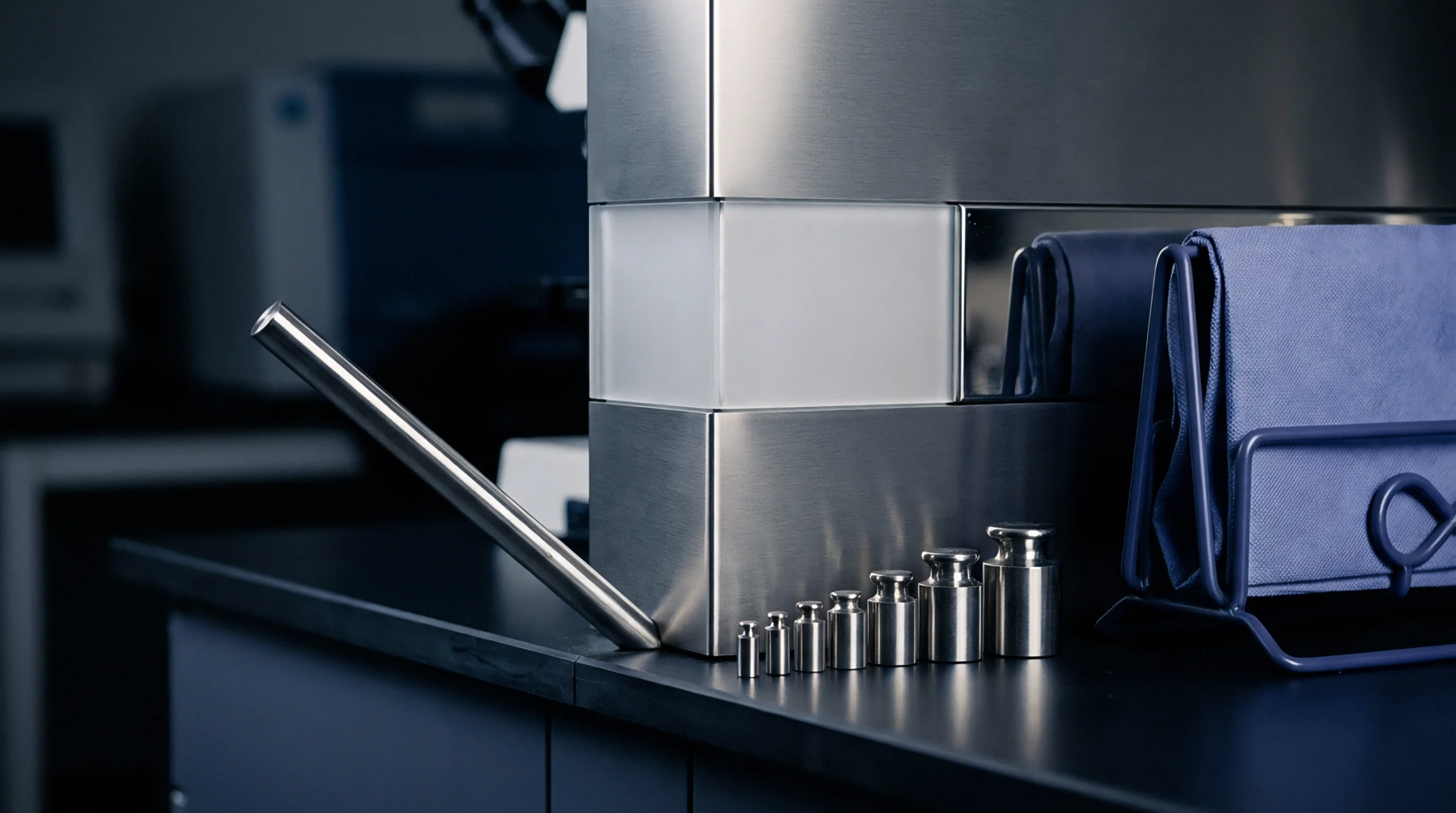
Precision flexible polymer metrology requires controlled thermal soak protocols and decoupled non-contact fixturing to eliminate thermal drift measurement errors.

Dynamic boundary layer control requires matching tool thermal diffusivity to cycle frequency to restrict heat penetration within two millimeters of the cavity wall.

Precision metrology of non-rigid polymers mandates volumetric thermal soak cycles matched to material diffusivity to eliminate dimensional heat error.
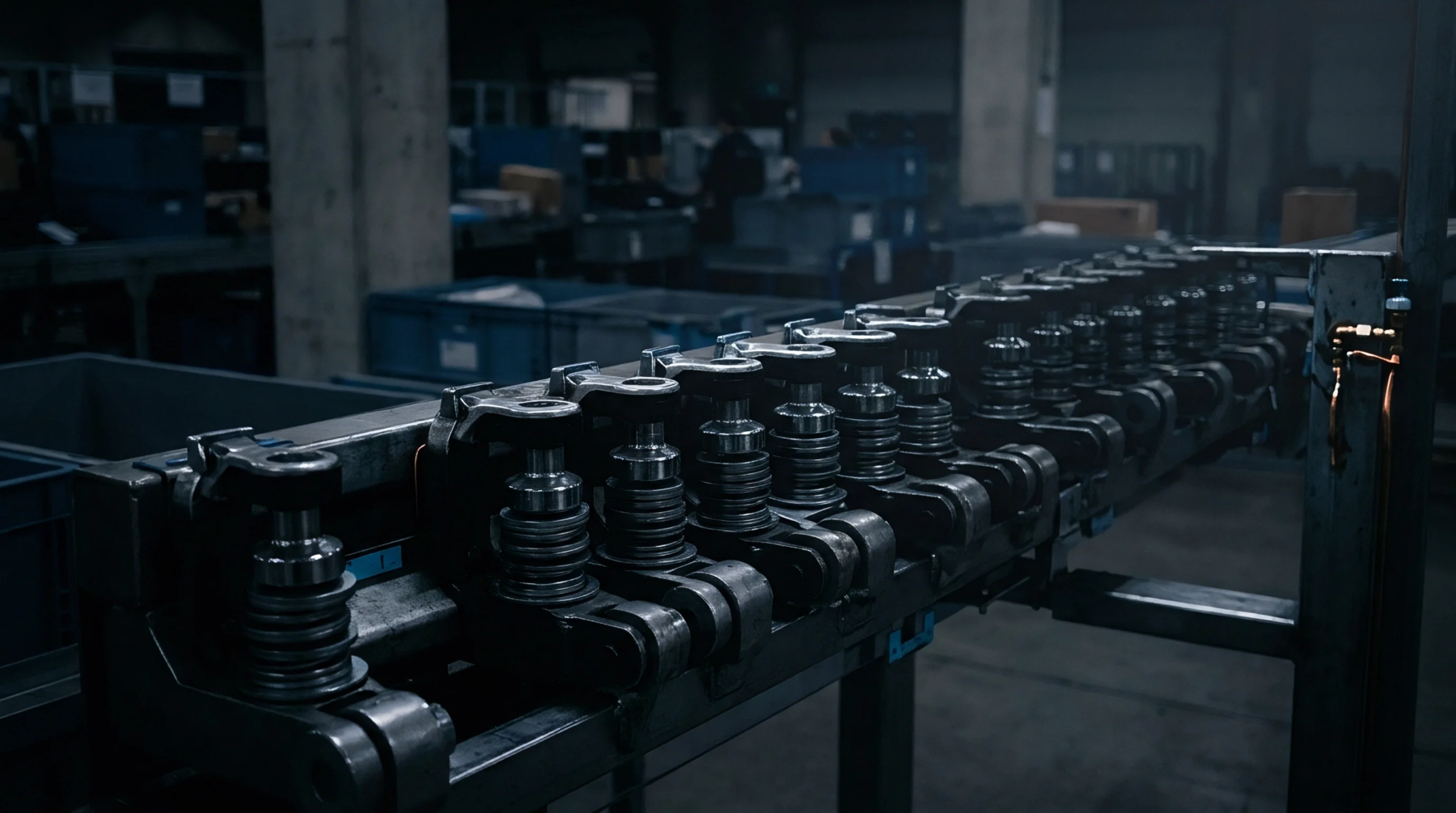
Uncompensated thermal non-equilibrium inflates baseline manufacturing process variance, distorting capability indices until thermal steady state is reached.
Expertise is a utility, not a secret. sentiention™ publishes its working knowledge as open reference: intelligence layer covering the materials it sources, the markets it enters, and the reference that serves both.