Meaning
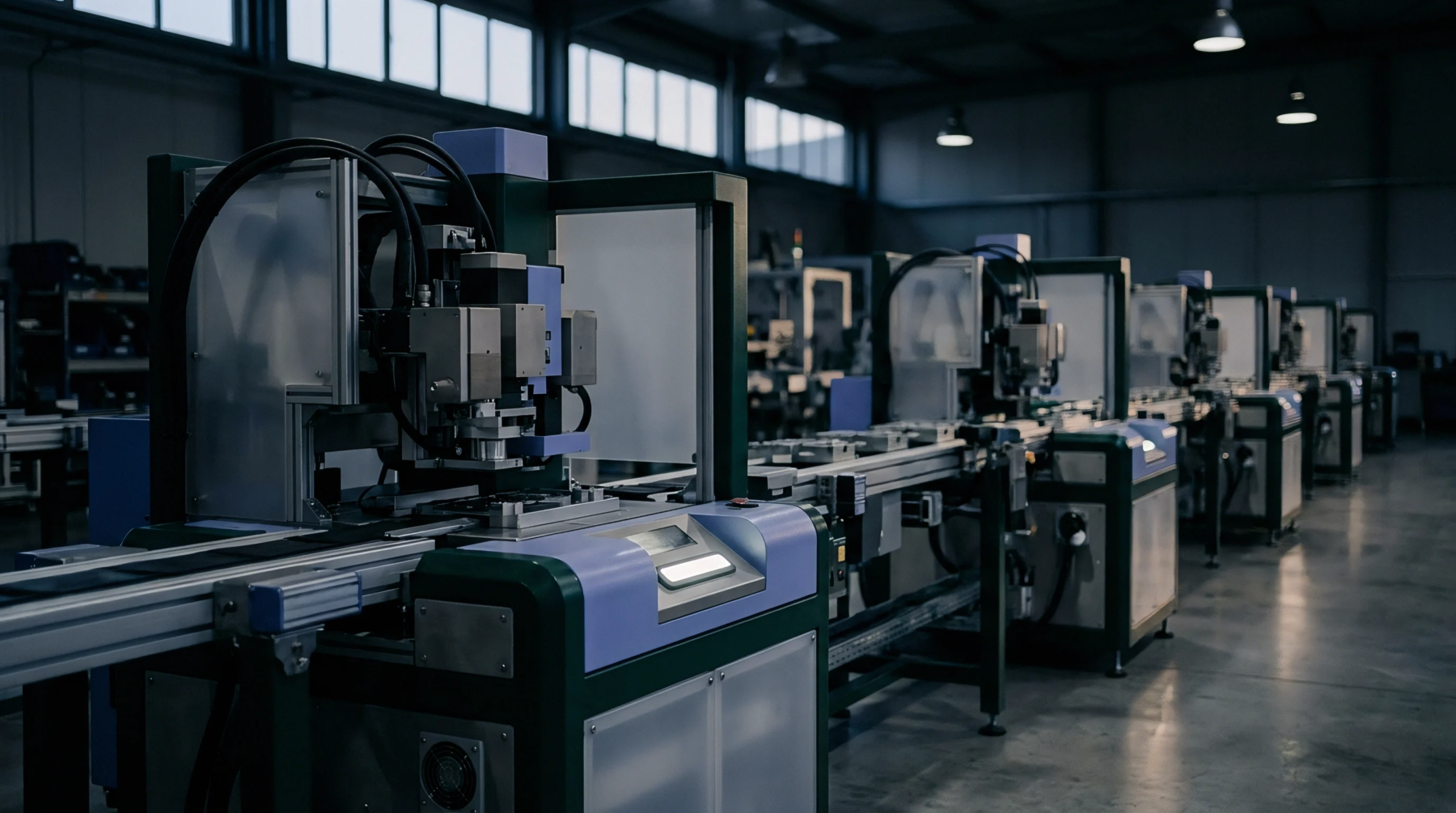
Contractual agreements establish the precise volume of high-speed manufacturing assets reserved for a specific client across a defined operational period. Automated equipment commitments govern the allocation of machine hours and robotic cycles in a multi-tenant factory environment. These terms fix the boundary between available capacity and dedicated production time, preventing over-subscription of sensitive hardware.
Capacity Protocol
Operational readiness rests on the distinction between peak throughput and verified sustained output. When automated equipment commitments define a reservation, the facility operator guarantees that specific hardware remains idle or dedicated to that contract even if lower-priority orders are waiting. A mismatch between projected demand and actual machine behavior creates a financial variance where the facility owner faces penalties for under-delivery.
Audit Mechanism
Verification of these throughput targets occurs through a real-time cycle count analysis against the agreed reservation window. The audit tracks every instance where hardware fails to trigger during a committed slot, effectively calculating the idle cost of protected machinery. Such metrics allow the facility to differentiate between a failure in the software logic and a genuine mechanical halt.
Performance Liability
Economic exposure arises when the facility manager fails to provide the reserved mechanical bandwidth, as the cost of these automated equipment commitments usually includes a liquidated damages clause linked to lost production value. Parties calculate the liability by multiplying the hourly rate of the idle robot by the delta between the committed hours and the achieved cycles. Failure to meet these throughput markers triggers an automatic credit to the buyer.