
Calculating Historical Dilution Rates for Commercial Borrowing Base Eligibility
Historical dilution divides noncash credits by gross billings to establish loan availability reserves that haircut eligible borrowing bases above cushion limits.
Historical dilution divides noncash credits by gross billings to establish loan availability reserves that haircut eligible borrowing bases above cushion limits.

Debtor dilution reduces borrowing base availability percentage-for-percentage whenever non-cash customer deductions exceed contractual baseline thresholds.

Unhedged toll extrusion furnace losses reduce physical collateral, triggering borrowing base reserves that immediately constrict revolving cash availability.

In-transit inventory availability requires negotiable bill of lading control, carrier agreement waivers, and landed cost reserves before credit line inclusion.
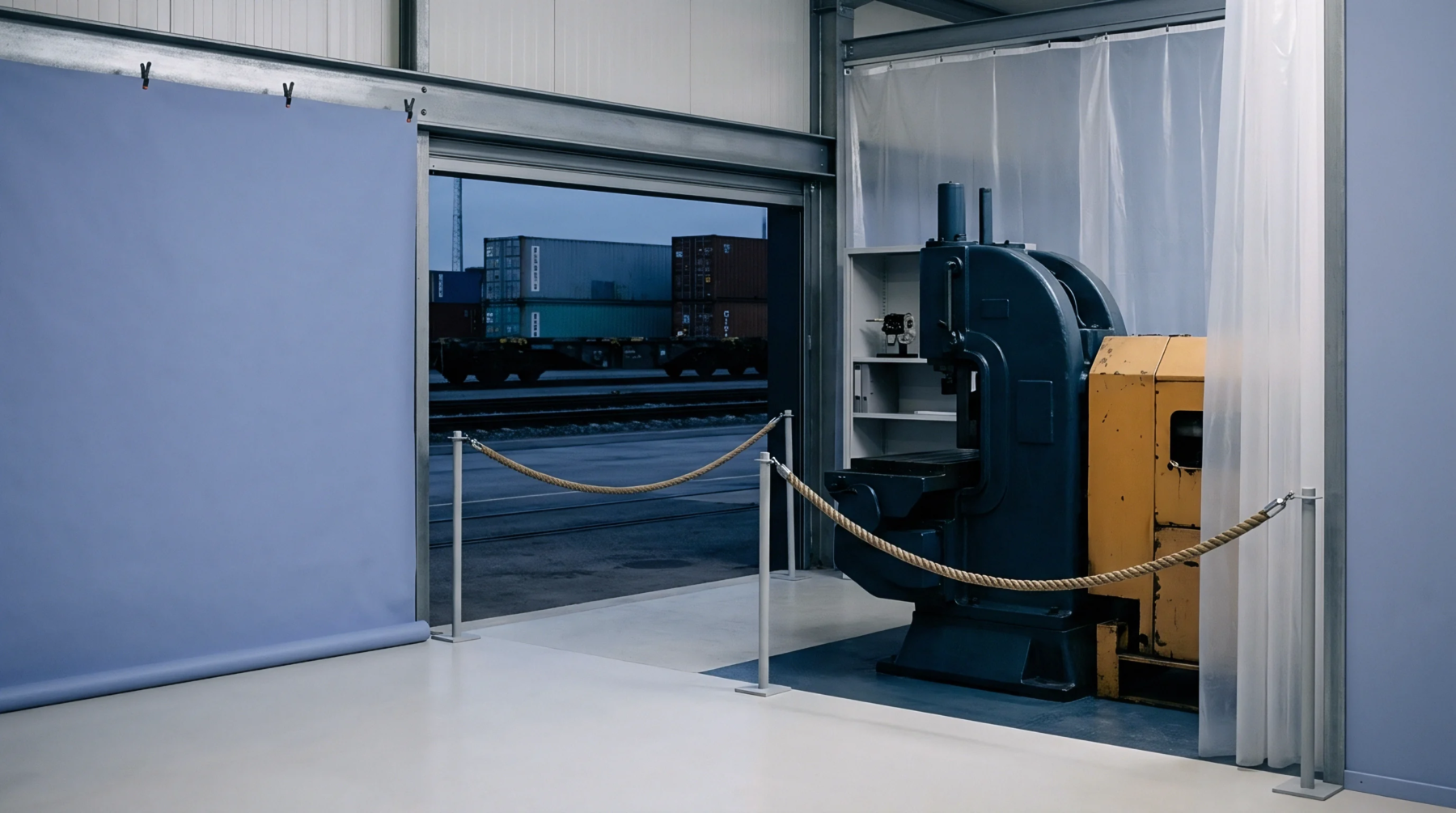
Forwarder maritime lien mitigation requires direct payables integration, forwarder access agreements, and structured borrowing base reserves against in transit inventory.

In-transit inventory valuation requires perfected legal title, verified bailee control letters, landed cost reserves, and strict sub-limit borrowing caps.

Executing tripartite forwarder agreements and title consignment turns cross-border floating stock into eligible asset-based borrowing base collateral.

Asset-based lenders fund inventory on net orderly liquidation value, requiring negotiable bills of lading and forwarder agreements for in-transit eligibility.
Extrusion expansion triggers cash traps when high primary metal payables meet heavy scrap collateral haircuts and delayed secondary market collection cycles.

Hedged borrowing base tranches require synchronized LME margin cash buffers and inventory advance rates to prevent cash depletion during metal rallies.

Mitigate scrap haircuts by implementing spectrometric assay tagging and batch inventory controls to reclassify press scrap into eligible remelt collateral.
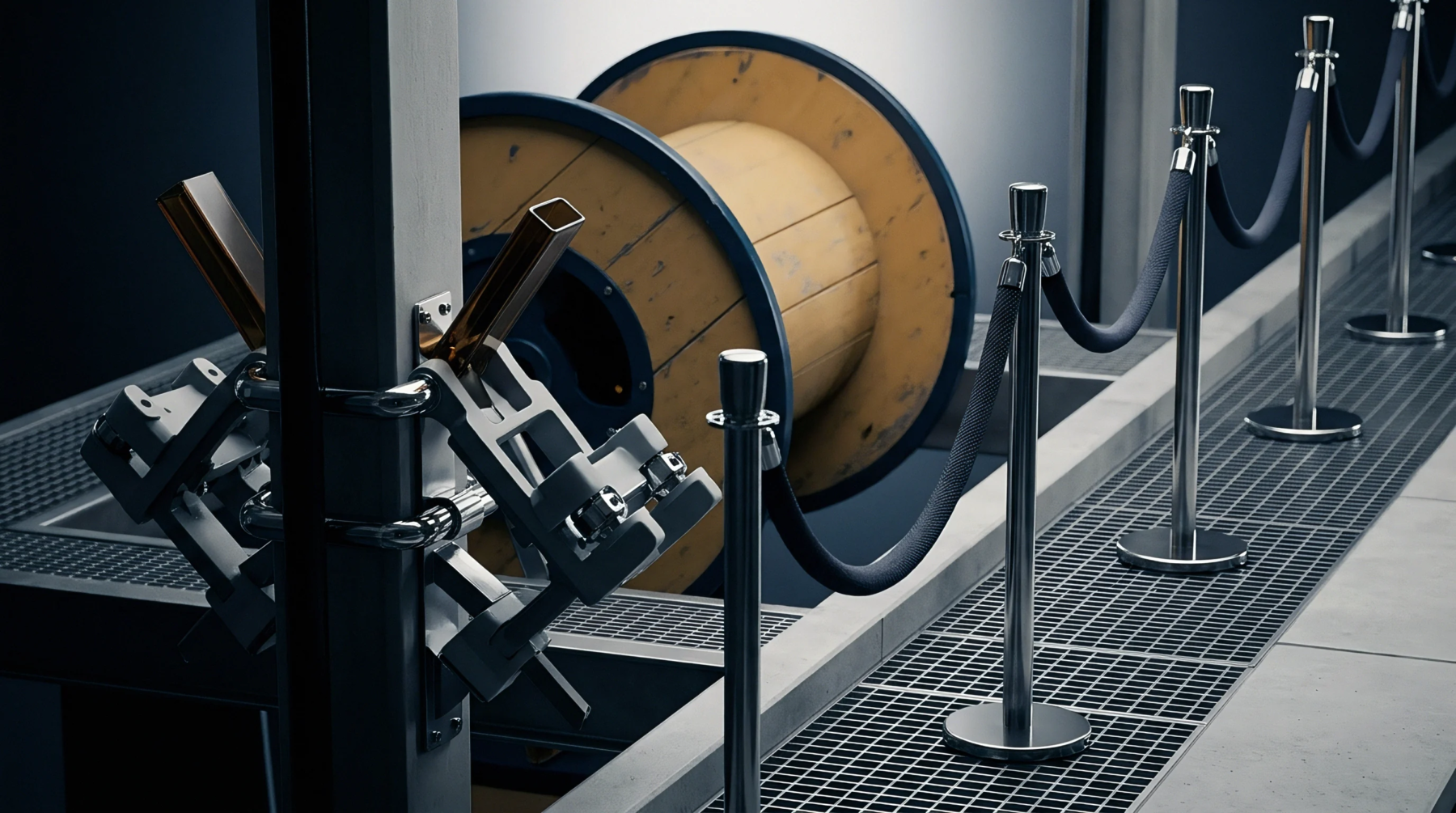
Volatile recovery spreads force lender borrowing base write-downs by widening appraised orderly liquidation haircuts on unrefined metal stock.

Widening secondary scrap discounts reduce internal scrap realization credits, raising net metal costs and eroding extruder EBITDA headroom under debt covenants.

Preserving feedstock bailment title across borders demands physical segregation, local registry perfection, and anti-specification clauses before processing.

Scrap borrowing bases deduct non-metallic waste and unassayed stock, applying appraised orderly liquidation values and advance rates to yield net availability.

Independent umpire resolution protocols freeze contested borrowing base haircuts using binding expert sampling to protect credit line liquidity within 15 days.

Net Orderly Liquidation Value appraisals determine borrowing limits by applying advance rates to eligible inventory after subtracting unrecoverable work in process, aged stock, and liquidation expenses.

Asset based credit facilities convert inventory into borrowing availability using net orderly liquidation value appraisals, eligibility filters, and statutory reserves.

Non-fluorinated additive migration degrades surface energy and secondary lamination bonds over extended storage, triggering inventory write-downs and debits.
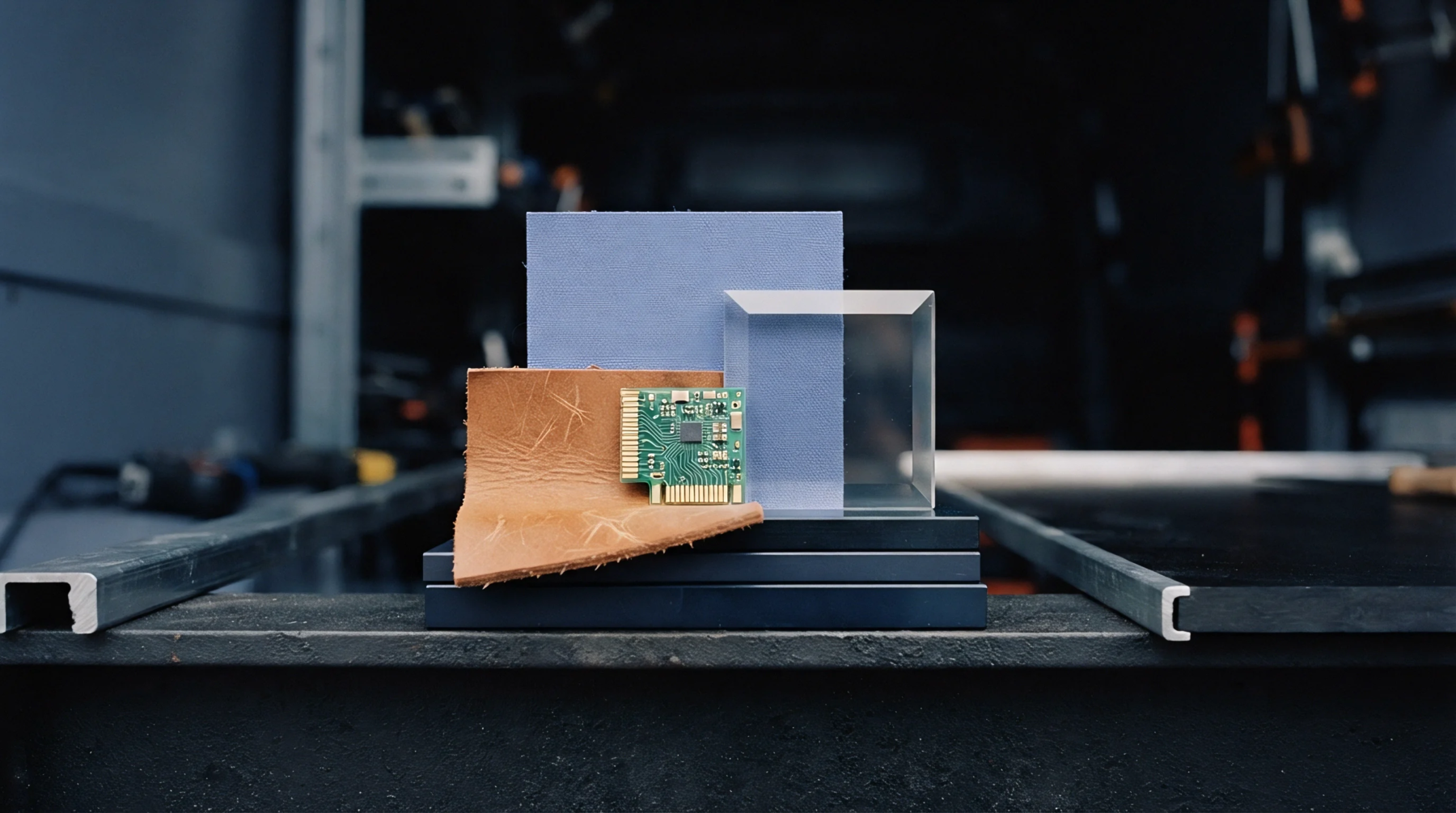
Managing NOLV variance and liquidity blocks requires aligning inventory purchases with ABL collateral reserves and customer payment terms to avoid cash depletion.

Seasonal borrowing base calculations step inventory and receivable advance rates against seasonal purchase ramp schedules to balance peak credit headroom with liquidity covenant floors.

Inventory accumulation requires strict NOLV haircut calculations and amortizing overadvance riders to prevent sudden revolver liquidity shortfalls.

Provisional invoicing converts unbilled resin price true-up accruals into eligible accounts receivable, preventing ABL borrowing base liquidity contractions.

Calculate extrusion fee adjustments by adding thermal differentials and scrap lag variances to base conversion, reconciling billing against physical press yield.

Unrecovered metal losses in extrusion directly expand COGS; precise tracking of press scrap and tolling credits preserves gross margin and borrowing capacity.

Senior ABL liens extinguish unperfected multi-currency payables discounting claims unless insulated by explicit intercreditor carveouts and turnover trusts.

Integrating trade credit insurance elevates ABL receivable advance rates from 85 to 95 percent while expanding eligible borrowing base concentration limits.

Senior borrowing base formulas deduct ineligible accounts, apply advance rates to qualified assets, and subtract reserves to determine maximum revolving facility draws.

Piercing warehouse liability caps demands documented telemetry, conversion proof, and forum-selection realignment to restore inventory collateral to credit facilities.

Multi batch contagion modeling prevents collateral overvaluation by reserving against cross invoice disputes before buyer payment freezes spread across active accounts.
Expertise is a utility, not a secret. sentiention™ publishes its working knowledge as open reference: intelligence layer covering the materials it sources, the markets it enters, and the reference that serves both.