Meaning
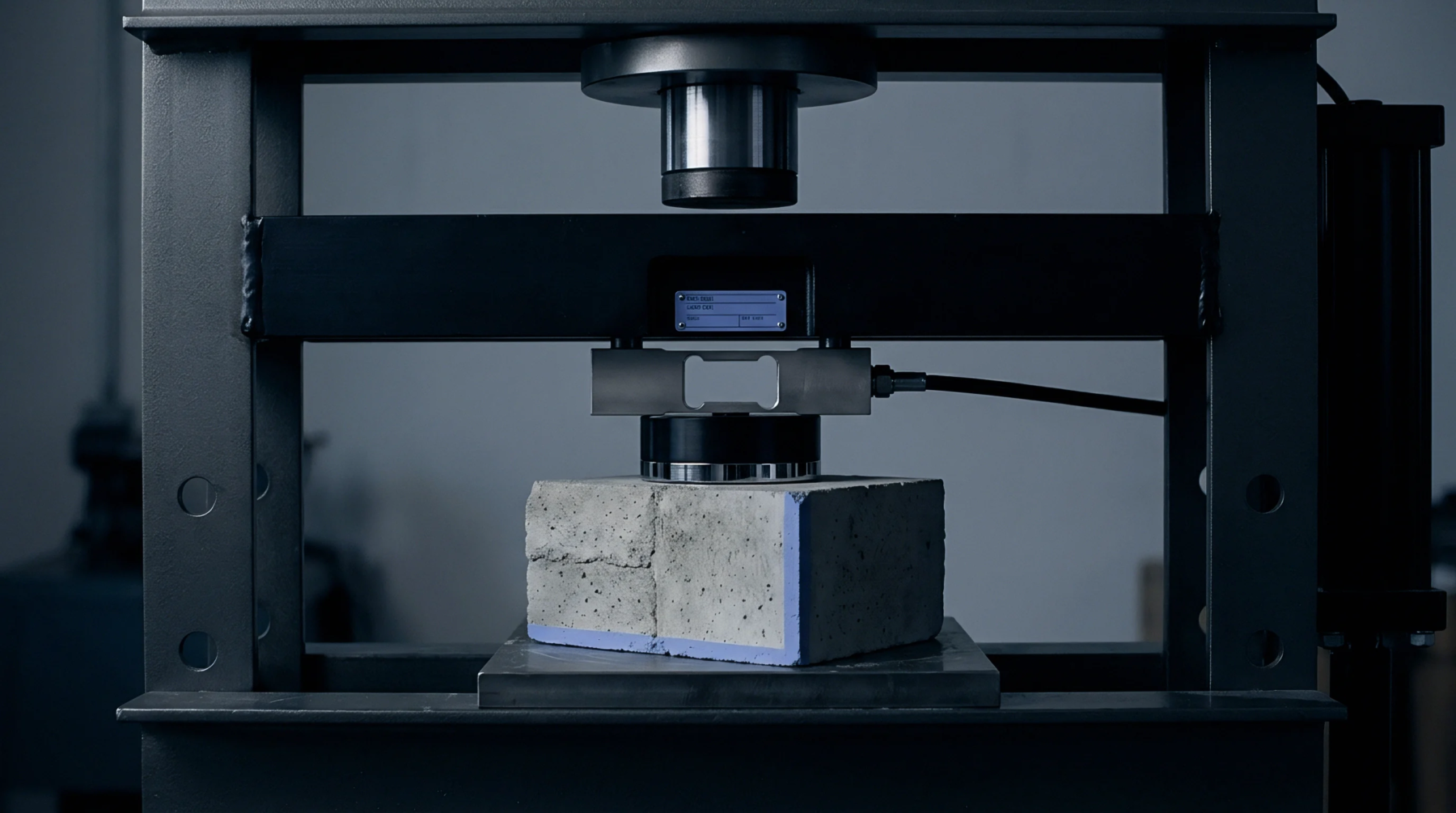
Concrete pavement joints rely on the interlocking action of exposed coarse aggregates across the fractured face of a crack to transfer shear loads between adjacent slabs. Mechanical deterioration of this joint mechanism over time, known as aggregate interlock decay, occurs as repetitive heavy traffic loads grind down the protruding aggregate surfaces. This degradation reduces the ability of the joint to distribute loads, which increases edge stress and leads to pavement distress.
The process ceases to be the dominant damage driver once a complete structural split or void formation alters the slab alignment.
Friction Reduction
Shear transfer across joints relies on the surface roughness of fractured concrete. As micro-movements under wheel loads polish these faces, the friction reduces. This action lowers the overall shear capacity of the joint before visible cracking appears.
Structural Failure
Uncontrolled deflection at the joints accelerates damage to the supporting subgrade by forcing water and fine material upward through the joint opening. This action creates voids beneath the slab, leading to corner breaks and extensive slab cracking. Without the continuous mechanical load transfer that rough aggregate surfaces provide, the slab operates as an isolated cantilever rather than a continuous structural member.
The resulting stress concentrations under typical axle loads exceed the flexural strength of the concrete, which triggers rapid slab breakdown and compromises the load-bearing integrity of the entire pavement system.
Degradation Rate
Continuous monitoring using falling weight deflectometers establishes the velocity of this deterioration before full pavement rehabilitation is required. If repairs are scheduled prematurely based on initial pilot trials rather than actual production-yield data, the operator incurs unnecessary capital costs. Conversely, delaying the measurement run until the structural capacity is completely lost results in a total joint failure that requires full-depth slab replacement.