Meaning
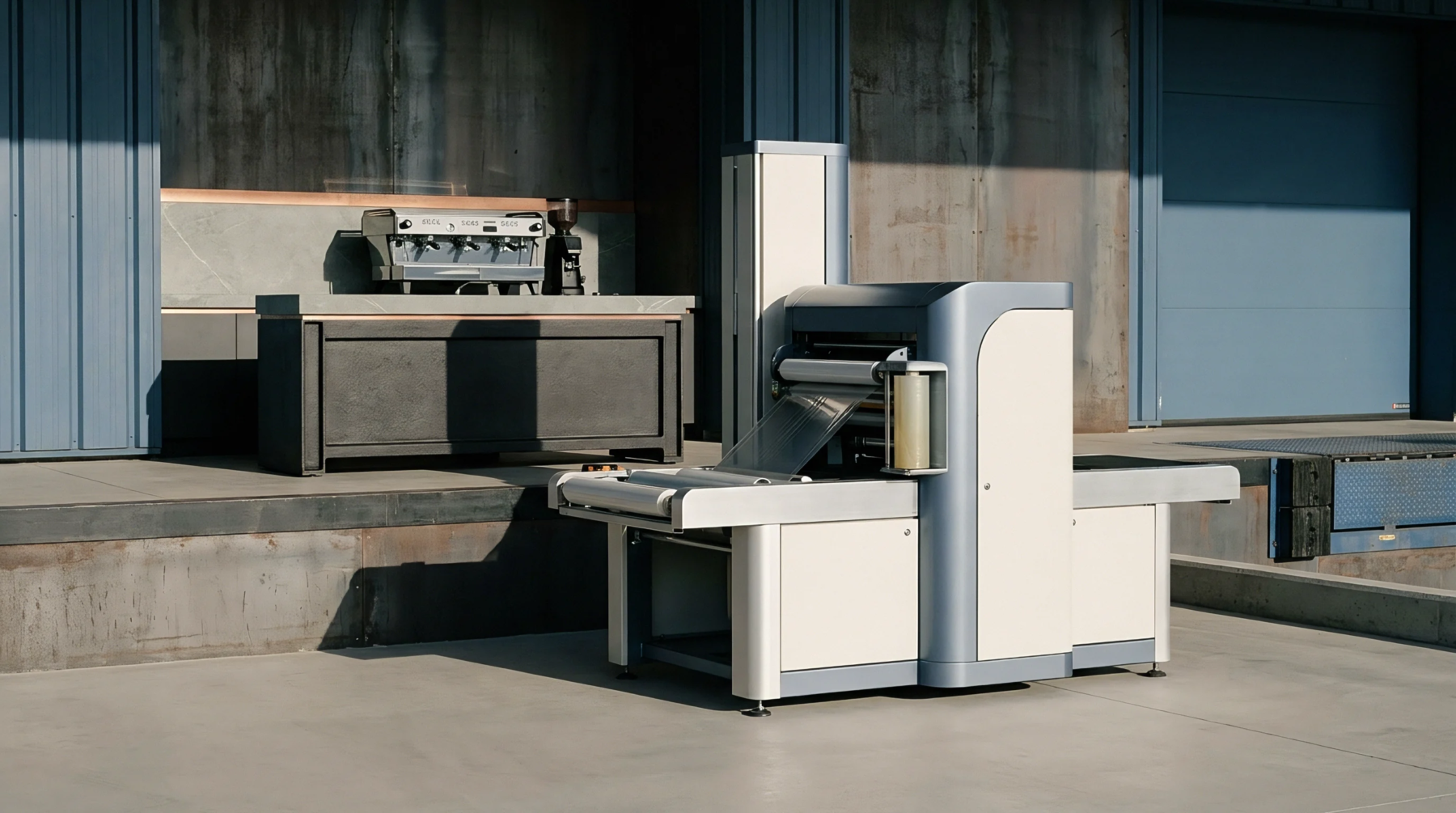
Engineering specifications define the physical arrangement and storage volume of a system used to decouple sequential machines on a production line. An accumulator design dictates the path and duration that a product spends in a holding state during a downstream stoppage. It provides the necessary volume to keep high-speed machines running when secondary equipment fails or requires adjustment.
This geometry varies from simple horizontal tables to complex vertical towers.
Space Allocation
Physical constraints often limit the size of the buffer zone within a factory layout. Choosing an accumulator design that utilizes vertical space can mitigate the loss of floor area in crowded facilities. Spiral or serpentine paths allow for hundreds of units to be stored in a relatively small diameter.
These compact footprints are necessary for urban plants or modular installations. Large horizontal tables provide easier access for operators but consume vast amounts of square footage.
Structural Integrity
Loading stresses affect the long-term reliability of the moving parts within the buffer. The accumulator design must account for the total weight of the accumulated product when the system is at maximum capacity. Heavy loads increase the wear on drive motors and support bearings.
Vibrations caused by heavy chains or belts can lead to container fatigue. Proper tensioning and lubrication points are required for continuous operation.
Operational Buffer
Timing calculations ensure the storage volume matches the expected downtime of the line. A successful accumulator design provides enough time for a technician to clear a minor jam without stopping the primary filler. If the design capacity is too low, the line stops frequently, reducing the overall equipment effectiveness.
High capacity designs require precise motor control to manage the sudden acceleration of a large mass when the line restarts. Operators must monitor the fill levels to anticipate potential overflows. The financial impact of a poor design results in wasted product and lost machine hours.
Every minute the filler stays active during a labeler failure represents a direct gain in production volume. Scaling the design for future increases in line speed ensures the equipment remains useful throughout its lifecycle.