Resolving Intercreditor Priority Conflicts over Liquidation Realization Proceeds from Specialized Industrial Overhead Inventory Collateral
Resolve intercreditor overhead inventory disputes by structuring contractual access carveouts and allocating turnkey realization proceeds pro-rata against baseline net orderly liquidation values.

Gantry
Senior asset-based revolvers and equipment term lenders clash when specialized manufacturing inventory hangs suspended from overhead handling infrastructure. The legal boundary between an unencumbered finished good and a real property fixture dissolves the moment an overhead crane, electrified monorail loop, or high-capacity hoist system holds custom structural work in process. Asset-based lenders claim pure inventory proceeds under floating security charges.
Machinery and equipment term lenders assert priority liens over cranes, runways, supporting stanchions, and everything bolted or welded to the load-bearing columns. The classification determines whether realization proceeds flow to the working capital credit line or amortize fixed asset debt.
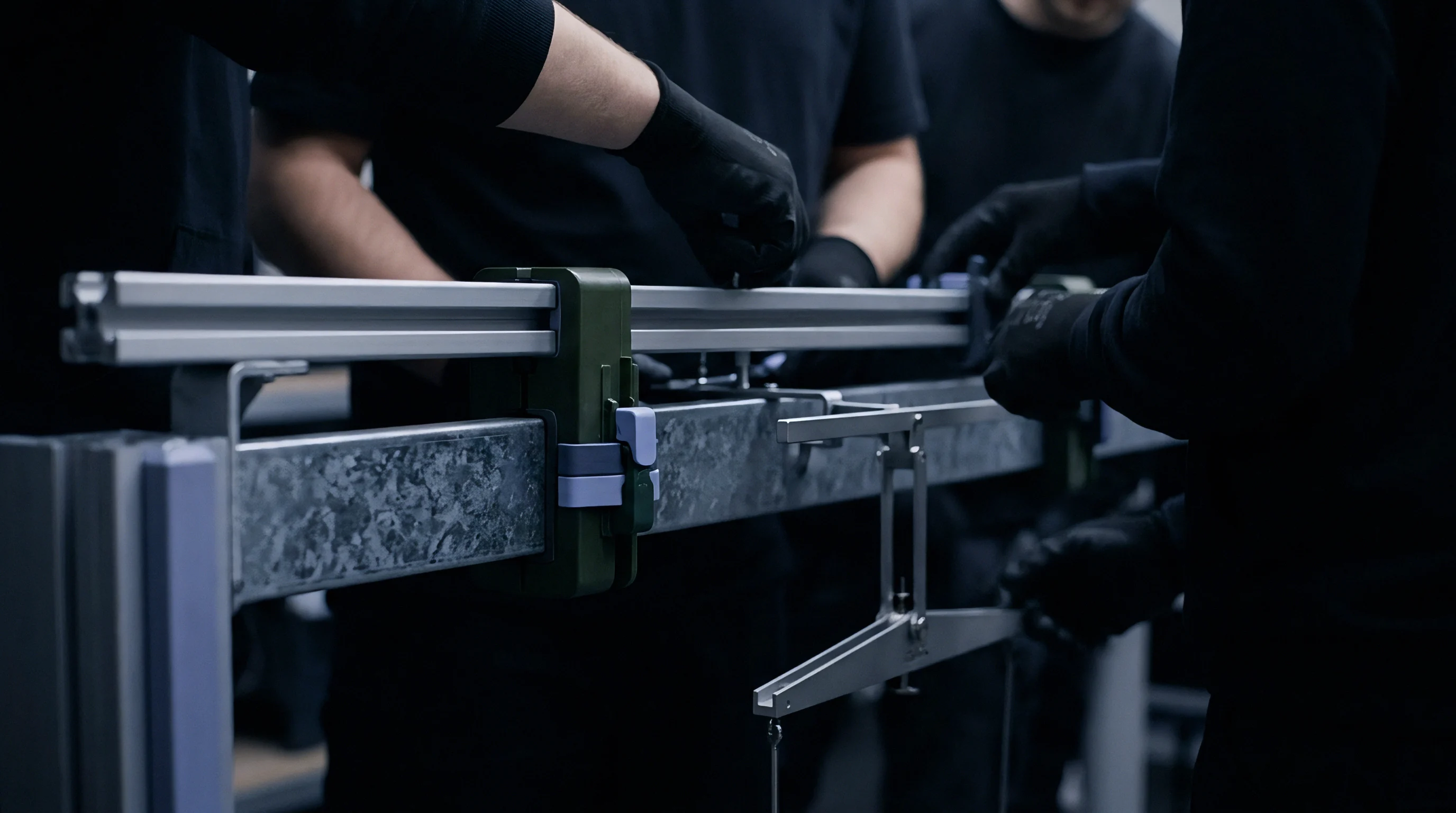
Valuation models fail when they treat overhead storage systems as ordinary warehouse racking. An overhead bridge crane carrying heavy subassemblies operates as an integrated manufacturing machine. Demounting the crane or stripping the suspended work in process without structural damage demands specialized rigging crews, industrial electrical disconnects, and certified mechanical engineering sign-offs.
Recovery values drop rapidly once dismantling labor, utility isolation, and certified heavy-haul logistics enter the liquidation cash forecast.
Equipment lenders holding real estate fixture filings claim priority over suspended assemblies whenever inventory detachment damages load-bearing runways.
Appraisal professionals calculate Net Orderly Liquidation Value by subtracting direct extraction costs from gross realization. When inventory hangs from an overhead handling system, removal expenses consume thirty to sixty percent of gross auction estimates. Removing crane runways welded into the building superstructure creates real property liabilities that landlords routinely assert against estate proceeds.
Lenders who overlook physical extraction friction discover their unencumbered collateral pool carries negative net recovery value.
Disputes intensify when the underlying facility faces lease default or structural condemnation. Bankruptcy courts balance physical detachment risks against commercial security entitlements. Uncoordinated liquidations trigger emergency landlord injunctions, halting asset sales while preservation costs mount against the debtor estate.
Lien
Uniform Commercial Code Article 9 governs priority disputes between floating inventory liens and fixture filings on specialized overhead rigging. Under Section 9-334, a security interest in fixtures is subordinate to a conflicting interest of an encumbrancer or owner of the related real property unless perfected by a fixture filing before the goods become fixtures. A working capital lender holding a blanket lien on inventory encounters immediate resistance from mortgagees and equipment term lenders who filed fixture notices against overhead crane runways and electrified hoists.
Whose Security Interest Attaches to Finished Assemblies?
Industrial assemblies remaining on specialized overhead lifters create competing perfection claims. The inventory lender argues that attachment ceases the moment goods disconnect from raw stock, maintaining pure personal property character. The equipment lender asserts that specialized custom cradles, specialized lifting beams, and load bars permanently match the overhead hoist mechanism, converting inventory into integrated machinery components.
| Collateral Classification | Perfection Method | Primary Statutory Basis | Extraction Friction | Intercreditor Exposure |
|---|---|---|---|---|
| Suspended Custom WIP | UCC-1 Floating Inventory | UCC Section 9-310 | High Rigging Cost | Direct Term Claim |
| Dedicated Lifting Beams | Fixture Filing or Equipment | UCC Section 9-334 | Low to Moderate | Accession Argument |
| Overhead Crane Runways | Real Property Mortgage | State Real Property Law | Structural Damage Risk | Senior Mortgagee Lien |
| Electrified Hoist Units | Equipment Security Agreement | UCC Section 9-203 | Mechanical Disconnect | Subordinate Inventory |
Accession doctrines under UCC Section 9-335 complicate intercreditor settlements. If specialized inventory cradles weld directly onto hoist trolleys, the goods become accessions. A secured party with priority in the whole holds priority over the accession unless an intercreditor agreement forces proceeds carveouts.
Priority battles center on whether extracting the inventory impairs the physical integrity and market value of the overhead handling machinery.
Contractual subordination provisions control realization distributions regardless of whether physical collateral undergoes accession or structural commingling.
Intercreditor agreements resolve statutory ambiguities through negotiated waterfall clauses. Senior inventory lenders typically demand explicit carveouts allowing access to overhead lifting equipment for ninety to one hundred twenty days post-default. During this access period, the inventory lender pays routine operating utilities, maintenance, and insurance in exchange for uninterrupted liquidation staging rights.
- Rent Accrual Stipulations establish per-diem occupancy charges payable directly to term lenders or landlords during overhead inventory extraction campaigns.
- Indemnification Undertakings protect equipment lenders against structural runway deformation, hoist motor burnouts, or dropped-load damage during liquidation.
- Shared Proceeds Allocations define mathematical recovery splits for hybrid assemblies where custom stock cannot physically separate from specialized lifting rigs.
A standard intercreditor carveout clause expressly declares that any inventory lender exercising overhead extraction rights shall subordinate its recovery proceeds to the equipment mortgagee for any direct structural damage caused to crane girders during asset removal.


Liquidation
Orderly liquidation values for specialized overhead inventory depend on buyer access, utility continuity, and physical plant integrity. When an industrial borrower enters insolvency, overhead crane infrastructure provides the only feasible method for staging, packaging, and transporting oversized components. If the term lender seizes or locks out the crane control systems, inventory realization stalls immediately, converting orderly liquidation values into distressed scrap realizations.

How Do Rigging Expenses Alter Realization Math?
Rigging contractors price extraction jobs based on crane availability, floor load limits, and building egress dimensions. Disconnecting a fifty-tonne overhead inventory assembly without building power escalates recovery costs tenfold. Professional liquidators establish reserve accounts specifically to cover crane certification, specialized rigging insurance, and certified crane operator labor before distributing first-dollar proceeds to secured creditors.
| Accounting Realization Line | Orderly Liquidation Value | Forced Liquidation Value | Deduction Basis |
|---|---|---|---|
| Gross Asset Appraised Value | 100.0% | 58.0% | Baseline Appraisal |
| Rigging and Crane Labor | (14.5%) | (22.0%) | Contractor Invoices |
| Utility and Facility Occupancy | (6.0%) | (11.5%) | Per Diem Landlord Cost |
| Specialized Logistics and Transport | (8.5%) | (12.0%) | Heavy-Haul Permitting |
| Environmental and Safety Sign-off | (3.0%) | (4.5%) | Regulatory Compliance |
| Net Distributable Cash Proceeds | 68.0% | 8.0% | Residual Cash Pool |
Contractors routinely explain delays by noting that specialized overhead cranes cannot move heavy stock once main plant electrical switchgear undergoes decommissioning and utility lockouts.

Carveout
Legal carveouts dictate the timing and dollar mechanics of collateral segregation. When liquidating industrial inventory suspended from overhead cranes, secured lenders negotiate access agreements that establish clear expense boundaries. The inventory lender requires safe harbor from mortgage foreclosure actions while the heavy stock is lowered, disassembled, and staged for transport.
Without explicit carveout protections, equipment lenders can padlock overhead crane controls, blocking inventory liquidation entirely.
Appraisal models must factor rent, utility, and maintenance obligations into the liquidation net realization calculation. If an asset-based lender expends capital to repair crane gearboxes or recertify wire ropes during an orderly liquidation, those outlays represent super-priority extraction expenses. The intercreditor agreement determines whether these preservation disbursements deduct from gross inventory proceeds or get surcharged against the equipment lender under bankruptcy codes.
Preservation outlays incurred while maintaining crane operations deduct directly from gross liquidation receipts prior to junior debt amortization.
- Access Term Establishment grants the working capital lender exclusive operational control over designated overhead lifting bays for sixty to ninety business days.
- Power Cost Allocation directs the inventory recovery agent to fund electrical sub-station maintenance and operational utilities pro-rata based on actual crane usage hours.
- Deficiency Surcharge Settlement reimburses equipment lenders for unrectified mechanical wear or structural runway misalignment occurring during high-tonnage liquidation staging.
- Residual Proceeds Escrow holds contested realization funds in interest-bearing accounts until legal priority over hybrid tooling-inventory assets reaches final resolution.
Physical collateral extraction rights invariably expire the calendar day building utilities undergo permanent industrial shutdown.
Distribution
Cash distributions from liquidating specialized overhead inventory follow a strict mathematical sequence defined by contract priority and direct extraction surcharges. Direct costs of sale, including specialized rigging labor, structural crane inspections, industrial power provisioning, and certified heavy-haul logistics, take first-dollar priority over secured claims. The remaining net realization pool is split based on clear collateral boundaries: unencumbered inventory proceeds satisfy working capital revolvers, while value attributable to permanent crane runways, hoists, and building fixtures transfers to machinery term lenders and mortgagees.
Disputes arise when custom inventory and specialized manufacturing tooling are sold as a unified turnkey package to a single strategic buyer. The purchase contract often specifies a lump-sum acquisition figure without breaking down individual line-item valuations for raw materials, suspended work in process, lifting beams, and overhead track networks. Under these conditions, secured creditors must agree on an independent appraisal allocation model or face extensive intercreditor litigation over proceeds distribution.
| Transaction Line Item | Turnkey Gross Realization | Allocated Rigging Expense | Net Cash Pool | Proceeds Recipient |
|---|---|---|---|---|
| Suspended Custom Alloy WIP | $2,450,000 | ($380,000) | $2,070,000 | Inventory ABL Facility |
| Custom Crane Cradles and Lifters | $420,000 | ($45,000) | $375,000 | ABL / Term Negotiated Split |
| Bridge Crane and Runway System | $1,150,000 | ($120,000) | $1,030,000 | Equipment Term Lender |
| Building Superstructure Anchors | $180,000 | ($25,000) | $155,000 | Real Estate Mortgagee |
| Summary: Net distributable cash totals $3,630,000 from $4,200,000 gross realizations after $570,000 total direct extraction deductions. | ||||
When intercreditor agreements lack explicit allocation formulas for unified turnkey sales, lenders rely on pre-liquidation Net Orderly Liquidation Value appraisals to establish relative baseline entitlements. Each secured party receives a proportional distribution matching its appraised percentage of total stand-alone value. If market bids fall substantially below appraisal baselines, the haircut applies pro-rata across all participating creditor classes.
Final cash distribution accounting requires formal clearance of all statutory tax liens, environmental extraction liabilities, and municipal utility claims before funds release to senior credit facilities. Unresolved accession arguments surrounding dedicated lifting cradles are settled through negotiated escrow holdbacks, allowing uncontested inventory and equipment proceeds to distribute immediately to respective senior lenders without administrative delay.