Asset Based Lender Collateral Write Downs Driven by Capitalized Abnormal Extrusion Production Variances
Asset-based lenders disallow capitalized abnormal extrusion scrap and press downtime variances, triggering collateral reserves and liquidity drawdowns.


Standard
Accounting rules under ASC 330 and IAS 2 mandate that inventory costs reflect direct material, direct labor, and a systematic allocation of fixed and variable production overhead. Manufacturers utilizing standard cost accounting systems establish baseline rates for material yield, press throughput, die wear, and machine labor. These standard rates absorb plant expenses into balance sheet inventory values based on normal operating capacity.
Normal capacity reflects the production volume expected across multiple shifts under typical operating conditions, accounting for planned maintenance and scheduled downtime.

Capacity Baseline Definitions in Cost Accounting
Plant throughput is measured against normal operating volume across standard production shifts. Standard cost systems set inventory targets. When actual throughput matches planned capacity, standard absorption rates distribute fixed plant costs evenly across completed units.
Discrepancies appear when operating conditions diverge from those baselines.
Standard unit costs combine direct material, direct labor, and allocated overhead. When raw aluminum billet enters the press, variance accounts capture any difference between actual spending and standard absorption, splitting those differences into favorable or unfavorable categories across material usage, labor hours, and machine utilization.
| Variance Category | Operational Origin | Accounting Treatment | Balance Sheet Impact |
|---|---|---|---|
| Normal Material Yield Variance | Standard scrap, billet tail ends, trim allowance | Capitalized into Finished Goods and WIP | Included in Inventory Valuation |
| Abnormal Scrap Variance | Press hydraulic failure, catastrophic die distortion | Expensed directly to Period COGS | Excluded from Inventory Assets |
| Normal Overhead Absorption | Standard scheduled downtime and maintenance | Capitalized via Standard Overhead Rates | Reflected in Unit Asset Cost |
| Unabsorbed Fixed Overhead | Unexpected plant shut-downs, low capacity utilization | Expensed directly to Idle Facility Expense | Excluded from Inventory Assets |
Financial reporting standards draw a firm distinction between normal and abnormal manufacturing variances. Normal variances remain part of inventory cost because they represent necessary steps in converting raw billets into salable extrusions. Abnormal costs represent inefficiency, unutilized facility capacity, or operational breakdown.
ASC 330-10-30-3 mandates that abnormal amounts of idle facility expense, freight, handling costs, and wasted material be expensed in the period incurred rather than absorbed into balance sheet inventory values.
Abnormal scrap must be charged directly to the current period. When a manufacturing plant experiences persistent machine failure, raw material defects, or low throughput, unfavorable production variances accumulate rapidly. General ledger systems that automatically route these variance balances back into inventory asset pools distort reported gross margins and balance sheet asset values.
Under standard asset-based credit agreements, Section 5.02 defines eligible inventory by excluding any asset balance containing capitalized abnormal variances or unabsorbed fixed overhead.


Press
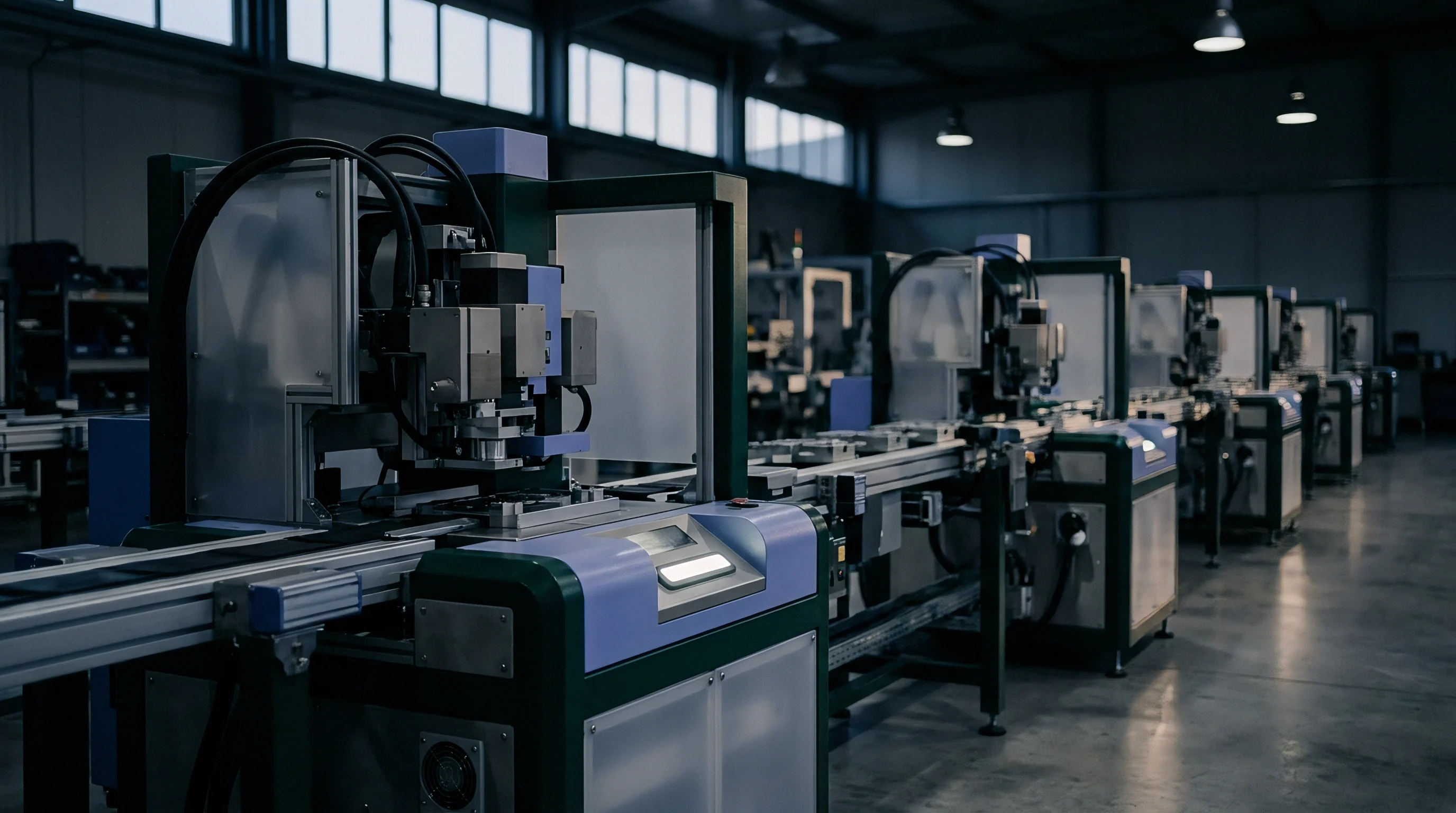
Extrusion manufacturing converts solid metal billets into intricate geometric profiles under high thermal and hydraulic forces. Aluminum or plastic billets are preheated and forced through hardened steel dies under pressures exceeding twenty-five hundred tonnes. Standard cost accounting models assume consistent press speeds, predictable thermal dissipation, and controlled scrap generation.

Physical Root Causes of Unfavorable Extrusion Variances
Manufacturing facilities track scrap, die wear, profile stretching, and thermal instability on every shift. Cold extrusion press dies tear metal. When die dimensions degrade under thermal stress, press speed drops to prevent surface tearing or dimensional wall variance.
Lower press speeds lengthen extrusion run times, generating unfavorable machine labor and variable overhead efficiency variances.
Material scrap accumulates at distinct stages of the extrusion process. Structural defects require shearing off the lead section of an extruded profile. The tail section of the billet, known as the butt disc, contains oxide inclusions that operators sever before loading the next billet.
- Die trial rejections occur when customized die geometry produces wall thickness dimensions outside customer tolerances, causing repeated press setups and generating unrecoverable scrap billets.
- Thermal press shutdowns result from hydraulic overheating or container heater coil failures, forcing operators to purge heated billets and log extended unabsorbed idle press hours.
- Alloy contamination scrap develops when low-grade raw material billets contain chemical impurities that cause structural cracking during profile quenching, forcing full batch rejection.
- Speed reduction penalties emerge when press operators drop ram speed by forty percent to prevent surface scoring on thin-walled profiles, consuming excess machine hours per kilogram produced.
Each operational failure generates financial ledger entries. When standard cost accounting routines treat these operational failures as normal cost allocations, balance sheet inventory asset lines absorb expenses that represent wasted capacity.
Plant operators tracking scrap rates on high-tonnage hydraulic presses log direct material losses that exceed engineering baseline expectations by up to thirty percent during die trial phases.
Complex die geometries and alloy cooling rates make material loss and thermal downtime an unavoidable component of custom profile fabrication.


Capitalization
Enterprise resource planning systems track differences between scheduled production spend and actual general ledger outlays. Manufacturing variance accounts accumulate these differences across material, labor, and overhead ledger codes. End-of-period accounting adjustments determine whether variance balances undergo write-offs to cost of goods sold or reallocation across inventory asset accounts.

Mechanics of Automated Variance Reallocation
Standard cost engines frequently execute capitalized variance reallocations at month-end closing. When production volume falls below budgeted capacity, fixed plant costs such as facility rent, machine depreciation, and supervisory labor remain constant. Standard overhead absorption rates fail to absorb these total dollar expenses because total press hours fall short of normal operating assumptions.
The resulting unabsorbed overhead variance sits in a general ledger clearing account. Software routines designed to minimize income statement volatility spread this debit balance across ending work-in-process and finished goods inventory accounts based on ending inventory unit counts.
- Standard cost execution establishes balance sheet assets using pre-set material and press hour rates, booking initial inventory at budgeted cost levels.
- Variance accumulation logs unabsorbed plant expenses, machine downtime costs, and excess scrap into general ledger clearing accounts during the monthly operating period.
- Capitalization calculation determines the proportion of ending inventory relative to total quarter production volume to allocate accumulated clearing balances back into asset accounts.
- Balance sheet inflation increases reported unit inventory values above net realizable market rates, hiding operational losses inside capitalized asset balances.

Worked Standard Costing Variance Example
Take an aluminum extrusion facility producing 400 tonnes of structural profile during a quarter under severe machine downtime. The facility operates a 2,500-tonne hydraulic press with a standard material cost of $2,800 per tonne of 6063-T6 aluminum billet and an expected standard yield of 90 percent. Standard scrap allowance adds $280 per tonne, direct labor adds $400 per tonne, and standard fixed overhead absorption adds $600 per tonne, yielding a baseline unit cost of $4,080 per tonne.
During the quarter, major press hydraulic seal failures cause 300 hours of unplanned press idle time. The actual material scrap rate increases to 28 percent, generating 112 tonnes of scrap valued at a scrap market price of $1,500 per tonne against an input cost of $2,800 per tonne, creating a direct material scrap variance of $414,400. Unabsorbed fixed overhead caused by press idle time produces an unfavorable overhead variance of $585,600, while labor efficiency losses add $200,000, bringing total unfavorable manufacturing variances to $1,200,000.
| Accounting Line Item | Standard Costing Baseline | GAAP Expensed (ASC 330) | Improperly Capitalized ERP Account |
|---|---|---|---|
| Direct Material Cost | $1,120,000 | $1,120,000 | $1,120,000 |
| Direct Labor Allocation | $160,000 | $160,000 | $160,000 |
| Standard Fixed Overhead | $240,000 | $240,000 | $240,000 |
| Abnormal Scrap Variance | $0 | Expensed to COGS ($414,400) | Capitalized to Inventory ($414,400) |
| Unabsorbed Overhead Variance | $0 | Expensed to COGS ($585,600) | Capitalized to Inventory ($585,600) |
| Labor Efficiency Variance | $0 | Expensed to COGS ($200,000) | Capitalized to Inventory ($200,000) |
| Total Ending Inventory Value | $1,520,000 | $1,520,000 | $2,720,000 |
| Carrying Cost per Tonne | $3,800 | $3,800 | $6,800 |
| Methods Note: Calculations assume ending inventory of 400 finished tonnes. GAAP compliance under ASC 330 forces $1,200,000 in abnormal operational variances directly to period income statement expense. | |||
Capitalizing the $1,200,000 abnormal variance raises ending inventory carrying cost from $3,800 per tonne to $6,800 per tonne. Cash flow contracts immediately. With the net realizable market value of the extruded profile sitting at $4,500 per tonne, capitalizing abnormal scrap and unabsorbed downtime inflates inventory book value above net market liquidation value by $2,300 per tonne.
Capitalizing a 1,200,000 dollar abnormal variance into a 400 tonne extrusion inventory pool inflates unit collateral values by 3,000 dollars per tonne above net realizable market worth.
When standard cost engines reallocate abnormal scrap into balance sheet accounts, reported quarterly profitability appears intact while asset values become severely distorted. Financial management delays recognizing manufacturing losses by pushing operational costs into future periods.
Routine automatic reallocation of abnormal production scrap into inventory asset ledgers results in sharp inventory write-downs and sudden loan availability reductions during lender examinations.


Audit
Asset-based lenders inspect borrower financial accounting records to confirm that balance sheet inventory values accurately reflect underlying market collateral worth. Borrowing base agreements restrict credit advances to a defined percentage of eligible inventory, calculated at the lower of standard cost or net realizable value. Field examiners review standard cost models, scrap logs, machine absorption reports, and monthly inventory variance roll-forwards.

Why Do Borrowing Base Audits Disallow Standard Cost Overhead Allocations?
Field examiners challenge standard cost accounting models whenever actual manufacturing costs exceed budgeted baselines, forcing lenders to recalculate eligible collateral. When a borrower capitalizes unabsorbed fixed overhead or abnormal scrap into inventory, the lender views the balance sheet asset as carrying inflated costs that cannot be realized upon liquidation. Asset-based lending risk models dictate that collateral must reflect wholesale liquidation recovery values rather than unrecovered factory expenditure.
Field examiners analyze manufacturing variance clearing accounts across four consecutive quarter cycles and audit standard cost roll-forwards. If variance clearing accounts consistently display large debit balances that reallocate to inventory at month-end, field examiners flag the capitalized amounts as ineligible collateral.
- Reconcile general ledger manufacturing variance accounts against monthly inventory trial balances to verify total variance capitalization amounts.
- Sample standard cost bills of materials and routing sheets across top revenue-generating extrusion profiles to identify embedded overhead absorption rates.
- Compare actual machine press hours and metal recovery yields against budgeted normal capacity assumptions to isolate abnormal downtime and scrap.
- Calculate net realizable value benchmarks by deducting freight, handling, and liquidation commissions from recent customer invoice selling prices.
- Establish a specific capitalized variance reserve deducting all unabsorbed overhead and abnormal scrap allocations from gross eligible inventory.
Field examiners perform detailed sampling of work-in-process and finished profile balances. When audit sampling reveals that capitalized variances exceed materiality thresholds, field examiners disallow the entire capitalized variance balance from the borrowing base collateral calculation.
Lender field examiners treat consistently high unfavorable absorption balances in manufacturing general ledgers as prima facie evidence of capitalized abnormal waste.
Borrowers experiencing press outages often fail to segregate normal scrap from abnormal catastrophe scrap on production dockets. Without granular job order detail, field examiners disallow all capitalized variance balances during borrowing base audits.
Field examiners routinely convert any unverified overhead allocation variance into an immediate dollar-for-dollar reserve against borrowing base eligibility.


Revaluation
Lender adjustments to capitalized manufacturing variance accounts impact borrowing base calculations directly. When a field examination disallows capitalized abnormal extrusion variances, the lender deducts the full disallowed balance from eligible inventory prior to applying advance rates.
Borrowing Base Contraction and Cash Liquidity Impact
Consider an enterprise carrying $10,000,000 in gross inventory, including $1,500,000 of capitalized abnormal extrusion variances. The credit agreement establishes a 65 percent advance rate against eligible inventory cost, subject to a net realizable value cap. Before the field audit, reported eligible inventory stands at $10,000,000, yielding a borrowing availability of $6,500,000.
During the field examination, auditors classify the $1,500,000 in capitalized abnormal scrap and unabsorbed overhead as ineligible collateral, dropping eligible inventory to $8,500,000. Applying the 65 percent advance rate to the adjusted eligible inventory balance reduces borrowing availability to $5,525,000, creating an immediate $975,000 reduction in credit facility availability.
| Borrowing Base Component | Pre-Audit Reported Balance | Field Audit Adjustment | Post-Audit Eligible Collateral |
|---|---|---|---|
| Gross Inventory Balance | $10,000,000 | $0 | $10,000,000 |
| Ineligible Capitalized Variances | $0 | ($1,500,000) | ($1,500,000) |
| Ineligible Slow-Moving Inventory | ($500,000) | $0 | ($500,000) |
| Net Eligible Inventory Cost | $9,500,000 | ($1,500,000) | $8,000,000 |
| Advance Rate Percentage | 65.0% | 65.0% | 65.0% |
| Gross Borrowing Availability | $6,175,000 | ($975,000) | $5,200,000 |
| Outstanding Revolver Loan Draw | $5,000,000 | $0 | $5,000,000 |
| Net Excess Availability | $1,175,000 | ($975,000) | $200,000 |
The availability shrinkage from $1,175,000 to $200,000 compresses working capital liquidity. If net excess availability falls below agreement minimum thresholds, the borrower triggers a springing fixed charge coverage ratio covenant.
Under springing covenant terms, failing the minimum excess availability test obliges the borrower to demonstrate a minimum fixed charge coverage ratio of 1.10 to 1.00. Because direct expensing of the $1,500,000 abnormal variance also reduces trailing twelve-month EBITDA, the borrower faces simultaneous covenant default and credit line reduction.
Deductions applied to eligible inventory balances during a field examination convert reported working capital assets into immediate loan availability shortfalls.
Enterprise software automates variance capitalization. When working capital facilities tighten, manufacturers reconcile standard costing parameters with physical press performance before lender audits enforce compulsory reserves.
Whether credit committees will accept temporary operational restructuring plans to restore inventory eligibility before minimum availability triggers enforce default interest remains an open commercial question.