Meaning
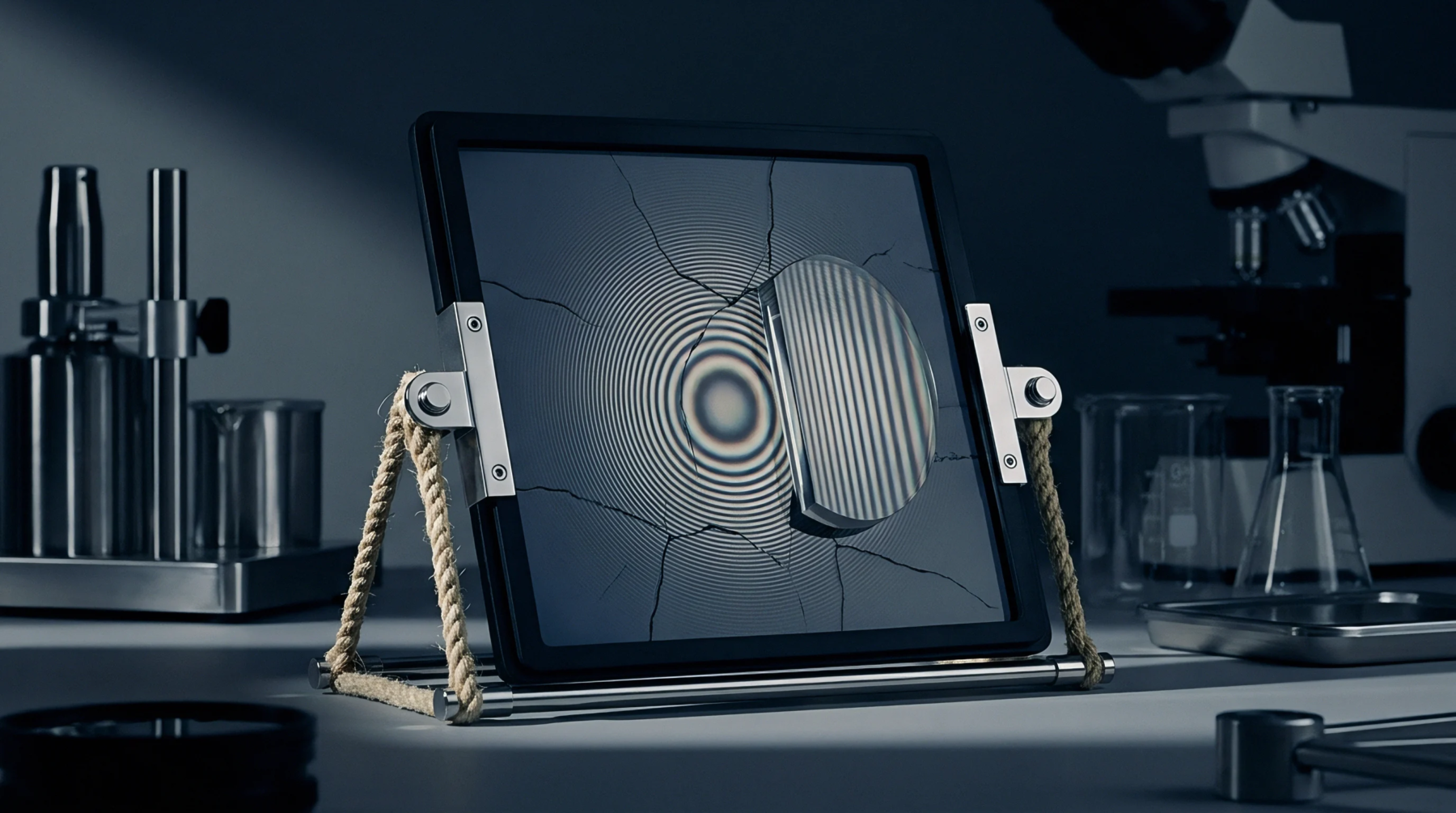
Optical deviation describes the gradual shift in the light bending properties of a medium relative to its nominal value over time. Refractive index drift occurs when environmental variables or structural degradation within a material alter the velocity of light passing through the substance. This phenomenon impacts the precision of sensors relying on light phase or intensity modulation for analytical measurements.
Stability Protocol
Calibration schedules account for this variation by establishing a baseline measurement against a known reference material at regular intervals. Frequent re-zeroing of the equipment allows for the subtraction of background interference during long-term monitoring cycles. Analysts verify the integrity of the measurement path by checking the transmission values against factory specifications before each production run.
Thermal Influence
Temperature fluctuations frequently act as the primary catalyst for instability within optical components. Heat expansion modifies the density of the medium while simultaneously changing the molecular arrangement that dictates light interaction. Passive cooling or active climate controls limit the magnitude of these shifts to within acceptable tolerances for the application.
Precise control systems maintain internal thermal equilibrium to ensure the sensor readings remain constant across varying operational environments.
Operational Penalty
Production losses arise when uncontrolled variance pushes measurement outputs beyond the quality thresholds defined for high-precision components. False rejects increase when sensors fail to distinguish between actual product changes and the underlying drift of the measurement apparatus. Maintaining tight control over the optical environment minimizes the risk of reporting erroneous data during continuous manufacturing processes.
Frequent audit cycles confirm that equipment performance remains within the limits required for reliable output quality.