Meaning
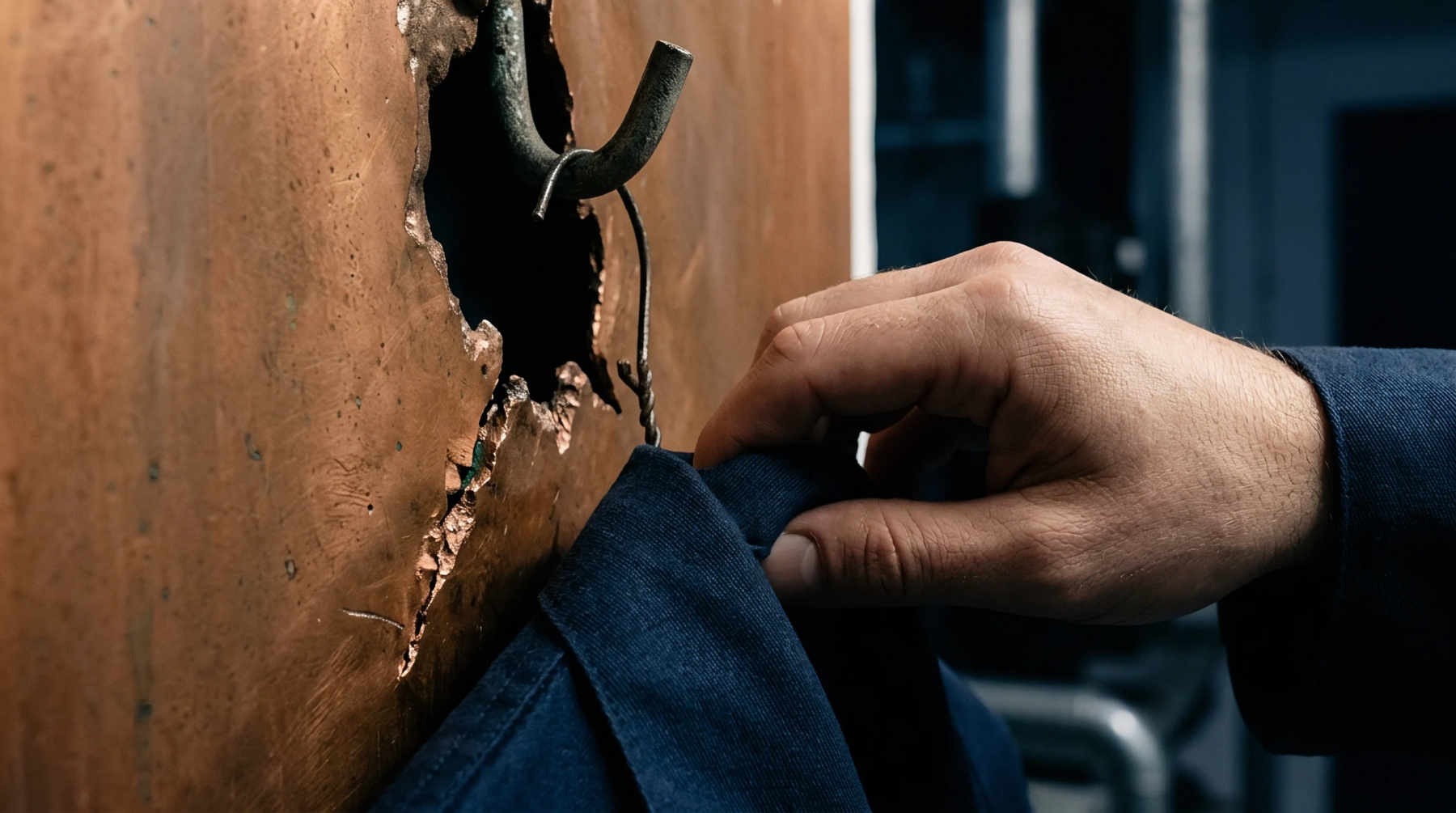
Human visual and tactile inspection techniques detect physical flaws, dimensional variations, surface defects, and cosmetic irregularities without automated sensing equipment. Relying on manual quality control provides operational flexibility during low volume production and early prototype builds where automated systems remain uncalibrated. Operators use physical gauges and optical magnifiers to evaluate incoming materials and finished assemblies.
Human inspection functions as the primary defense against unexpected defect types that automated optical algorithms are not programmed to detect.
Visual Standard
Defect boundary catalogs provide clear photographic examples of acceptable and rejectable material conditions for inspectors. Executing manual quality control against standardized boundary criteria reduces subjective decision making between different operator shifts. Written instructions define specific viewing angles and lighting requirements.
Protocol Audit
Quality supervisors perform periodic double checks on inspected parts to measure operator consistency and false pass rates. Auditing manual quality control workflows identifies training gaps before non-conforming components reach final assembly lines. Systematic re-inspection establishes empirical baseline accuracy figures for human inspectors.
Human Factor
Operator fatigue and sensory adaptation steadily decrease human defect detection accuracy over extended work shifts. Expecting manual quality control to maintain high catch rates at maximum line speeds leads to increased defect escapes. Transitioning from manual checks to automated inspection requires verified capability metrics and demonstrated throughput rates.