Meaning
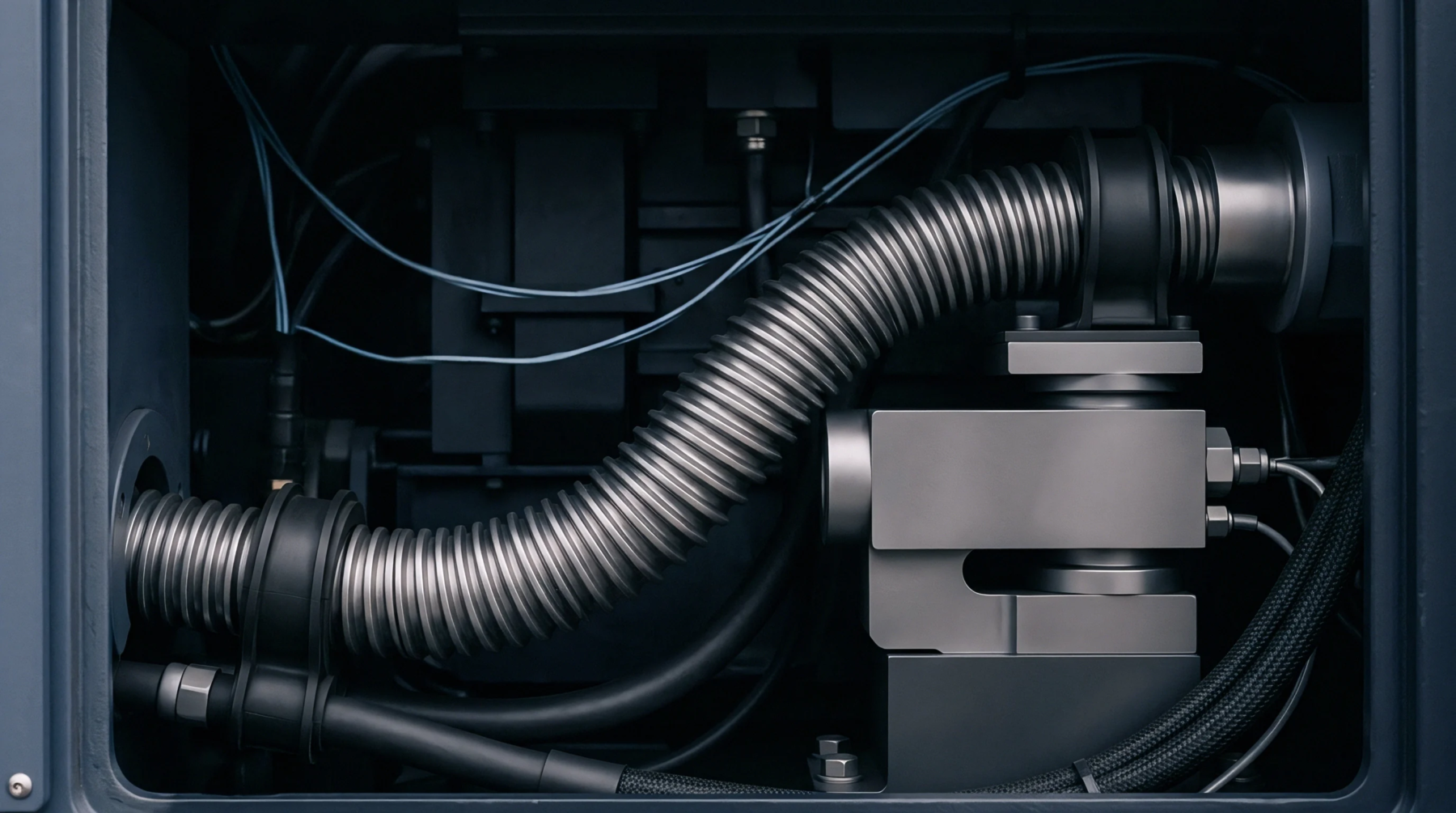
Industrial data networks stream real-time operational parameters, sensor readings, and diagnostic alerts from production equipment to monitoring software. Capturing machine telemetry allows maintenance teams to track thermal trends, vibration signatures, and motor currents during active processing. The data architecture governs equipment health monitoring, predictive maintenance scheduling, and automated fault detection.
Application stops at disconnected offline equipment that relies exclusively on manual gauge readings and periodic mechanical inspection.
Sensor Infrastructure
Piezoelectric accelerometers and thermal sensors capture continuous high-frequency operational metrics. Edge computing devices digitize signals before transmitting them across industrial network protocols. Datasets feed centralized control panels for real-time visualization.
Yield Degradation
Ignoring subtle drift in equipment operating parameters leads to unexpected machine downtime and scrap rate spikes. Pilot equipment operating under light loads may show stable sensor signals, but full production runs generate thermal stress and vibration that reveal underlying mechanical wear. Relying on nominal manufacturer specifications instead of live machine telemetry causes operators to miss early indicators of tool wear and bearing degradation.
Unplanned line stoppages halt production schedules and damage active workpieces.
Data Verification
Technicians validate sensor accuracy by comparing automated data feeds against calibrated physical reference instruments during planned maintenance windows. Signal processing algorithms filter network noise to prevent false alarm triggers. System audits confirm that data latency remains within acceptable thresholds for real-time process control.
Machine telemetry provides continuous visibility into equipment operational health.