Meaning
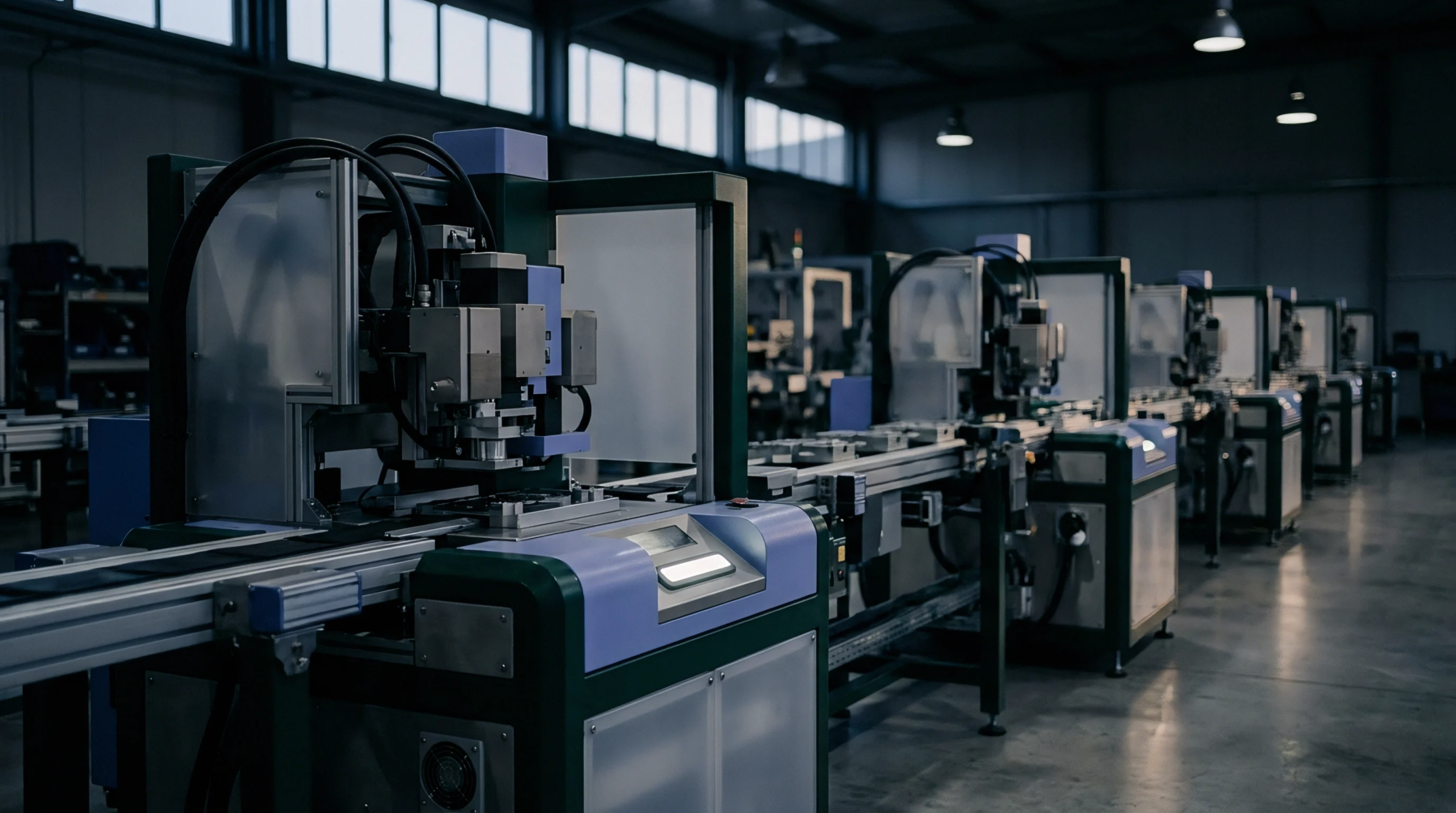
Production facility designs that combine automated machinery with manual assembly stations allow for greater flexibility in manufacturing. A hybrid line architecture enables a firm to switch between different product models without a total overhaul of the factory floor. It balances the speed of robots with the problem solving abilities of human workers.
Workload Distribution
Simple and repetitive tasks are assigned to machines while complex or variable work is handled by the staff. In a hybrid line architecture, the layout is designed to allow parts to move smoothly between the fixed automation and the flexible manual zones. This arrangement optimises the use of floor space and reduces the time wasted on material handling.
The balance between these two modes is adjusted as the product moves from the pilot phase to full scale production.
Capacity Scaling
Adding or removing workers allows the plant to react to changes in demand more quickly than a fully automated facility. The hybrid line architecture is effective for products that are in the early stages of their lifecycle and may require frequent design changes. It provides a way to increase volume without committing to the massive capital expense of a dedicated high speed line.
Cost Efficiency
Lower initial investment requirements make this approach attractive for companies that produce a variety of goods in small batches. Maintaining a hybrid line architecture involves a mix of mechanical maintenance and staff training. This diverse setup ensures that the factory remains productive even if one piece of automation fails.