Meaning
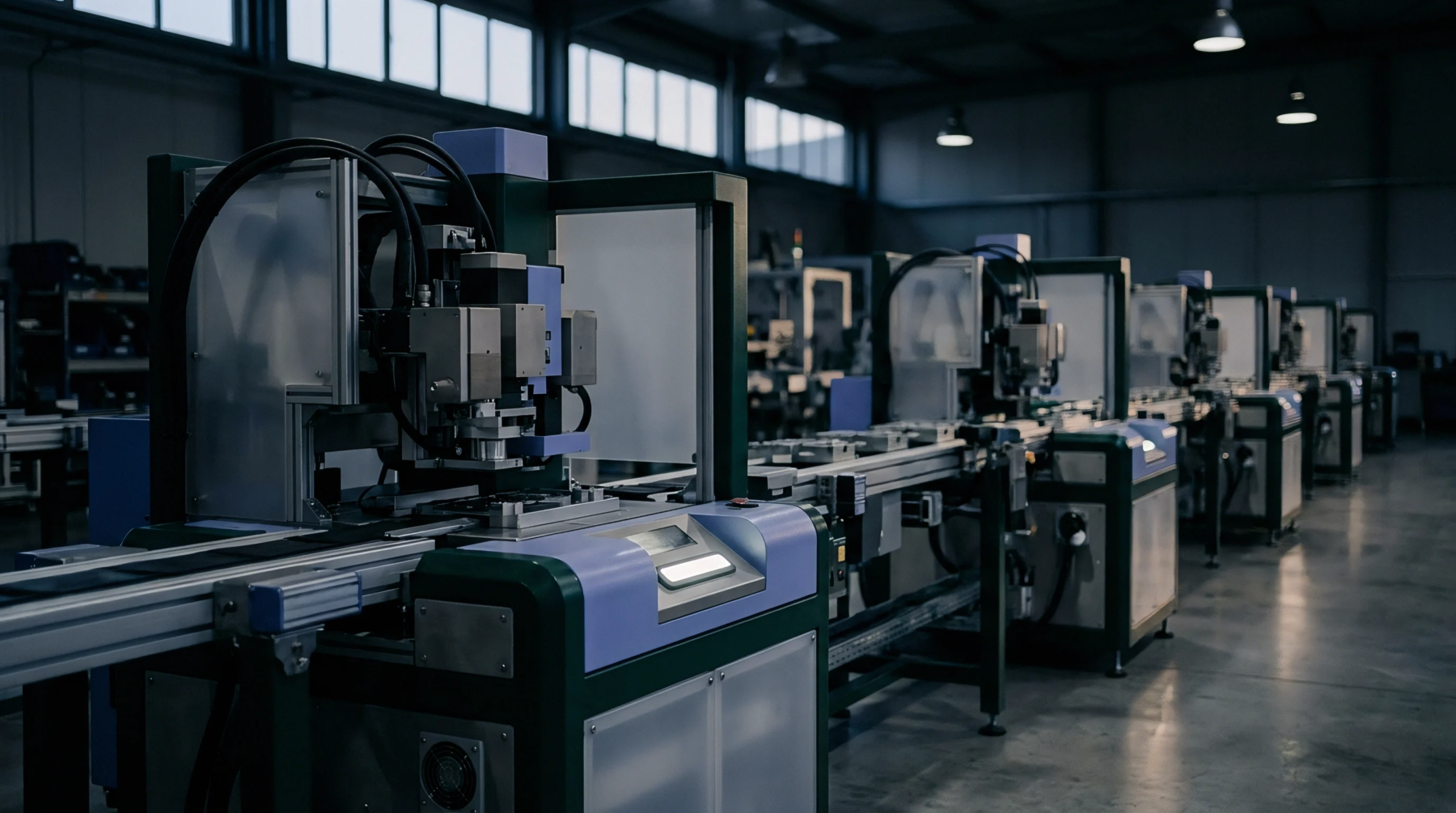
Physical investments represent capital tied up in assets that cannot be quickly converted to cash without a loss in value. Managing fixed asset illiquidity is a requirement for any manufacturing firm that owns its factory and equipment. This state applies to long term holdings like real estate and heavy machinery, which take months or years to sell in the open market.
Capital Lockup
Funds used to purchase property are no longer available for daily operations or payroll. High levels of fixed asset illiquidity mean that a company must rely on its accounts receivable or bank loans to meet short term obligations. If the market slows down, the firm cannot simply sell a piece of its factory to pay its bills.
Resale Barrier
Specialized machinery often has a limited pool of potential buyers who can use the specific technology. This specialization increases fixed asset illiquidity because the seller must wait for a buyer with the exact same production needs. When a sale is forced by a bankruptcy, the equipment often sells for only a fraction of its original cost.
Investment Risk
Long term commitments to physical hardware reduce the ability of a firm to pivot to new industries. Recognizing fixed asset illiquidity prevents a manager from overinvesting in hardware that might become obsolete before it pays for itself. A balanced portfolio includes enough liquid assets to cover the debt taken to buy the fixed ones.
This ratio determines the overall survival rate of the enterprise.