
Standardized Trade Credit Insurance Endorsements and Warehouse Security Waivers
Standardized warehouse security waivers subordinate 3PL possessory liens, preserving borrowing base eligibility and trade credit insurance coverage.
Standardized warehouse security waivers subordinate 3PL possessory liens, preserving borrowing base eligibility and trade credit insurance coverage.

Structuring intercreditor lien carveouts for concentrated debtors converts unbacked accounts receivable into immediate supply chain finance liquidity under growth facilities.

Structure dynamic cash reserves matching peak key account concentration to absorb immediate recourse facility advance calls when commercial disputes trigger ledger disqualifications.
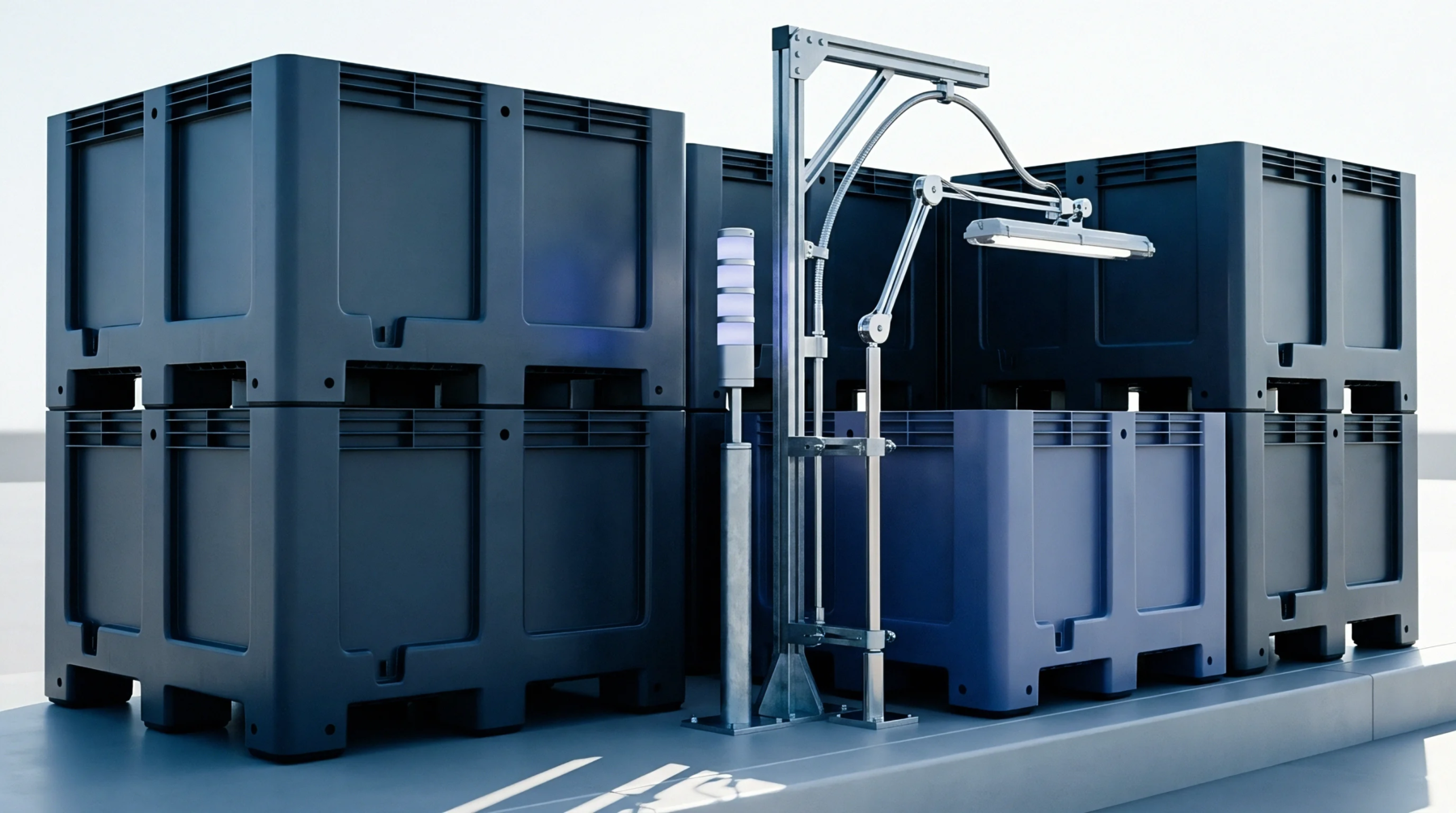
Managing supplier minimum order quantities requires balancing unit pricing against inventory eligibility reserves that restrict credit lines on slow stock.

Dynamic reserve calibration using historical contract variance unlocks locked availability without breaching lender risk thresholds.

Dynamic asset-backed credit structures adjust advance rates formulaically to protect collateral integrity against seasonal receivables dilution spikes.

Seasonal volume rebate lags inflate receivables face value, forcing lenders to apply borrowing base haircut adjustments to prevent sudden liquidity shortfalls.

Asset based lenders offset insurance deductibles by applying dollar-for-dollar borrowing base reserves or reducing advance rates against eligible collateral.

Debtor rating downgrades automatically reduce borrowing base availability by reclassifying invoices as ineligible or capping concentration allowances.

Asset-based borrowers resolve discretionary reserve shortfalls by eliminating double-counted inventory age exclusions across field appraisal models.

Off-site inventory borrowing base reserves combine 60-to-90-day storage fee holdbacks, toll processing claims, count shrinkage, and freight marshalling costs.

Senior ABL agreements manage supply chain carveouts through borrowing base reserves, strict lien subordination, and enforceable standstill covenants.

Borrowing base inclusion for vendor managed inventory requires verified title transfer, physical segregation, executed bailee waivers, and sub-limit caps.

Lenders carve out floating ocean freight unless negotiable bills of lading or forwarder agreements extinguish senior maritime liens and establish perfection.

Floating inventory impairments reduce borrowing base availability and cut EBITDA, driving simultaneous credit line deficits and debt covenant defaults.

Off-balance-sheet vendor hubs eliminate senior debt ineligibility reserves by keeping unpulled raw stock off corporate balance sheets until factory intake.

Unrecorded scrap and capitalized standard cost variances artificially bloat perpetual inventory, triggering borrowing base collateral deficits and lender paydowns.

Aligning covenant add-backs with revolving line formulas requires capping cash-settled adjustments to prevent paper leverage headroom from masking cash drains.

Recycled polymer extrusion lines maintain stability only when dynamic shear viscosity remains within eight percent of virgin baselines at line speeds above 300 m/min.

Multi-tier credit insurance secures syndicated facility eligibility only when policy endorsements, advance rates, and standstill covenants align.

Standard cost tracking protects lending facilities by deducting capitalized purchase price and unabsorbed overhead variances from collateral bases.

Mitigate borrowing base contraction by aligning perpetual subledger standards with actual invoices and securing credit agreement carve-ins for variance pools.

Melt flow indexing misses high-shear flow divergence, causing die pressure spikes and inventory write-downs that capillary rheometry stops at the receiving dock.

Cross-border borrowing base eligibility requires local statutory collateral perfection, documentary title control, trade credit insurance, and dilution reserves.

Single buyer trade credit caps limit borrowing base availability, requiring structured top-up insurance, letter of credit mitigants, or reverse factoring.
Normal operational discard costs enter inventory valuation under IAS 2 only within standard tolerance levels, preserving true margin and cash reporting.

Unhedged toll extrusion furnace losses reduce physical collateral, triggering borrowing base reserves that immediately constrict revolving cash availability.

Credit insurance overlays release trapped working capital by substituting insurer default underwriting for bank debtor concentration limits at low carrying costs.

Mitigating key account dispute contagion requires structural cross-aging carveouts, segregated dispute escrows, and insurance-backed concentration caps.

Dynamic liquidity reserves against concentrated debtor cross defaults must cover instantaneous borrowing base exclusion plus ongoing operating burn during dispute resolution.
Expertise is a utility, not a secret. sentiention™ publishes its working knowledge as open reference: intelligence layer covering the materials it sources, the markets it enters, and the reference that serves both.