Meaning
Operational agility describes the ability of a production system to respond to volume changes or product variations. Using capacity flexibility allows a facility to scale its throughput without incurring the permanent overhead of fixed expansion. The measure applies to the range of output levels achievable within a defined timeframe, but it stops at the physical limit of the existing footprint or the total available labor hours.
Resource Allocation
Adaptive staffing levels allow for rapid shifts in labor to meet peak demand periods. When capacity flexibility is high, an organization moves workers between production lines rather than hiring temporary staff for short bursts. This approach maintains a stable workforce while handling volatile order books.
Volume Response
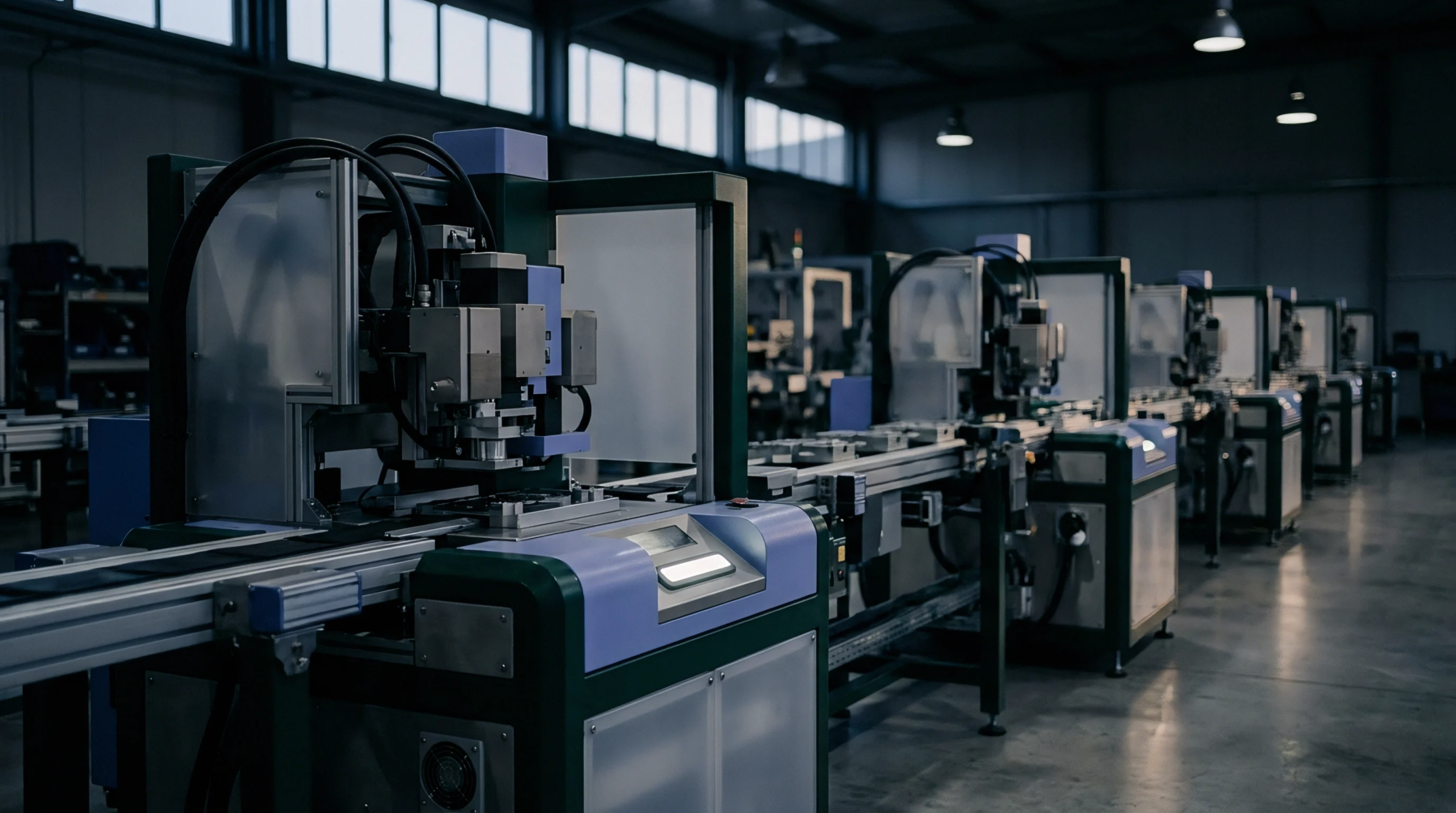
Rapid changes in output quantity depend on modular equipment and cross-trained operators. Achieving capacity flexibility requires that setup times remain low enough to prevent measurable downtime during transitions. A system without this trait suffers during market contractions.
System Scalability
Long term viability depends on the ability to grow without linear cost increases. High capacity flexibility ensures that small increments in demand do not trigger massive capital expenditure. When a firm can adjust its output by fifty percent without buying new machines, it possesses a competitive advantage in volatile markets.
This capability defines the financial stability of a manufacturing firm.